Master of Arts in TESOL (MA)
June 1, 2023 2026-10-05 5:20Master of Arts in TESOL (MA)
Master of Arts (MA) in TESOL
Build the global teaching skills to succeed in English language education. Designed for current and aspiring teachers of children or adults, this online master’s, created by Dr. David Nunan and taught by leading scholars such as Dr. Rod Ellis, prepares you to design curriculum, conduct original classroom research and teach English to speakers of other languages with confidence.
Online
Live weekly webcam classes
About 2.5 years
While working full-time
44 credits
9 courses + capstone
2 × 4 days
Residential sessions
DEAC
Accredited
Why Choose the MA in TESOL
Four reasons English teachers around the world choose Anaheim University for their master’s.
Pioneers in Online TESOL
This MA pioneered the field in the mid-1990s as the world’s first TESOL program taught online in real time.
Taught by Former TESOL Presidents
Dr. David Nunan, Dr. MaryAnn Christison and Dr. Andy Curtis have each led TESOL International Association.
Live, Not Self-Paced
Weekly 90-minute webcam classes: an hour led by your professor, then 30 minutes of student-led discussion.
Keep Your Career
Study from anywhere. Residencies run Thursday–Sunday or Saturday–Tuesday to limit time away from work.
Program Learning Outcomes
What you will be able to do by the time you complete the program.
Knowledge
- Articulate current theoretical trends and issues in applied linguistics and language pedagogy
- Describe current research issues and summarize significant findings in the field
- Analyze first and second language samples using phonological, lexical, morphosyntactic and discourse tools
Teaching Practice
- Design curriculum modules, lesson plans, materials and assessment tools for a range of learner needs
- Evaluate and critique syllabi, curricula and teaching materials
Research
- Carry out a detailed literature review using print and online resources
- Design, implement and evaluate two original studies of language acquisition or use
Professional Growth & Technology
- Plan and pursue your own ongoing professional development
- Evaluate and apply emerging technologies, including AI, in instruction, assessment and research
How You'll Learn
Each nine-week course combines a weekly live class, an ongoing discussion forum and two assignments.
Your Capstone
Finish your master’s with original research of your own, as a Research Portfolio or a Thesis.
01
STAGE 1
Coursework
Nine required courses, from second language acquisition and grammar to curriculum development and research methods.
A
CAPSTONE OPTION A
Research Portfolio
Revise and submit reports of two studies you carried out during your coursework (8 units, over two terms).
B
CAPSTONE OPTION B
Thesis
Design and carry out an original empirical study and present it in a substantial written thesis (8 units, over two terms).
Career Paths
Build a career in English language teaching, from the classroom to curriculum and leadership.
CLASSROOM TEACHING
Teach English Worldwide
Teach children or adults in ESL and EFL classrooms at home or abroad.
- ESL or EFL teacher
- Language school instructor
- University English language instructor
PROGRAM LEADERSHIP
Lead English Programs
Step into senior and coordinating roles in schools and language centers.
- Senior or lead teacher
- Academic coordinator
- Director of studies
CURRICULUM & MATERIALS
Shape What Is Taught
Design courses, materials and assessments that meet learners’ needs.
- Curriculum developer
- Materials writer
- Language assessment developer
TEACHER DEVELOPMENT
Train Teachers and Go Further
Support other teachers’ growth or continue to doctoral study.
- Teacher trainer
- Professional development lead
- Doctoral study in TESOL
Meet Our Faculty
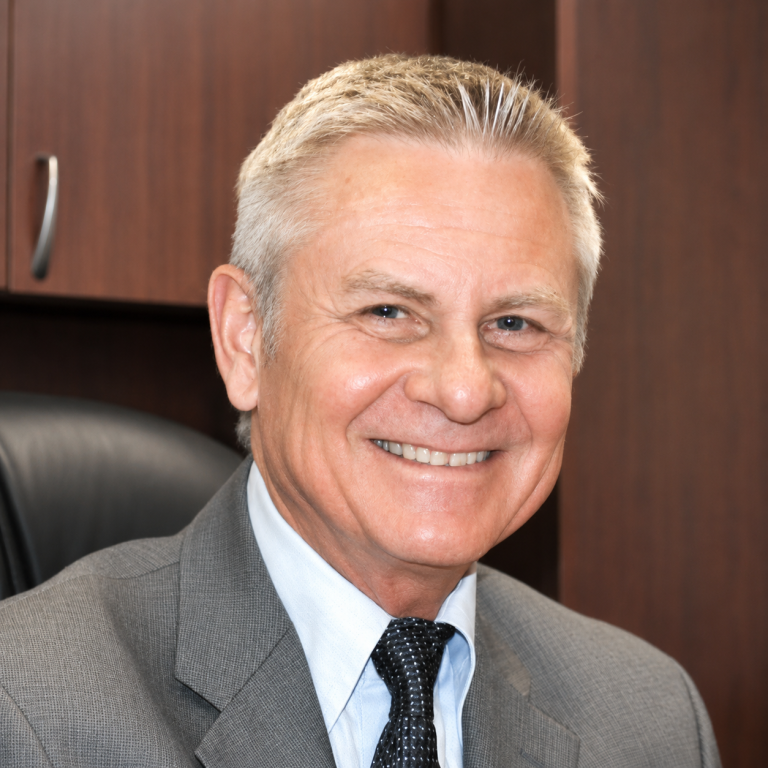
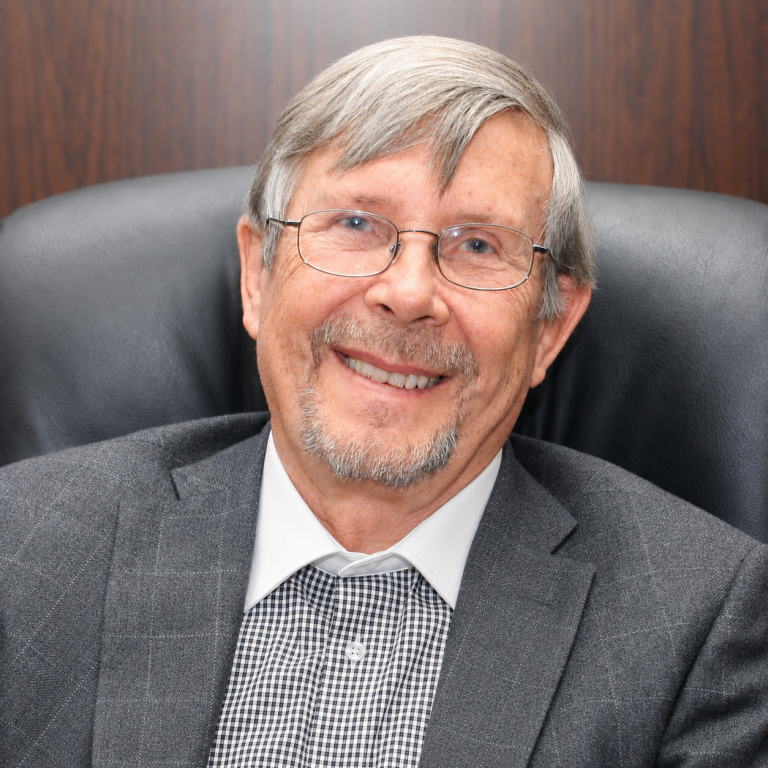
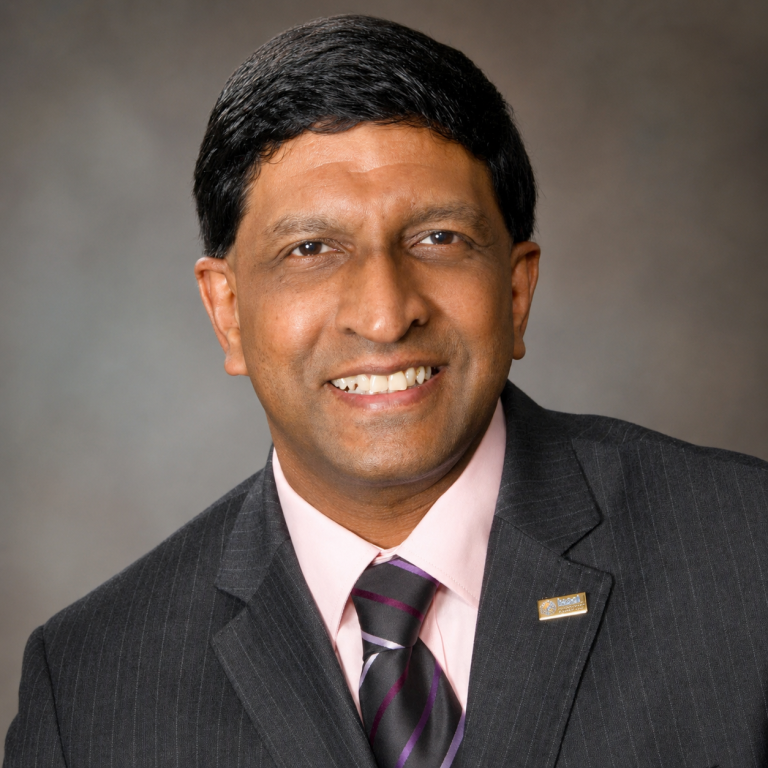
Learn from experienced academics and professionals who bring subject expertise, research, and real-world perspective into the classroom.
David Nunan, Ph.D.
Director of the David Nunan TESOL Institute and designer of Anaheim University’s MA in TESOL. Former President of TESOL International Association and internationally recognized authority on language teaching and curriculum development.
Rod Ellis, Ph.D.
Vice President for Academic Affairs and designer of Anaheim University’s Ed.D. in TESOL. Internationally renowned applied linguist and recipient of the Duke of Edinburgh Prize.
Andy Curtis, Ph.D.
TESOL Professor and former President of TESOL International Association. Earned his Ph.D. in International Education from the University of York and has presented to language educators in more than 100 countries.
Dr MaryAnn Christison
TESOL Professor and former President of TESOL International Association. Internationally recognized teacher educator, author, and specialist in language teacher development.
Ready to Start Your MA in TESOL?
Speak with an advisor about your teaching goals and experience, or start your application today.
MA in TESOL Curriculum
The Master of Arts in Teaching English to Speakers of Other Languages (MA in TESOL) combines nine courses with a research portfolio or thesis for a total of 44 units. Each course is nine weeks long and carries four units.
Coursework moves from the foundations of second language teaching and learning, through grammar, discourse and acquisition, into classroom research, evaluation and curriculum development. The program then culminates in a capstone — either a research portfolio built from studies completed during the degree, or an original piece of empirical research written up as a thesis.
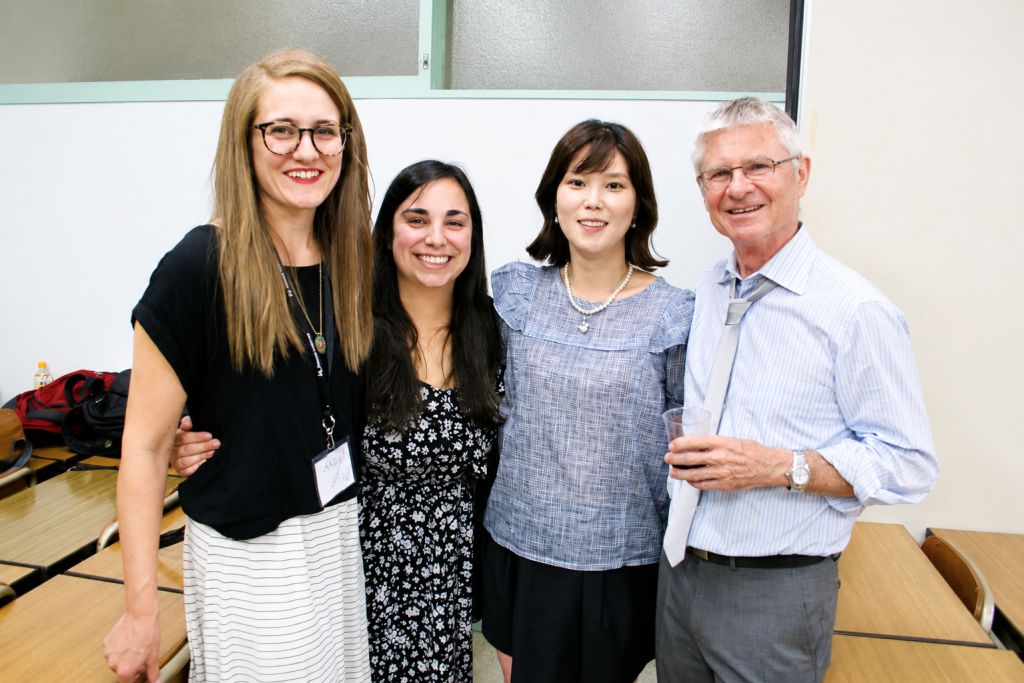
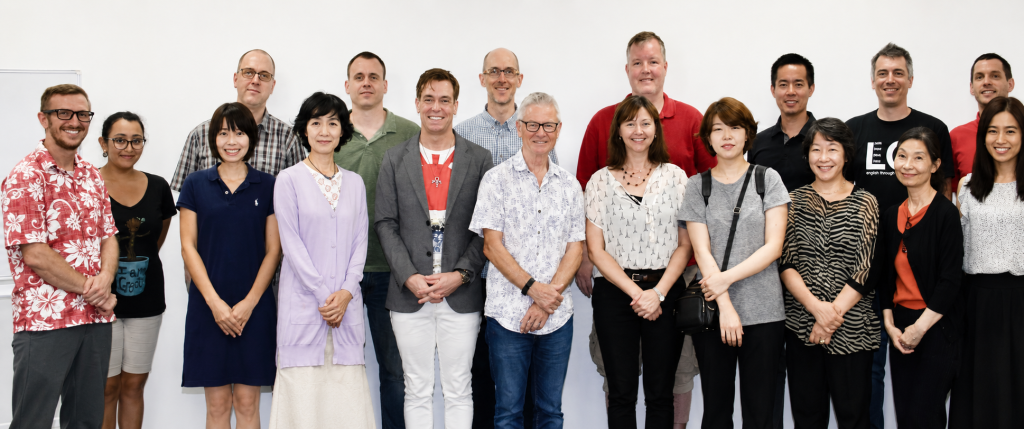
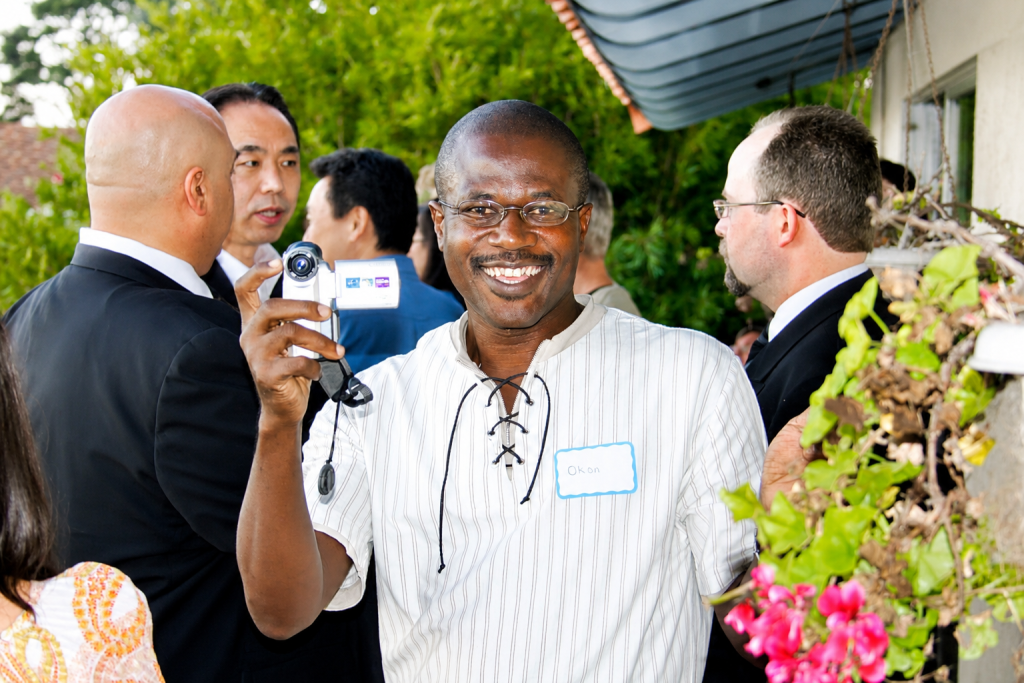
MA TESOL students with Senior TESOL Professor Dr. David Nunan at TESOL residential session in Tokyo, Japan
Every course is nine weeks long and carries four units; a new course begins every ten weeks. Attendance at two four-day residential seminars is a requirement for graduation; the 44 units above are the nine courses plus the capstone.
Coursework and Capstone
Nine core courses, then a choice of capstone. All nine are required — the program carries no electives. Open any course to read its full description.
Core Coursework
The nine taught courses, each nine weeks long and worth four units, spanning applied linguistics, language teaching, professional development and research methods.
Over the last twenty-five years, there have been major changes to the theory and practice of second language teaching and learning. These changes have been driven by changes in educational theory, changes in the way we think about language and learning, and the development of an active research agenda which has provided important insights and ideas for classroom practitioners.
The purpose of this introductory course is to provide an overview of the field of second language teaching and learning, to identify major trends and issues, and to show where they have come from, to illustrate, in practical ways, how these emerging ideas can be incorporated into the students’ own teaching practice, and to provide students with the basic skills and knowledge that will enable them to benefit fully from the rest of the course.
This course introduces students to key grammatical terms and concepts, as well as to techniques and procedures for describing and analyzing texts from a grammatical perspective. It also introduces practical techniques for teaching grammar.
The focus of the course will be on techniques for teaching grammar from a functional perspective. This approach shows language learners how to use the grammar that they are learning to communicate effectively. Students will be involved in collecting samples of spoken and written discourse, and using these to develop classroom exercises.
This course is intended as an accessible introduction to the key concepts of discourse and discourse analysis. It also introduces techniques for teaching discourse in the classroom. Topics covered include the nature of spoken and written discourse, cohesion and coherence, speech act theory, rhetorical analysis, discourse and syntax, discourse in the classroom.
This is an introductory course in second language acquisition. Topics covered in the course include the scope of SLA research, the history and development of SLA research, interlanguage development, the linguistic environment for SLA, learner variables, instructed second language acquisition, and applications of SLA to pedagogy.
This course focuses on central issues and concerns relating to the effective management of teaching and learning processes in second and foreign language classrooms. In this course management does not mean the creation of budgets and the creation of time lines, but the creation of a positive pedagogical environment which facilitates learning. The focus of the course is on the professional decisions that teachers must make in order to ensure that learning takes place effectively. Content will include lesson planning; teacher talk, including the effective use of questions, the provision of explanations and the use of feedback; classroom dynamics; instructional groups, small group work, dealing with large classes, one-to-one teaching, and learner-teacher roles; affective issues in the language classroom; and classroom monitoring and evaluation.
This course is intended as an accessible introduction to the field of second language classroom research. It covers both methodological and substantive issues. At the end of the course, you should have a good idea of the questions and issues that have been investigated in language classroom, and how they have been investigated. You should also have developed practical skills for investigating your own classrooms.
The aim of this course is to introduce students to classroom-based evaluation. This is a critically important area for all those involved in curriculum development, program management, and, in fact, any area of educational leadership. The overall goal of the courses is to give students the skills in the design and evaluation of a program of the student’s choice.
This course is intended as an introduction to program planning, implementation and evaluation for second and foreign language education. All aspects of the curriculum process are explored including situation analysis, needs analysis, goal and objective setting, syllabus design, materials development and adaptation, teaching and teacher support, and evaluation.
The aim of this course is to introduce students to research issues and methods in language acquisition and use, and to familiarize them with recent research in the field. The overall goal of the course is a practical one, that is, to equip students to design, implement and evaluate their own research project.
Capstone
Students choose one of two routes to finish the degree. Both carry eight units and both are built on research done during the program.
A number of courses in the MA TESOL provide students with an opportunity to conduct a small scale research project and write a report. For the Research Portfolio you will be required to submit reports of TWO such studies. You will need to revise the reports in the light of the feedback that you were given on your original reports.
Students will have the choice of culminating their program with either a thesis option or research portfolio option. The thesis option provides students with an opportunity to identify an issue or problem arising out of their prior coursework or their own professional experience. They then design and carry out an original piece of empirical research, and present the results in a substantial piece of writing. Thesis students are required to complete the Collaborative Institutional Training Initiative (CITI) Social-Behavioral-Educational (SBE) Foundations certificate, which is a web-based human research protection education program.
Program Requirements
Key requirements students complete as they progress through the degree and to graduation.
Attendance at two four-day residential seminars is a requirement for graduation from the MA in TESOL program.
Students must maintain a 3.0 grade point average (GPA) throughout the MA in order to graduate.
Thesis students are required to complete the Collaborative Institutional Training Initiative (CITI) Social-Behavioral-Educational (SBE) Foundations certificate, which is a web-based human research protection education program. It is not required of students who take the research portfolio route.
The MA in TESOL degree program will take around two and a half years to complete. The maximum time allotted to complete the program is 3 years from the date of matriculation.
2026 Term Calendar
The schedule is set each year and usually announced in the fall. Plan ahead to take each required course when it is offered.
| Term | Dates | Courses offered |
|---|---|---|
| Term 1 | January – March 2026 | TBACore course to be announced EDU 610Thesis |
| Term 2 | March – May 2026 | TBACore course to be announced EDU 610Thesis |
| Term 3 | May – July 2026 | TBACore course to be announced EDU 610Thesis |
| Term 4 | July – September 2026 | TBACore course to be announced EDU 610Thesis |
| Term 5NEXT | October 7 – December 2026 | TBACore course to be announced EDU 610Thesis |
Residential Sessions
Two four-day sessions where you learn from experts in the field, discuss trends in TESOL and professional development, and meet classmates face to face.
- Required
- 2 sessions during the program
- Length
- 4 days each
- Days
- Thursday–Sunday or Saturday–Tuesday, around a weekend
- Held
- Once a year, in California or around the world
- Past locations
- Anaheim, Fullerton, Irvine, San Diego, Honolulu, Seoul, Tokyo and Bogotá
- Session fee
- $1,500 per session
- Accommodation
- About $1,000 per session (estimated); travel not included
Plan Your Studies
A few rules that help you finish on time.
COURSE ORDER
Take Courses When Offered
Enroll each time a course you need for your program is offered, so you can finish on schedule.
GRADES
Keep a 3.0 GPA
You need a 3.0 GPA throughout the MA to graduate. Falling below 3.0 places you on academic probation.
CAPSTONE
Stay Enrolled to the End
Students completing a thesis stay enrolled each term until all requirements are approved.
TIME LIMIT
Up to Three Years
Most students finish in about two and a half years. Extensions beyond three years need approval and carry a fee of $2,000 per term.
Ready to Start Your MA in TESOL?
Speak with an advisor or start your application today.
MA in TESOL Tuition & Fees
Tuition for the MA in TESOL is $2,000 per course, with a $200 records fee per term. The estimated total program cost is $30,855 for the Research Portfolio track and $33,555 for the Thesis track. These estimates include required tuition and fees, two residential session fees, estimated accommodation, textbooks, and a research reserve fund.
Students may pay tuition course by course and can also inquire about a non-interest-bearing monthly payment plan. The estimated totals assume completion within the standard 11-term program schedule and successful completion of each required course on the first attempt; repeated courses or additional enrollment may increase the final cost.
| Fee | Amount |
|---|---|
| Application fee non-refundable | $75 |
| Registration fee non-refundable | $100 |
| STRF fee (California residents only) non-refundable | $0 |
| Course fees | |
| Tuition — $500 per credit × 4 credits | $2,000 / course |
| Records fee | $200 / term |
| Estimated textbook costs | $380 |
| Residential session fees | |
| Residential fee — 2 sessions × $1,500 (room & board not included) | $3,000 |
| Estimated accommodation fees | $1,600 |
| Other fees | |
| Research reserve fund | $1,500 |
| Thesis fee — thesis track only | $2,700 |
| Extension fee (per additional term) | $2,000 |
| Transfer credit fee optional | $75 / course |
| End-of-program fees | |
| Thesis binding optional | $450 |
| Original transcript | No cost |
| Each additional transcript copy optional | $25 |
| Diploma & diploma cover | No cost |
| Replacement diploma optional | $200 |
| Replacement diploma cover optional | $100 |
| Official completion letter optional | $35 |
| Research portfolio track total | $30,855 |
| Thesis track total | $33,555 |
Program Cost & Additional Enrollment
The estimated total program cost shown above assumes successful completion of all required courses on the first attempt and completion of all program requirements within the standard program schedule. Students who repeat a credit-bearing course will be required to pay additional tuition. Students who require enrollment beyond the standard program schedule to complete a thesis, dissertation, or other final academic requirement will be required to pay an Extension Fee and records fee for each additional term of enrollment.
The Extension Fee applies when the student must remain enrolled to continue work toward completion but does not earn additional academic credits during the additional term. It is separate from tuition and covers continued academic supervision, advising, administrative support, and access to University resources. The Extension Fee for each additional term equals the tuition that would otherwise have been charged for a standard term under the rate in effect when the student originally entered the program, before any Tuition Relief, scholarship, or other discount, unless the University expressly approves a reduced fee in writing. Any Tuition Relief or discount reflected in the estimated cost applies only to the terms in the standard schedule and does not apply to repeated courses or additional thesis terms.
Residential Session Costs
Attendance at two four-day residential seminars is a requirement for graduation from the MA in TESOL program; tuition for the seminars is included in the total program price. A discounted on-campus housing option is offered for the residential session; the cost varies by location, and students may opt for alternate accommodations. The cost of travel varies depending on distance and mode of transportation. Anaheim University does not provide visa services — for the four-day residential sessions, it is the student’s responsibility to ensure that proper visa procedures, if required, are taken care of.
Research Reserve Fund
Anaheim University provides access to library resources and services for all students enrolled directly through the University. Students in online graduate degree programs are also required to hold an additional reserve fund for the purchase of journals, research materials, software and other resources specific to their areas of study. The research reserve fund is $1,500 for master’s students and $2,000 for doctoral students, to be used over the duration of the program. Students are not required to spend the entire fund — only the amount necessary to carry out their research. The above itemizes all of the fees and charges for which the student is responsible; the refund policy is set out in the section on Policies & Procedures.
Textbooks
A student can plan on approximately $380 in textbook purchases during the program. A textbook list is available in the online resources of the student website. Real-time classes do not require specific materials beyond what is already supplied for the course. Students choosing the thesis track may also opt to have their thesis professionally bound for $450.
Student Tuition Recovery Fund (STRF)
The Student Tuition Recovery Fund (STRF) is administered by the California BPPE and applies only to California residents. The STRF fee is currently zero ($0) per one thousand dollars ($1,000) of institutional charges. The State of California established the STRF to relieve or mitigate economic loss suffered by a student in an educational program at a qualifying institution who is or was a California resident while enrolled, if the student enrolled, prepaid tuition, and suffered an economic loss. Unless relieved of the obligation to do so, you must pay the state-imposed assessment for the STRF, or it must be paid on your behalf, if you are a student in an educational program who is a California resident, or are enrolled in a residency program, and prepay all or part of your tuition. You are not eligible for protection from the STRF, and you are not required to pay the STRF assessment, if you are not a California resident or are not enrolled in a residency program.
Payment Terms
Each course is US$2,000.00 for tuition, excluding books, materials and other costs. Students must pay the required tuition fee prior to commencing their next course; the fee is not due until the student wishes to register for the next course. Tuition may be paid course by course by check, credit card (Visa, Mastercard, American Express or Discover), money order or bank transfer (the student is responsible for any transaction fees imposed by the institution). To inquire about non-interest-bearing monthly payment plan options, email [email protected].
MA in TESOL Admission Requirements
Admission to the MA in TESOL is open to applicants with a strong academic background who are ready for graduate study in language teaching. Applicants must hold a bachelor’s degree from an accredited institution, meet the minimum 3.0 GPA requirement, and provide the required academic and application materials. No entrance examination is required.
Review the admission requirements, application materials, English proficiency standards, transfer credit policy, and enrollment restrictions below. When you’re ready to apply, you can complete Anaheim University’s online application and submit the required supporting documents.
| Requirement | Detail |
|---|---|
| Application materials | |
| Application form | Required |
| Application fee non-refundable | $75 |
| One recent color photograph | Digital is okay |
| Government-issued photo ID | Scanned copy required |
| Résumé | Required |
| Brief statement | 300–400 words on why you chose AU, what you hope to gain, and how it helps your career |
| Academic requirements | |
| Earned bachelor’s degree | From an accredited institution recognized by the US Dept. of Education / CHEA, or the government of the awarding country |
| Minimum grade point average | 3.0 on a 4.0 scale (or equivalent) |
| Official transcripts | Undergraduate, sealed, sent from the awarding institution |
| English proficiency — non-native English speakers (one of) | |
| TOEFL | 530 PBT / 197 CBT / 71 iBT |
| IELTS | 6.5 |
| TOEIC | 800 |
| PTE Academic | 50 |
| Other qualifying options | See the full list below |
| Other | |
| Entrance examination | None required |
| Internet access | Computer with internet access required |
| Transfer credit optional | Up to 8 units (2 graduate classes); $75 per course reviewed |
| Prior experiential credit | Not accepted |
English Proficiency Requirements
The language of instruction at Anaheim University is exclusively English, and English language services are not provided. Non-native English speakers must provide original documentation of college-level proficiency by meeting one of the following minimum scores:
Proficiency may also be shown by a degree from an institution where English is the primary language of instruction; a transcript showing 30 semester hours taught in English with a “B” average, or a “B” or higher in an English composition class. Other accepted qualifications include BULATS Level 3 (60, accepted only for Cultura Inglesa in Brazil); ACT COMPASS ESL Placement Level 3; Eiken Pre-1; a CEFR B2 level assessed through recognized ESOL examinations, including the University of Cambridge; Duolingo English Test 100; Michigan MET 55, ECCE 650/LP, or ECPE 650/LP; or the College Board Accuplacer ESL series.
Transcripts not in English: if your institution does not routinely issue transcripts in English, original-language records must be submitted with official English translations issued by the university or a professional translation service (Accredited Language Services, Berlitz, Liaison Linguistics, Josef Silny & Associates, American Evaluation & Translation Services, or Education Evaluators International). Translations must be exact and complete versions of the original records.
Transfer Credit
Anaheim University will accept up to two graduate semester classes (8 units) awarded by another institution toward the MA in TESOL or the TESOL Graduate Diploma. You must clearly demonstrate the equivalency of each transfer course through relevant documents (syllabus, catalog, course outline) and justify its acceptance through a petition directed to the Dean; no course with a grade lower than “B” will be considered. There is a fee of $75 per course of credit transferred, and the overall program cost is adjusted for approved credit. All petitions must be submitted as part of your initial application. Credits awarded as part of another completed degree will not be accepted, and Anaheim University does not extend experiential credit to any student.
Enrollment Restrictions by State
Anaheim University currently does not accept students who reside in the following U.S. states and territories. If you reside in one of these locations, please contact Student Services at 714-772-3330 before applying.
How to Apply
- 1Submit your applicationComplete the Anaheim University admissions application. You may apply online or download the PDF application and submit it by email.
- 2Submit your supporting documentsProvide the required MA application materials listed above, including a recent passport-size color photograph, government-issued photo ID, current résumé, official undergraduate transcripts, a 300–400 word brief statement, and English-proficiency documentation if required. Documents may be uploaded with the online application or emailed to [email protected]. Scanned copies may be accepted to expedite processing while required originals are being sent.
- 3Pay the application feePay the $75 non-refundable application fee. Payment may be made by credit card, check or money order, or bank wire transfer. For payment instructions or assistance, contact [email protected].
- 4Send required original documentsAny required original application documents that are not submitted online should be sent by registered mail to:
Anaheim University
Office of Admissions, Room 110
1240 S. State College Blvd.
Anaheim, CA 92806-5150
USA - 5Application reviewOnce your application materials are received, Anaheim University will review your application. A receipt for the application fee will be provided, and if your application is incomplete, the University will contact you with instructions regarding any outstanding materials.
- 6Complete your enrollmentIf your application is approved, you will receive an acceptance notification and Enrollment Agreement. Complete and return the required enrollment documentation and follow the University’s instructions for payment, registration, and beginning your program.

Rod Ellis, Ph.D.
Vice President of Academic Affairs Doctor of Education in TESOL Program Designer Senior Professor: TESOL Dr. Rod Ellis is Vice President of Academic Affairs, Senior…
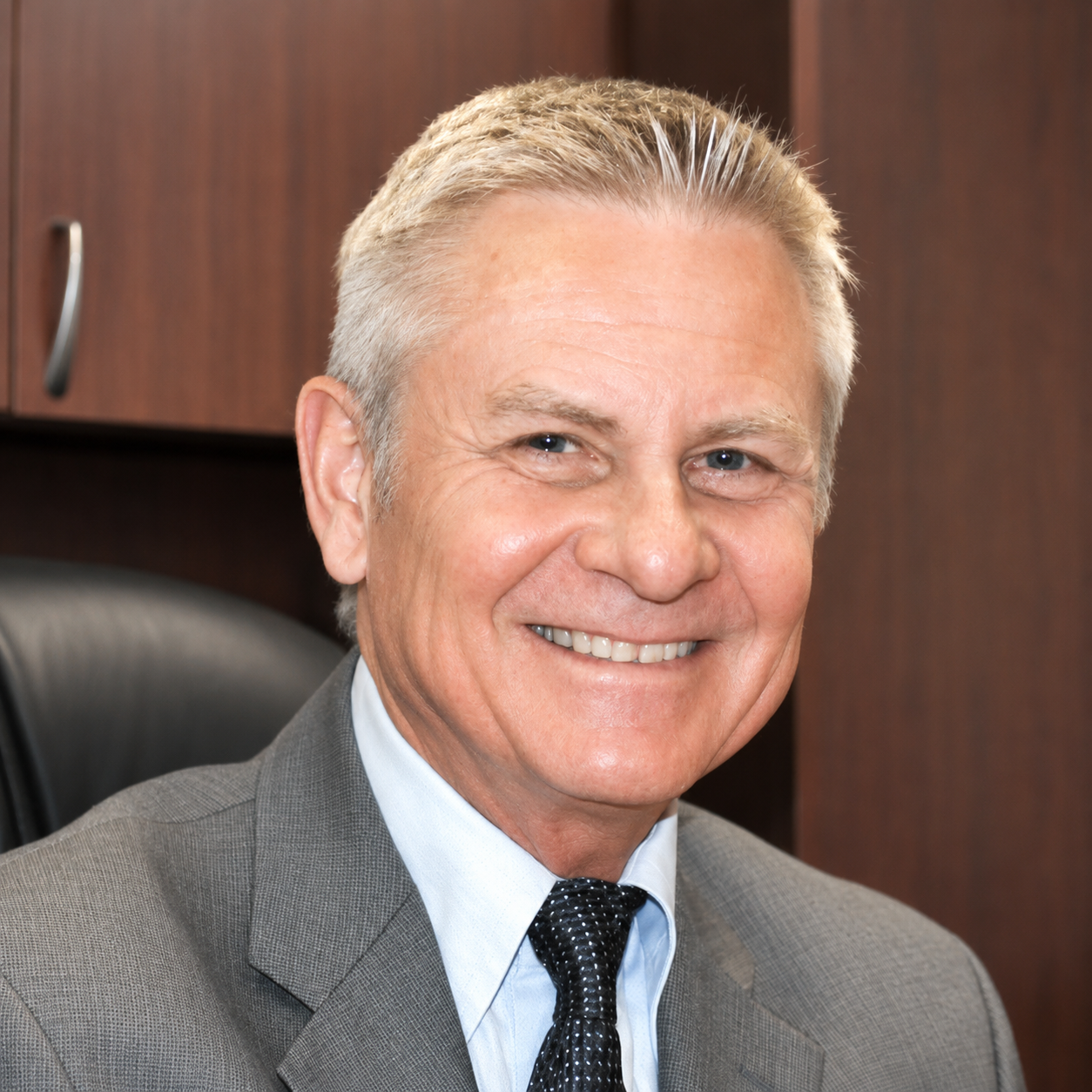
David Nunan, Ph.D
Master of Arts in TESOL Designer & David Nunan TESOL Institute Director Senior Professor: TESOL Dr. David Nunan is the Director of the Anaheim University…

Hayo Reinders, Ph.D.
Graduate School of Education Chair of Research Senior TESOL Professor, Graduate School of Education Dr. Hayo Reinders is Chair of Research and Senior TESOL Professor…

MaryAnn Christison, Ph.D.
Professor: TESOL Dr. MaryAnn Christison is a TESOL Professor in the Anaheim University Graduate School of Education. A past President of TESOL (1997-1998), MaryAnn Christison…
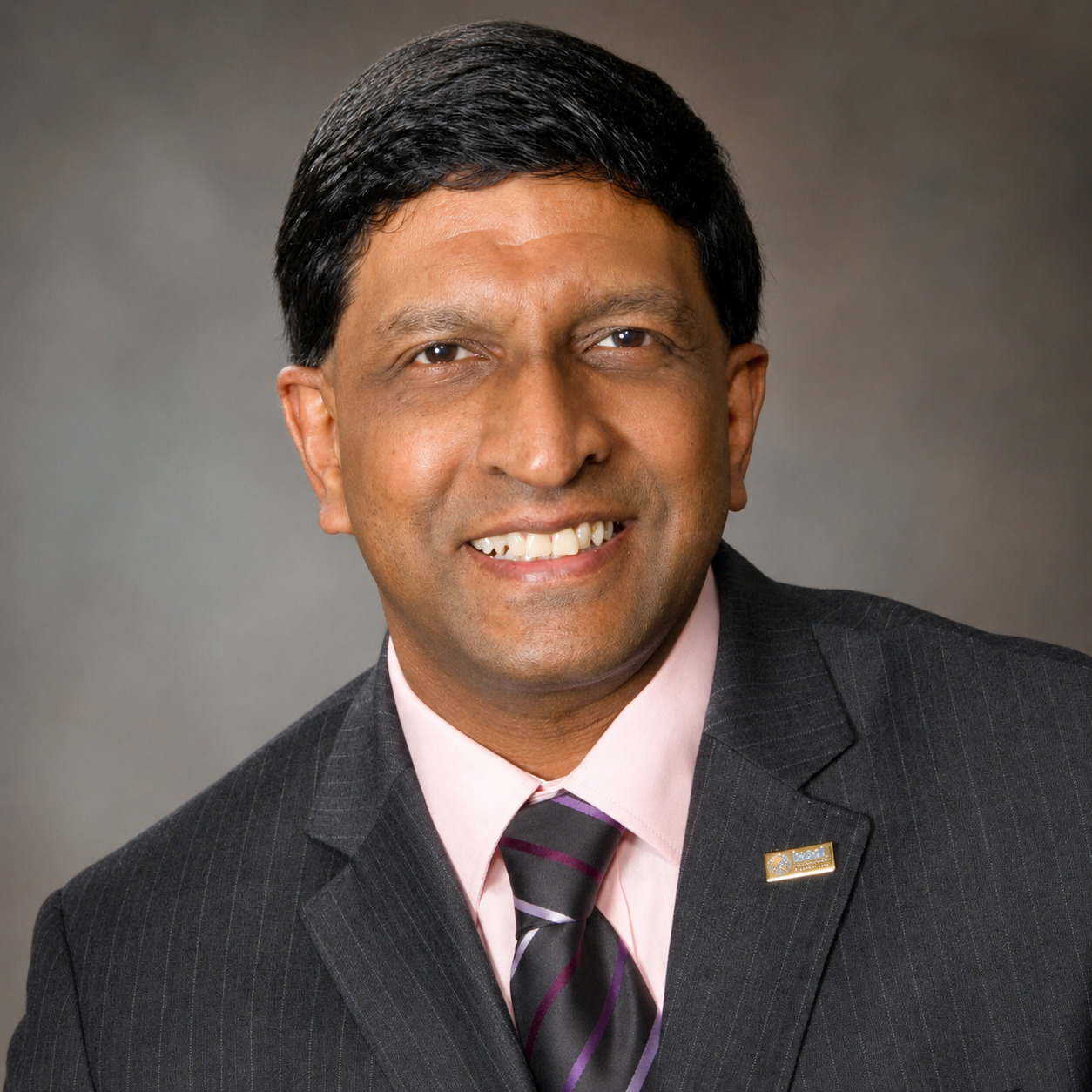
Andy Curtis, Ph.D.
Professor: TESOL Dr. Andy Curtis is a TESOL Professor in the Anaheim University Graduate School of Education. From 2015 to 2016, he served as the…
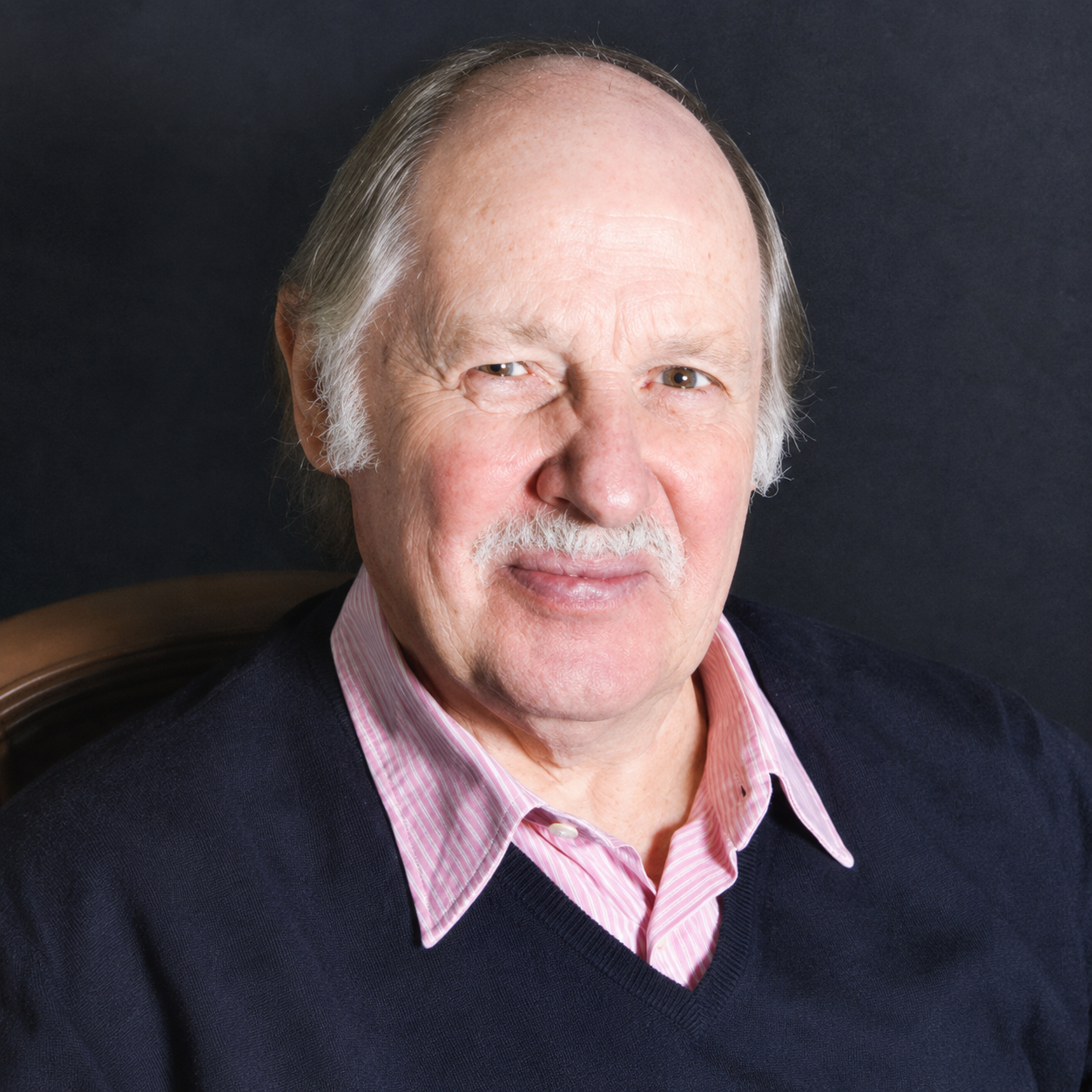
Brian Tomlinson, Ph.D.
Professor: TESOL Dr. Brian Tomlinson is a TESOL Professor in the Anaheim University Graduate School of Education. He is considered to be one of the…
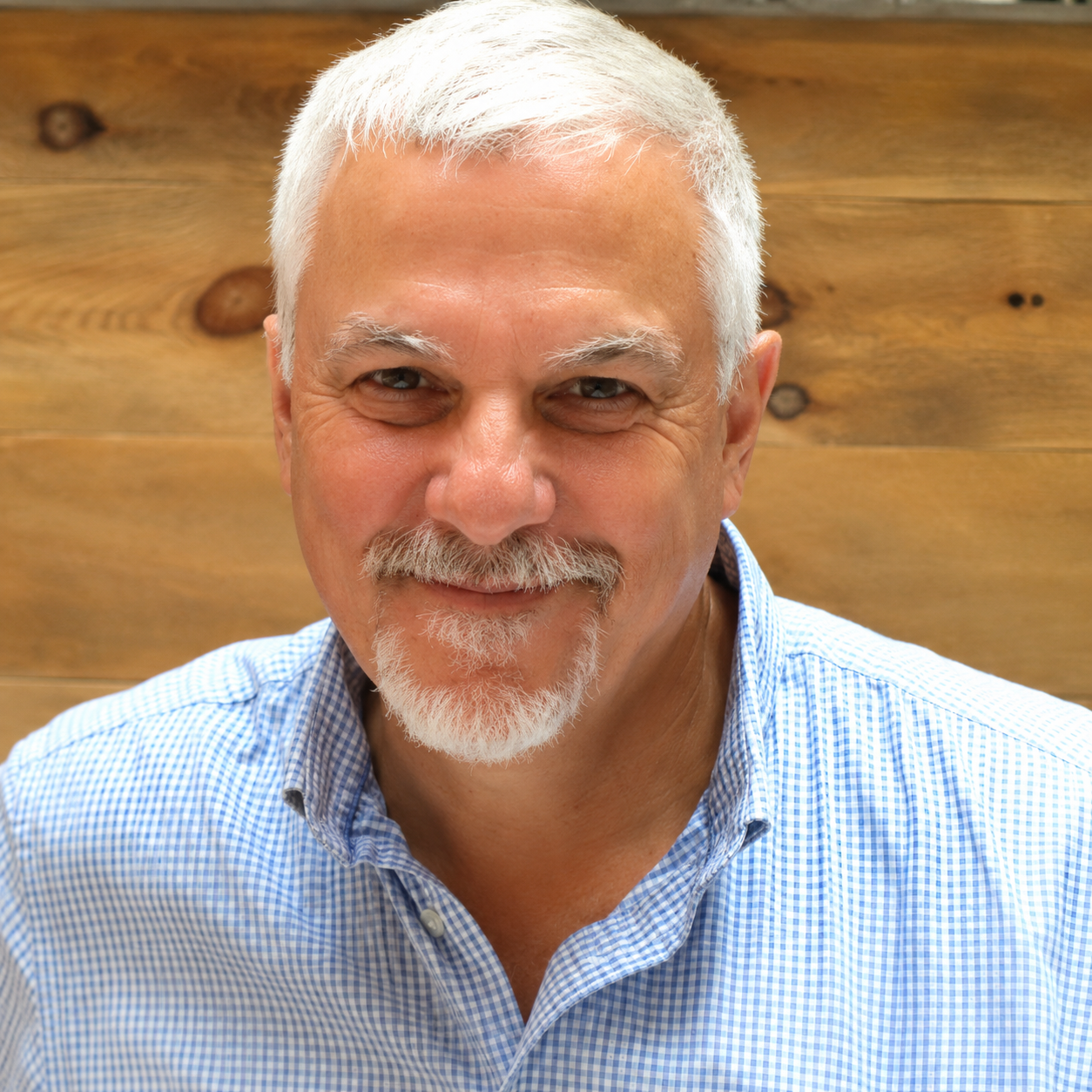
Ken Beatty, Ph.D.
Professor: TESOL Dr. Ken Beatty is a TESOL Professor in the Anaheim University Graduate School of Education. A specialist in the area of Computer Assisted…

Martha Cummings, Ph.D
Professor: TESOL Dr. Martha Cummings is a TESOL Professor at Anaheim University. She received her doctorate from Columbia University Teachers College. She has served on…
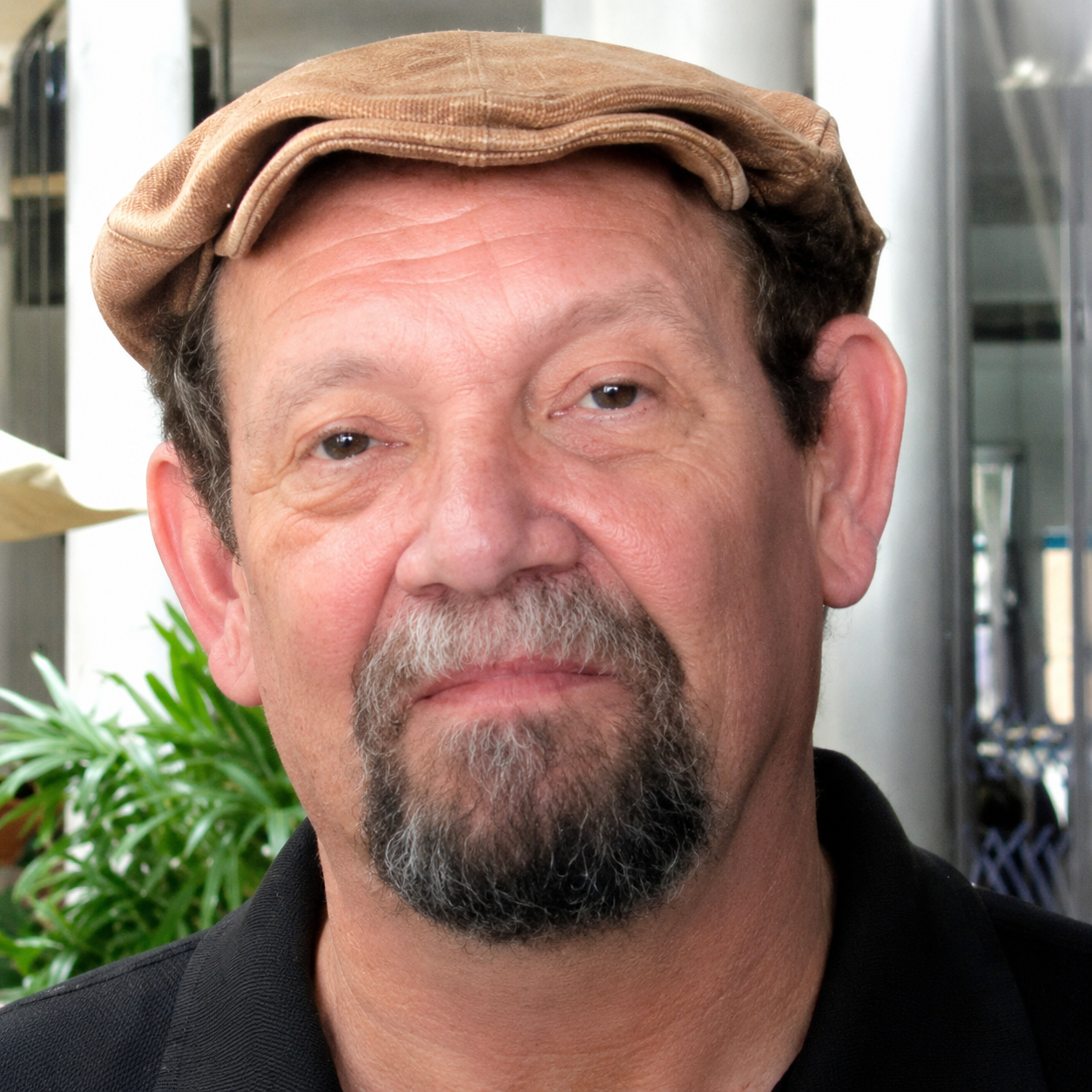
Thom Hudson, Ph.D.
Professor: TESOL Dr. Thom Hudson is a TESOL Professor in the Anaheim University Graduate School of Education. He received his BS degree in sociology from…
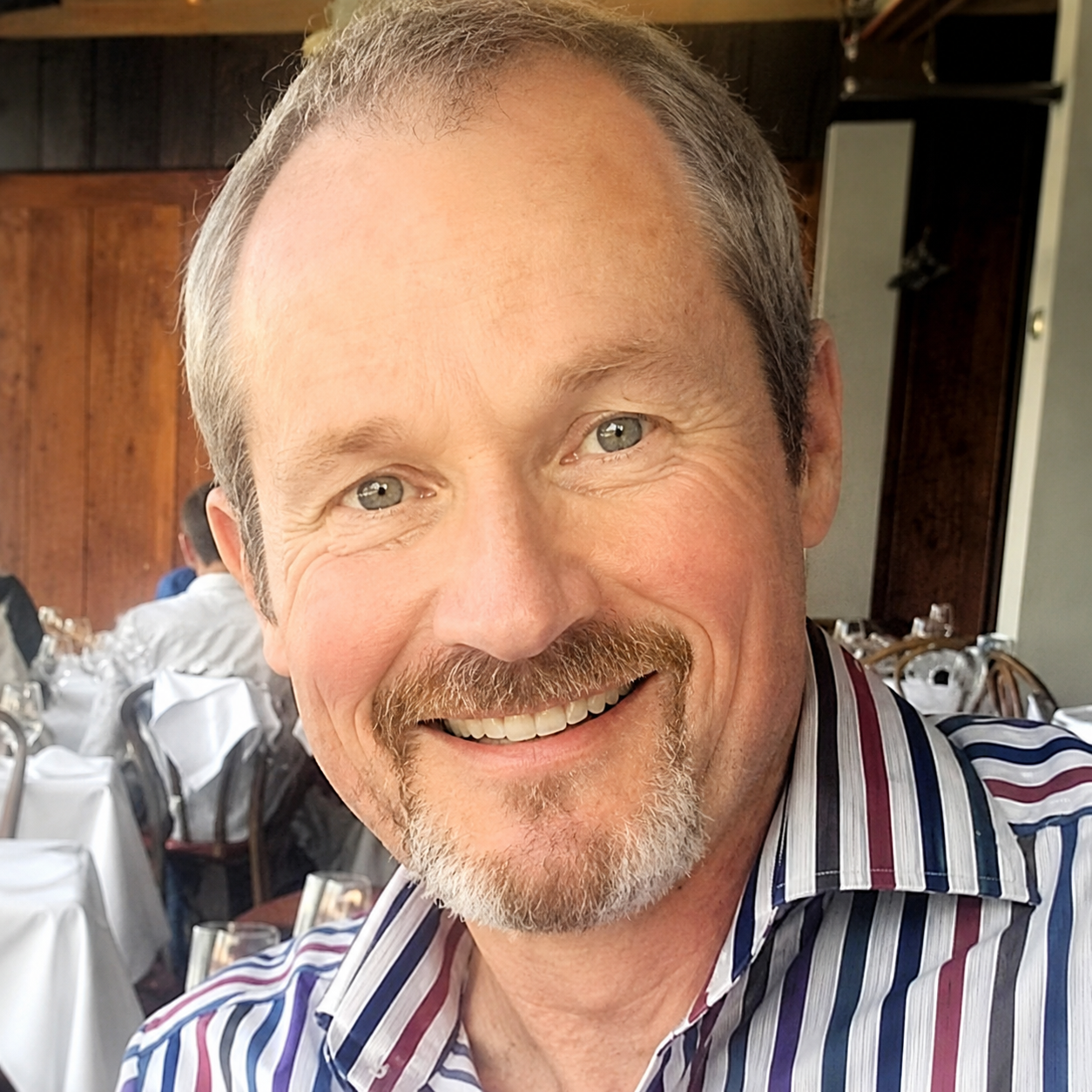
John Macalister, Ph.D.
Professor: TESOL John Macalister is a TESOL Professor at Anaheim University and Head of the School of Linguistics and Applied Language Studies at Victoria University…
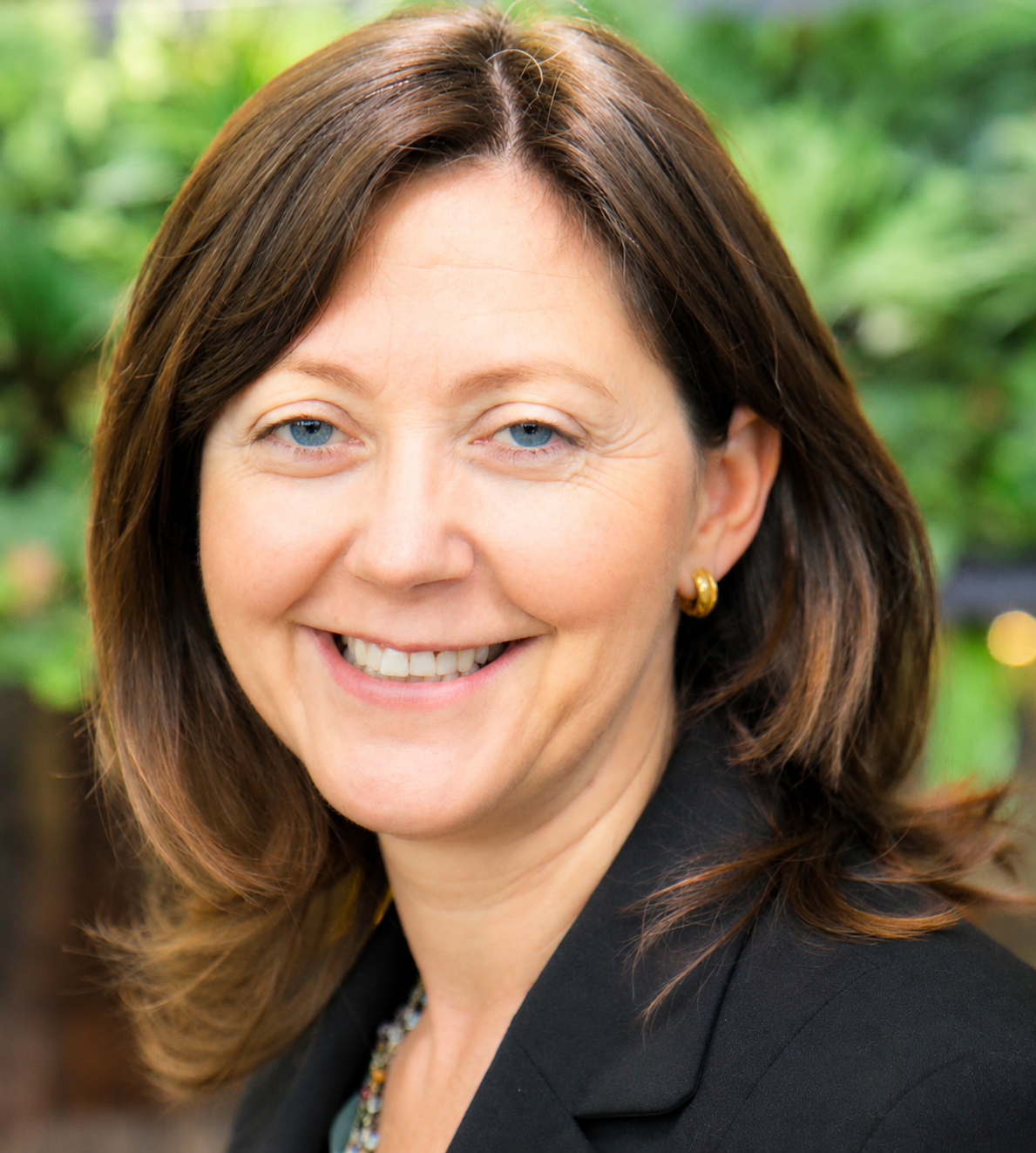
Jo Mynard, Ph.D
Professor: TESOL Dr. Jo Mynard is a Professor in the Anaheim University Graduate School of Education, Professor in the English Department, Director of the Self-Access…
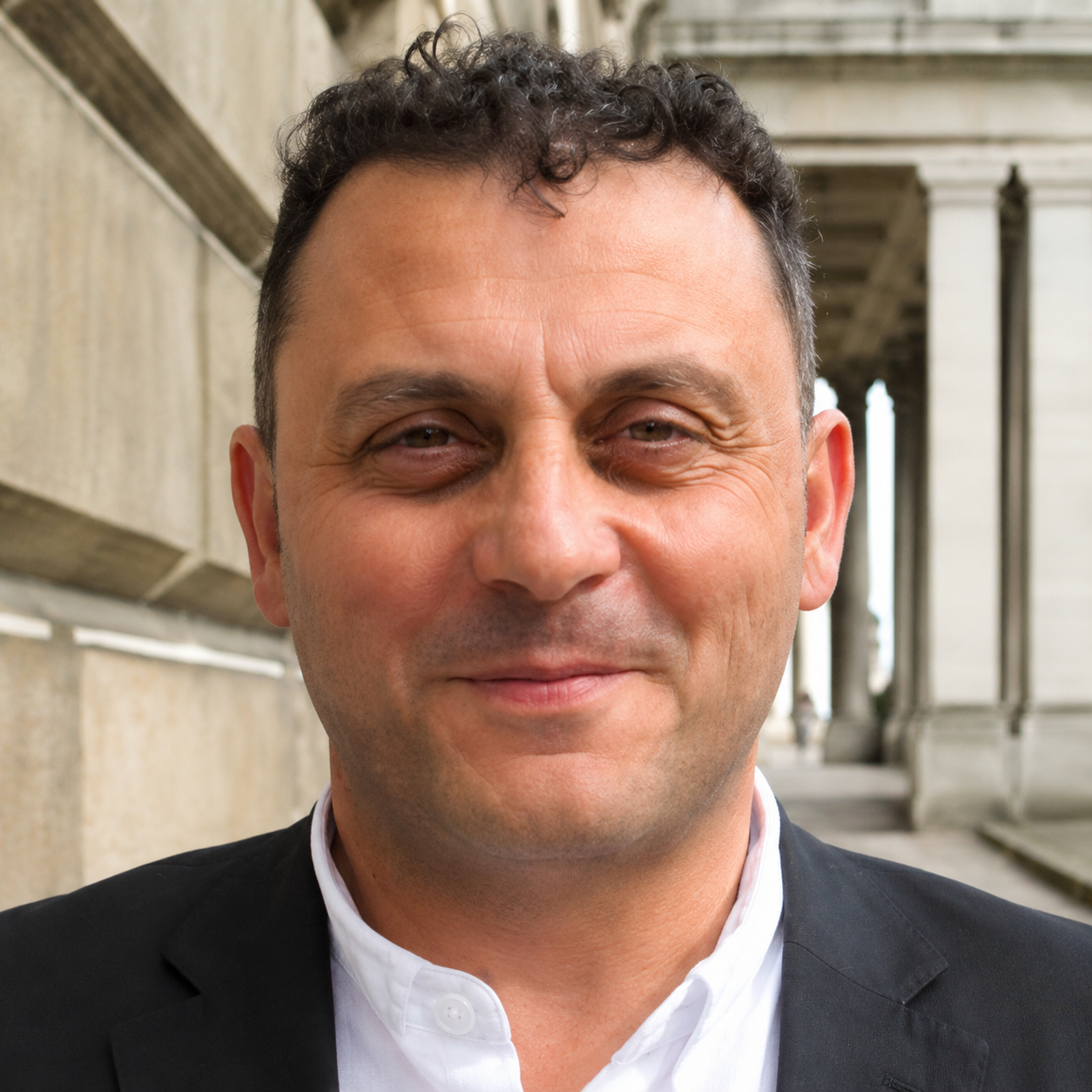
Alessandro Benati, Ph.D.
Professor: TESOL Alessandro Benati is a professor at University College Dublin (Ireland). He has held positions in several British and overseas institutions. He is known…
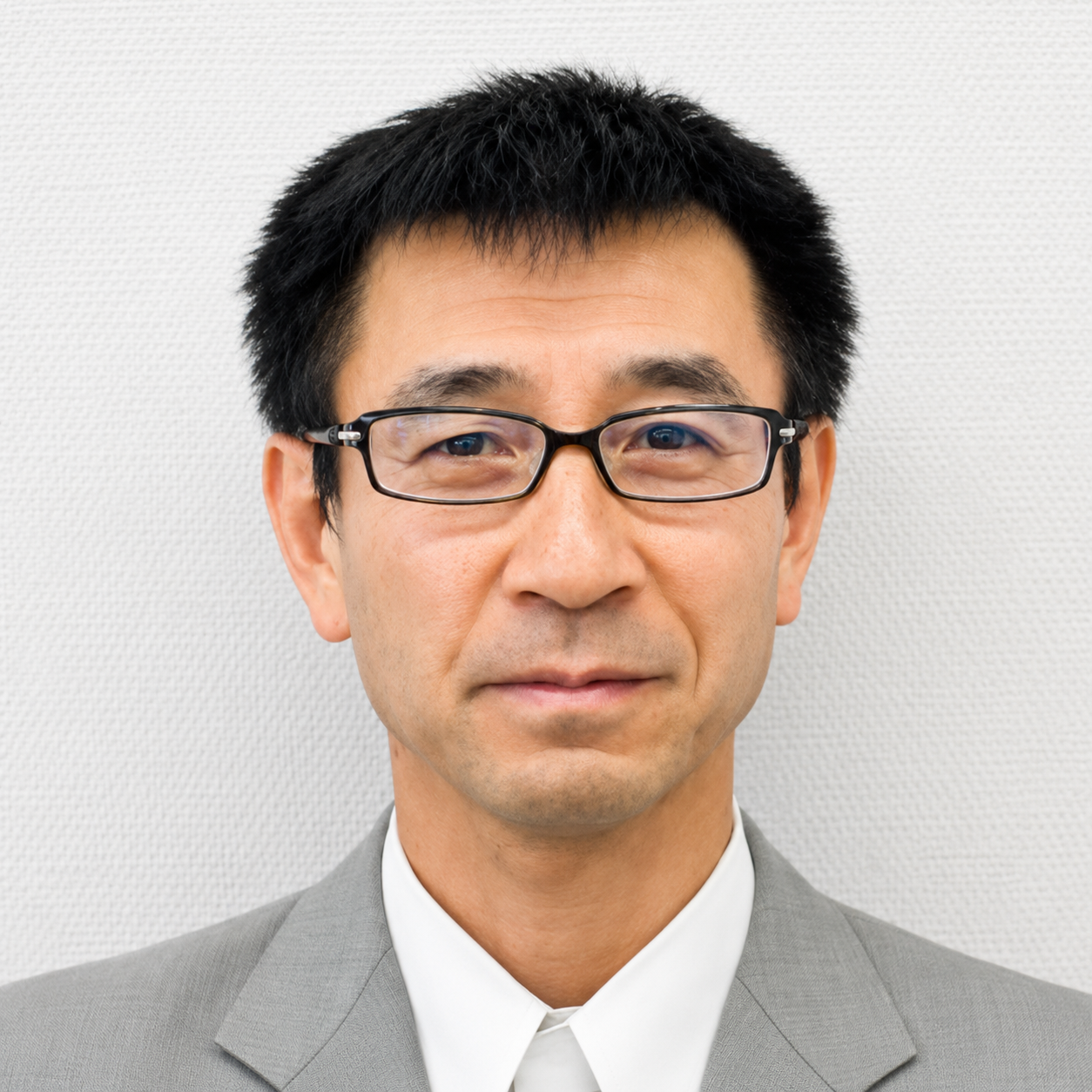
Nobuhiro Kamiya, Ph.D.
Professor: TESOL Dr. Nobuhiro Kamiya is a Professor in the Anaheim University Graduate School of Education and an internationally recognized specialist in second language acquisition…

Neal Snape, Ph.D.
Professor: TESOL Dr. Neal Snape is a Professor of TESOL in the Anaheim University Graduate School of Education and a Professor of Language and Linguistics…

Casey Keck, Ph.D.
Associate Professor: TESOL Dr. Casey Keck is a TESOL Associate Professor in the Anaheim University Graduate School of Education and Associate Professor of Linguistics and…

Talia Isaacs, Ph.D.
Associate Professor: TESOL Dr. Talia Isaacs is a TESOL Associate Professor in the Anaheim University Graduate School of Education. She holds a Ph.D. in Second…
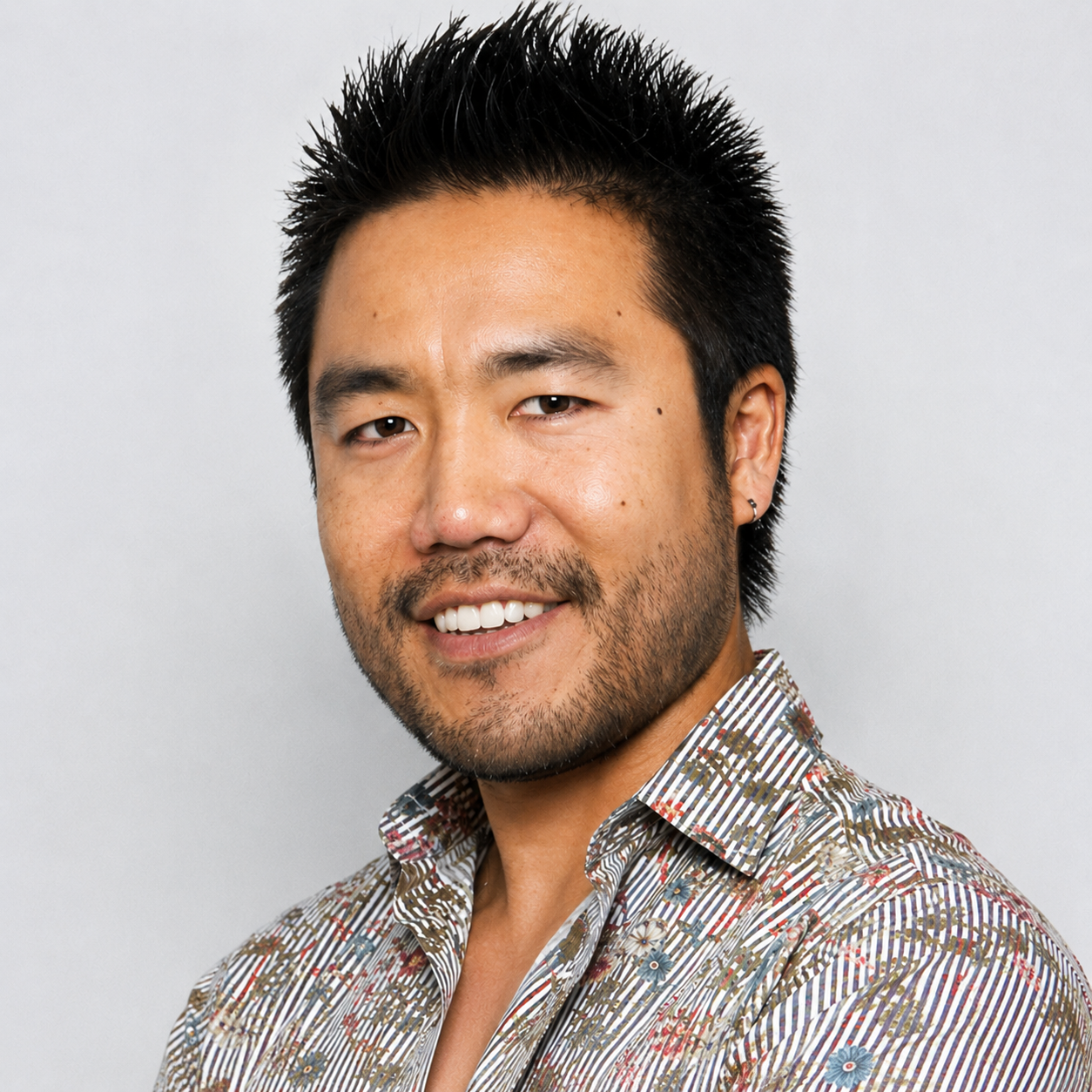
Masatoshi Sato, Ph.D.
Associate Professor: TESOL Dr. Masatoshi Sato is a TESOL Associate Professor in the Anaheim University Graduate School of Education. Dr. Sato earned his Ph.D. in…
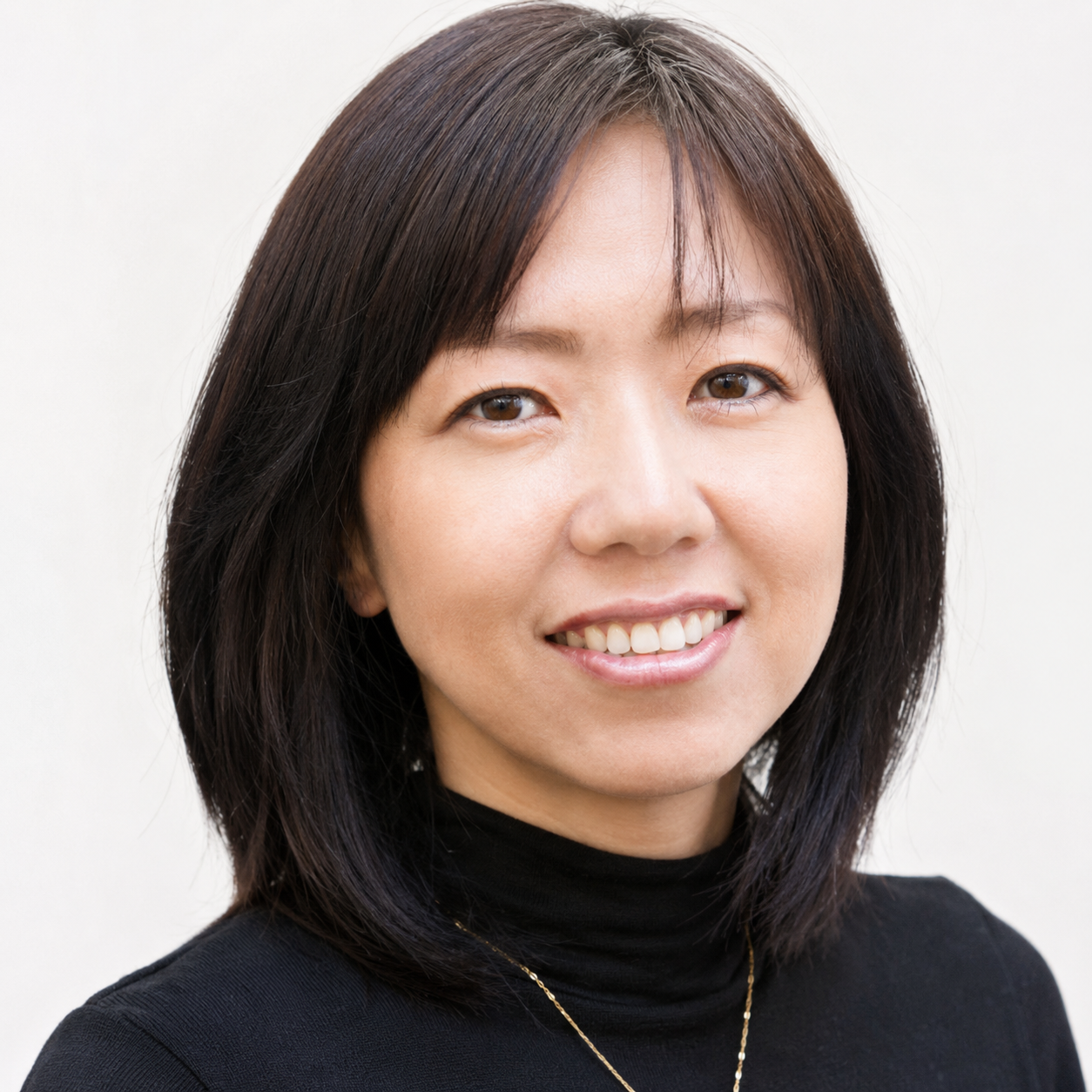
Natsuko Shintani, Ph.D.
Associate Professor: TESOL Dr. Natsuko Shintani is a TESOL Associate Professor in the Anaheim University Graduate School of Education. She obtained her Ph.D. from the…
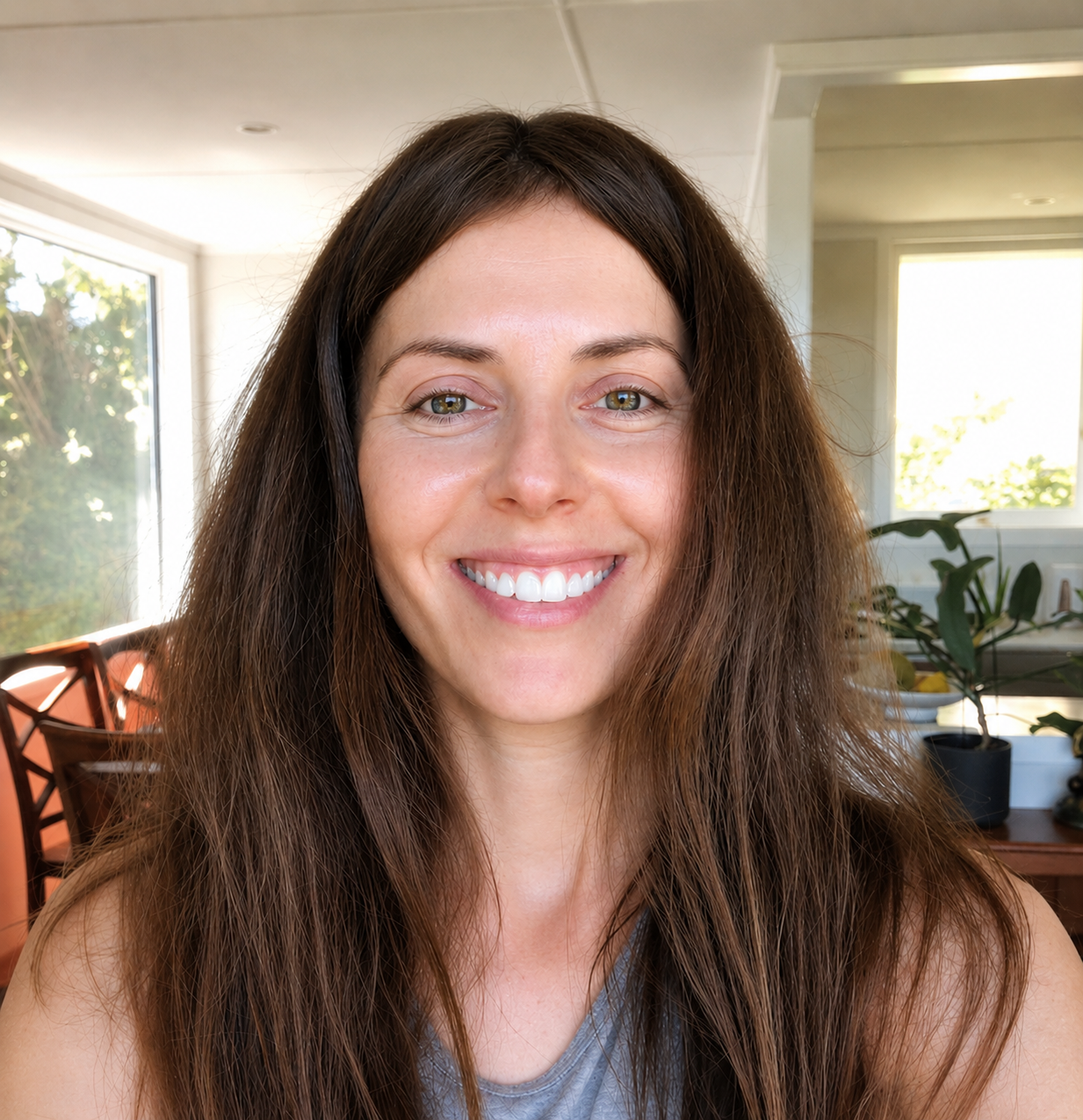
Anna Siyanova, Ph.D.
Associate Professor: TESOL Dr. Anna Siyanova is an Associate Professor in the Anaheim University Graduate School of Education and an internationally recognized scholar in applied…

Scott Aubrey, Ph.D.
Assistant Professor: TESOL Dr. Scott Aubrey is a TESOL Assistant Professor in the Anaheim University Graduate School of Education. Scott Aubrey received his Ph.D. in…
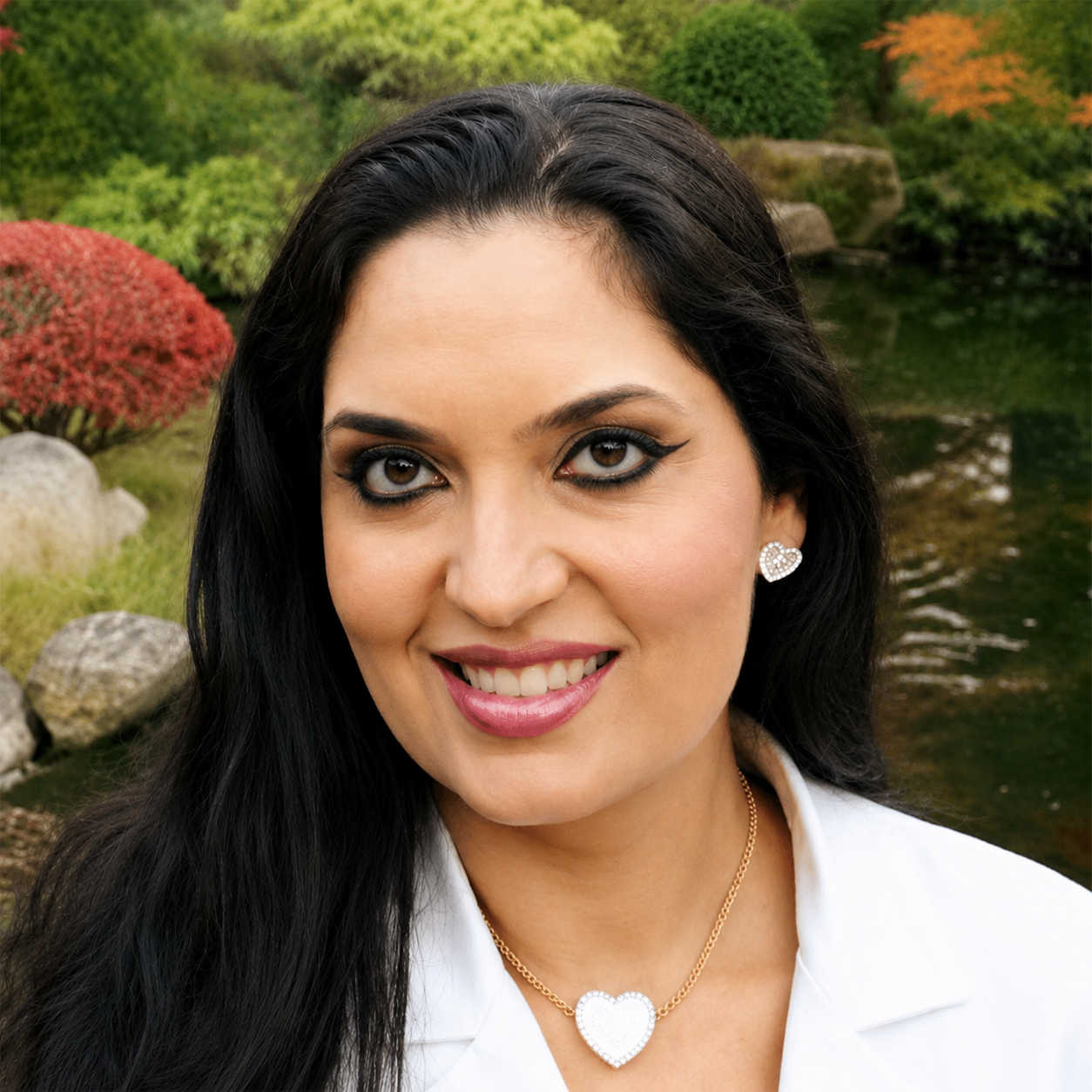
Vivian Bussinguer-Khavari, Ph.D.
Assistant Professor: TESOL Dr. Vivian Bussinguer-Khavari is a TESOL Assistant Professor in the Anaheim University Graduate School of Education. Originally from Brasilia, Brazil, she was…
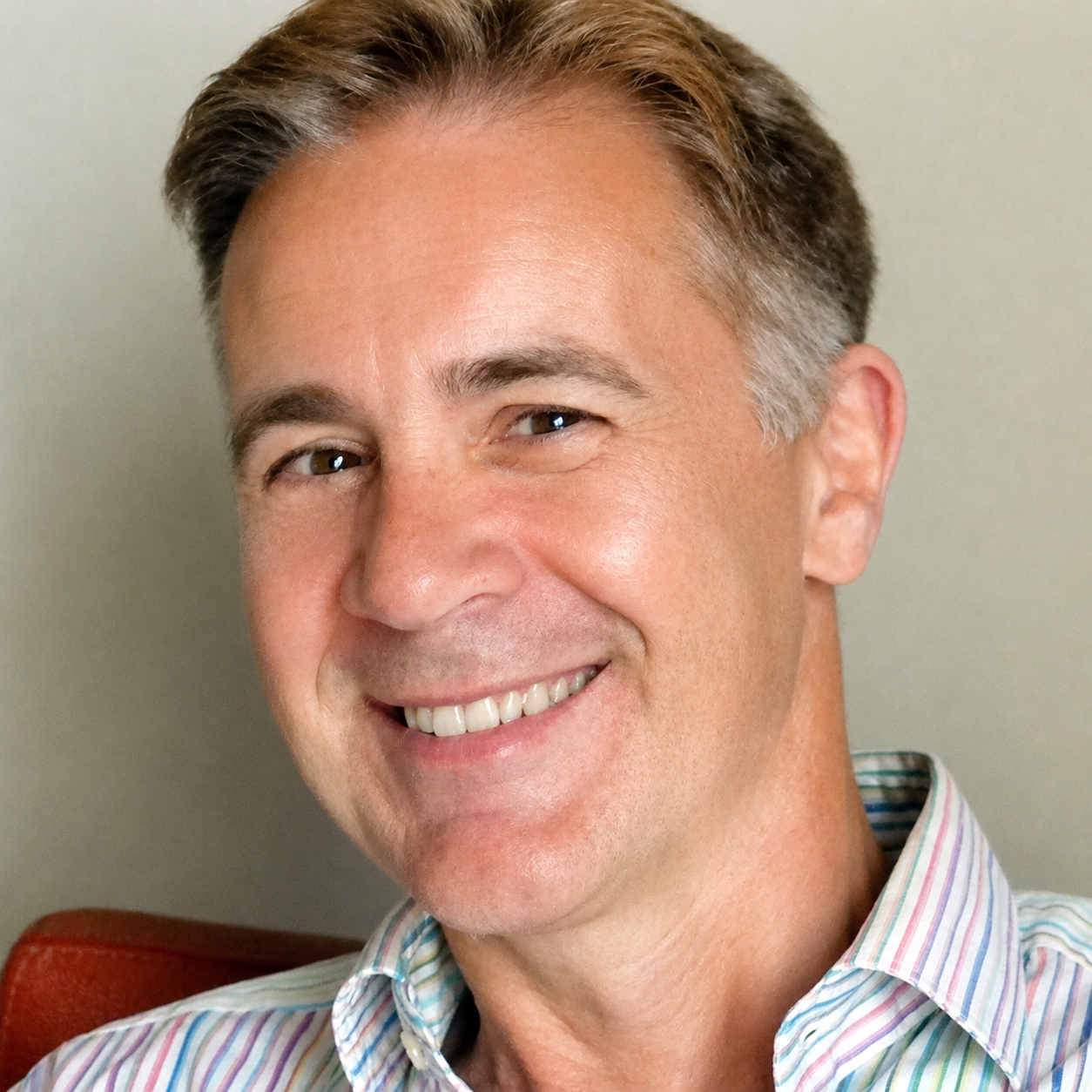
Stephen Ryan, Ph.D.
Assistant Professor: TESOL Dr. Stephen Ryan is a TESOL Assistant Professor in the Anaheim University Graduate School of Education and a professor in the School…