
Accredited Online TESOL Programs
September 4, 2026 2026-09-20 6:14Accredited Online TESOL Programs
Online TESOL Programs
TESOL prepares educators to teach English in a wide range of educational and professional settings, from schools and language institutes to universities, companies, and online classrooms. Seven online programs provide entry points for different stages of experience, beginning with focused certificates and progressing through diploma, master’s, and doctoral study.
As students move through the higher levels, the emphasis expands from effective teaching practice to deeper study of language acquisition, program development, academic inquiry, and educational leadership. This progression allows new teachers to build a strong foundation while giving experienced educators a pathway toward advanced professional practice, research, and leadership in language education.
Explore Our TESOL Programs
Doctoral degree
Doctor of Education in TESOL
Advance your expertise in language education through doctoral study, research, leadership, and professional practice.
- Duration
- Under 4 years, in nine-week courses
- Tuition
- $49,275 · $2,000 per course
- Next start
- Every 10 weeks
- Format
- Weekly live webcam class, plus two four-day residential sessions
- Credits
- 76 units
- Structure
- 19 courses over 19 terms, including a 12-unit dissertation
Master’s degree
Master of Arts in TESOL
Deepen your knowledge of language teaching, learning, research, and professional TESOL practice.
- Duration
- About 2.5 years, in nine-week courses
- Tuition
- From $31,255 · $2,000 per course
- Next start
- Every 10 weeks
- Format
- Weekly 90-minute live webcam class
- Credits
- 44 units
- Structure
- 11 courses plus an eight-unit research portfolio or thesis
Graduate diploma
Graduate Diploma in TESOL
Build broader graduate-level knowledge of TESOL through advanced study in language teaching and methodology.
- Duration
- About 60 weeks, in nine-week courses
- Tuition
- $13,675 · $2,000 per course
- Next start
- Every 10 weeks
- Format
- Weekly 90-minute live webcam class
- Credits
- 24 units
- Structure
- Six courses chosen from nine
Graduate certificate
Graduate Certificate in TESOL
Develop focused graduate-level knowledge of English language teaching, methodology, and classroom practice.
- Duration
- About 20 weeks, in nine-week courses
- Tuition
- $4,675 · $2,000 per course
- Next start
- Every 10 weeks
- Format
- Weekly 90-minute live webcam class
- Credits
- 8 units
- Structure
- Two graduate courses
Undergraduate diploma
Undergraduate Diploma in TESOL
Build a broader foundation in TESOL principles, teaching methodology, assessment, and classroom practice.
- Duration
- About 60 weeks
- Tuition
- $4,660 · $1,050 per course
- Next start
- First Monday of every month
- Format
- Textbook and video lecture with an instructor-led discussion forum — no live classes
- Credits
- Non-credit
- Structure
- Four courses of 135 hours each
Undergraduate certificate
Certificate in TESOL
Develop foundational skills in English language teaching, lesson planning, classroom management, and assessment.
- Duration
- 15 weeks
- Tuition
- $1,280 · $1,050 per course
- Next start
- First Monday of every month
- Format
- Textbook and video lecture with an instructor-led discussion forum — no live classes
- Credits
- 3 credits
- Structure
- One 135-hour course
Undergraduate certificate
Certificate in Teaching English to Young Learners
Learn practical approaches to teaching English to children through age-appropriate methods and materials.
- Duration
- 15 weeks
- Tuition
- $1,280 · $1,050 per course
- Next start
- First Monday of every month
- Format
- Textbook and video lecture with an instructor-led discussion forum — no live classes
- Credits
- Non-credit
- Structure
- One 135-hour course
Compare TESOL Programs
Swipe to see tuition →
| Program | Level | Duration | Credits | Entry requirement | Tuition |
|---|---|---|---|---|---|
| Doctor of Education in TESOL | Doctoral | Under 4 years | 76 units | A master’s in TESOL, applied linguistics or a relevant area of education, a 3.0 GPA and four years’ TESOL experience | $49,275 |
| Master of Arts in TESOL | Master’s | About 2.5 years | 44 units | A bachelor’s degree from an accredited institution and a 3.0 GPA | $31,255 portfolio track $33,955 with a thesis |
| Graduate Diploma in TESOL | Graduate Diploma | About 60 weeks | 24 units | A bachelor’s degree from an accredited institution and a 3.0 GPA | $13,675 |
| Graduate Certificate in TESOL | Graduate Certificate | About 20 weeks | 8 units | A bachelor’s degree from an accredited institution and a 3.0 GPA | $4,675 |
| Undergraduate Diploma in TESOL | Undergraduate Diploma | About 60 weeks | Non-credit | — | $4,660 |
| Certificate in TESOL | Undergraduate Certificate | 15 weeks | 3 credits | 18 or over, or graduated high school | $1,280 |
| Certificate in Teaching English to Young Learners | Undergraduate Certificate | 15 weeks | Non-credit | Open enrollment, no transcripts required; 18 or over, or graduated high school | $1,280 |
7
AU faculty and graduates elected TESOL President — three of them teach on these programs
99%
student satisfaction rate, 2025 program average
101
countries have been home to AU students
Accredited
by the Distance Education Accrediting Commission, recognized by the U.S. Department of Education and CHEA
Meet Our Faculty
Learn from experienced academics and professionals who bring subject expertise, research, and real-world perspective into the classroom.
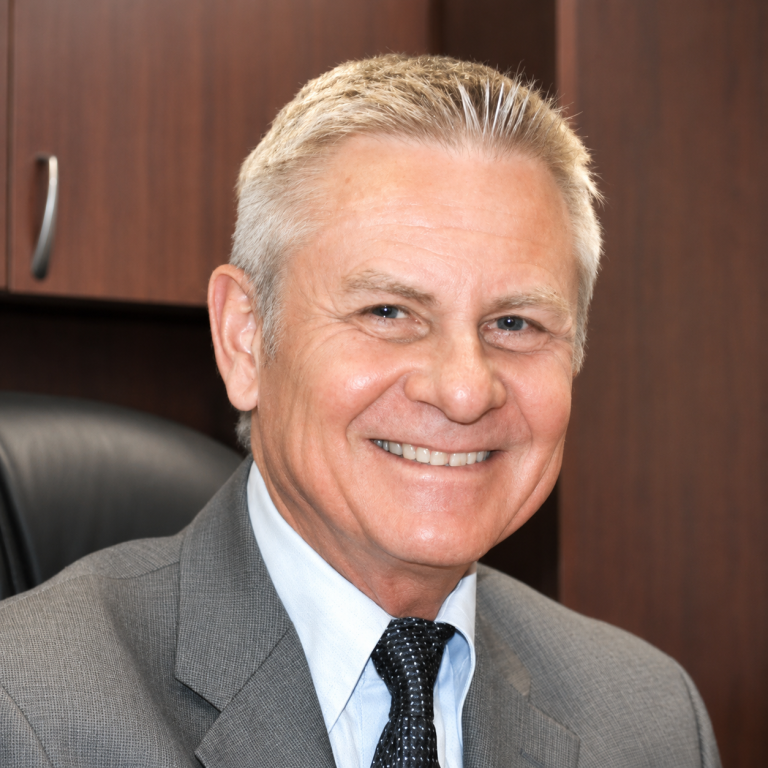
Dr David Nunan
Past President, TESOL International Association. Designed Anaheim University’s undergraduate TESOL certificate and diploma.
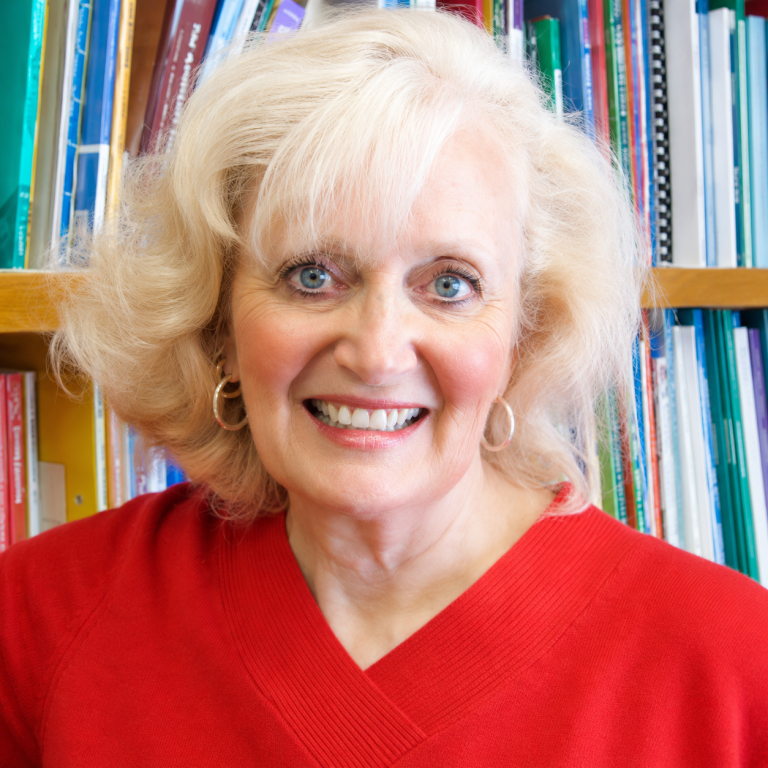
Dr MaryAnn Christison
Past President, TESOL International Association.
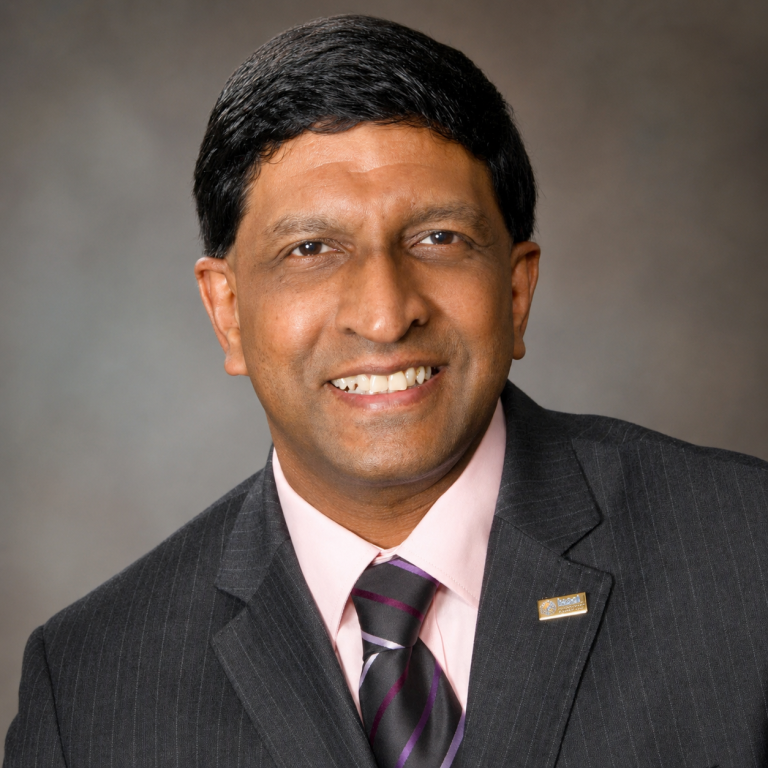
Dr Andy Curtis
Past President, TESOL International Association.

Dr Rod Ellis
Second language acquisition researcher; his work was awarded the Duke of Edinburgh Prize.
Frequently asked questions
Do I need a TESOL certificate to teach English abroad?
In most countries, yes. Employers and visa authorities typically ask for a recognized TESOL, TEFL or CELTA qualification alongside a degree, and many specify a minimum number of taught hours. Anaheim University’s Certificate in TESOL is a 135-hour course and is the shortest route in. Requirements vary by country, so check the rules for where you intend to teach.
What is the difference between TESOL, TEFL and CELTA?
TESOL — Teaching English to Speakers of Other Languages — is the broadest term, covering teaching English both in English-speaking countries and abroad. TEFL means Teaching English as a Foreign Language and refers to teaching in countries where English is not the main language. CELTA is one specific brand of initial certificate awarded by Cambridge. A TESOL qualification covers the same ground as TEFL and, at Anaheim University, continues all the way to master’s and doctoral level.
Which qualification do I need to teach English at a university?
Almost always a master’s degree. The Master of Arts in TESOL is the program designed for this, and it also prepares graduates to design curricula and lead language programs. For tenure-track positions and program direction, many institutions expect a doctorate, which is what the Doctor of Education in TESOL leads to.
Can a certificate or diploma count toward the master’s later?
Graduate-level TESOL coursework can carry forward into the MA in TESOL, so the Graduate Certificate and Graduate Diploma can be used as a first step rather than a separate qualification. The conditions differ by program, and each program page and catalog states exactly what applies. Ask admissions before you enroll if the pathway matters to you.
Do I need teaching experience to start?
Not for the undergraduate certificates and diploma — the Certificate in TESOL and the TEYL Certificate are open to anyone 18 or over, or who has graduated high school. Graduate programs require a bachelor’s degree, and the Ed.D. requires a master’s plus four years’ TESOL experience.
Are the TESOL programs accredited?
Anaheim University is accredited by the Distance Education Accrediting Commission (DEAC). The DEAC is recognized by the Council for Higher Education Accreditation (CHEA) and is listed by the U.S. Department of Education as a recognized accrediting agency. Accreditation is institutional, which means it covers the university and the programs it offers.
Do I have to travel to the United States?
The coursework is delivered online, so you study from wherever you live. The Doctor of Education in TESOL includes required residential sessions; that program’s catalog sets out how many and when. Check the catalog for any program before you enroll.
How long does each TESOL program take?
What does a TESOL program cost, and is financial aid available?
Tuition is charged course by course rather than as a single fee, so the cost is spread across your studies. Current tuition for each program is published in that program’s catalog. Anaheim University does not participate in federal or state financial aid programs, so US federal loans and grants are not available — worth knowing before you apply.
Is a GRE or entrance exam required?
Can I teach English abroad without a bachelor's degree?
You can study for a TESOL qualification without one — the Certificate in TESOL and the TEYL Certificate are open to anyone aged 18 or over, or who has graduated high school. Whether you can then be employed abroad is a separate question: many countries require a bachelor’s degree for a work visa regardless of your teaching qualification. Check the visa rules for the country you have in mind before you commit.
Can I study if English is not my first language?
Is there an age limit, or is it too late to change career?
Do TESOL qualifications expire?
No. These are academic qualifications awarded by an accredited university, and they do not need renewing. Some employers set their own requirements about recency of training, but the qualification itself stands.
Are classes live, or can I study in my own time?
When can I start?
Explore Other Subjects
Explore six subject areas and discover the schools and institutes that offer programs in each field.
Talk to a TESOL Advisor
Not sure which TESOL program is right for you? Speak with an advisor to compare study levels, discuss your teaching experience and academic goals, and find the program that best fits where you want to go next.
