
Certificate in Teaching English to Young Learners (TEYL)
June 2, 2023 2026-10-05 5:32Certificate in Teaching English to Young Learners (TEYL)
Certificate in Teaching English to Young Learners (TEYL)
Inspire young minds as an English teacher for children aged 3 to 15. Designed for teachers, teachers in preparation, tutors and language education professionals, this online certificate, developed by former TESOL International Association President Dr. David Nunan, prepares you for the unique challenges of teaching English to children and adolescents.
Online
Study from anywhere
15 weeks
Earn your certificate
135 hours
About 9 hours a week
Monthly starts
First Monday of each month
DEAC
Accredited
Why Choose the TEYL Certificate
Four reasons teachers choose this certificate to teach children with confidence.
Designed by Dr. David Nunan
Developed and overseen by former TESOL International Association President Dr. David Nunan, with his video lectures.
Focused on Young Learners
Learn how to teach English to children and adolescents aged 3 to 15.
Learn With Teachers Worldwide
Join daily online discussions with your instructor and classmates around the world.
Apply It Tomorrow
Use what you learn today in your classroom tomorrow, while you keep working.
Program Learning Outcomes
What you will be able to do by the time you complete the program.
Child Development
- Discuss how learner characteristics change between birth and puberty
- Discuss the effect of age on second language acquisition
- Explain the role of emotions and teaching styles in young learners' learning
Teaching the Skills
- State key principles for teaching listening, speaking, reading, writing, vocabulary, grammar and pronunciation to young learners
- Adopt, adapt or create tasks for learners at different ages and stages
Classroom & Parents
- Create a positive classroom atmosphere
- Use realia and visuals effectively
- Build relationships with parents and help them understand their children's learning
Technology & Assessment
- Explain different models for using technology in the language classroom
- Describe the purposes of assessment and how they shape assessment techniques
How You'll Learn
The 15-week course is built around about nine hours of study a week, led by Dr. David Nunan’s video lectures.
Your Certificate, Step by Step
Complete one 15-week, 135-hour course.
01
STEP 1
Study the Course
Watch the video lectures, complete the readings and take part in the discussion forum each week.
02
STEP 2
Quizzes and Final Exam
Complete weekly online quizzes and a final exam. A Pass is 80%.
03
STEP 3
Earn Your Certificate
Receive your Certificate in Teaching English to Young Learners on successful completion.
Career Paths
Teach English to children in schools, institutes and online.
SCHOOLS
Teach in Schools
Teach English to children in elementary and international schools.
- Elementary school English teacher
- International school teacher
- ESL support teacher
LANGUAGE INSTITUTES
Teach in Language Institutes
Lead children’s and teen classes in language schools.
- Young learners teacher
- Kids' program teacher
- Academic coordinator for young learners
ONLINE & TUTORING
Teach Online and Tutor
Teach young learners one to one or in small online groups.
- Online English teacher for children
- Private English tutor
- Homeschool English teacher
FURTHER STUDY
Go Further in TESOL
Use the certificate as a foundation for further study.
- TESOL Certificate or Diploma
- Graduate study in TESOL
- Ongoing professional development
Meet Our Faculty
Learn from experienced academics and professionals who bring subject expertise, research, and real-world perspective into the classroom.
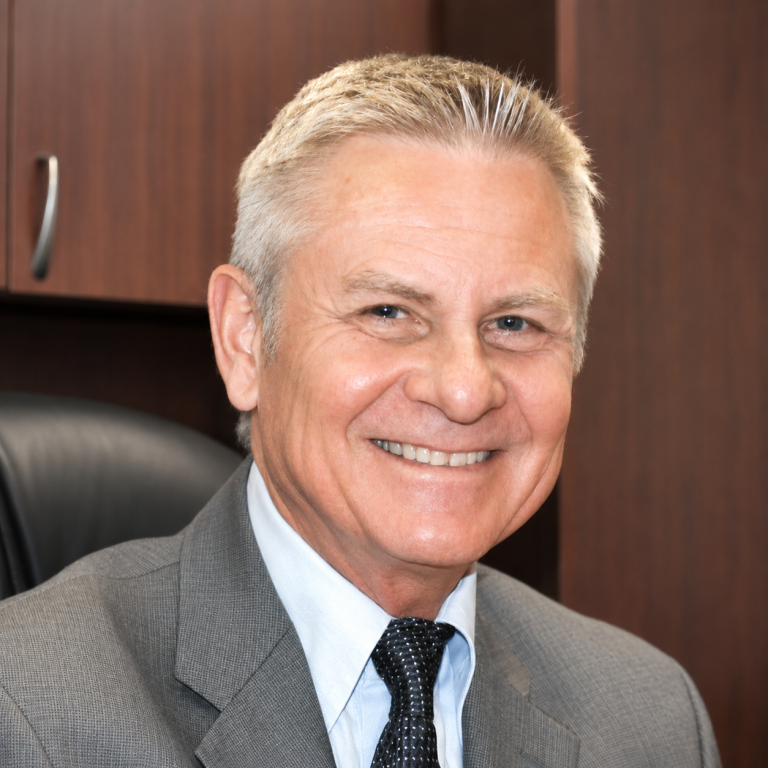
Dr David Nunan
Past President, TESOL International Association. Designed Anaheim University’s undergraduate TESOL certificate and diploma.
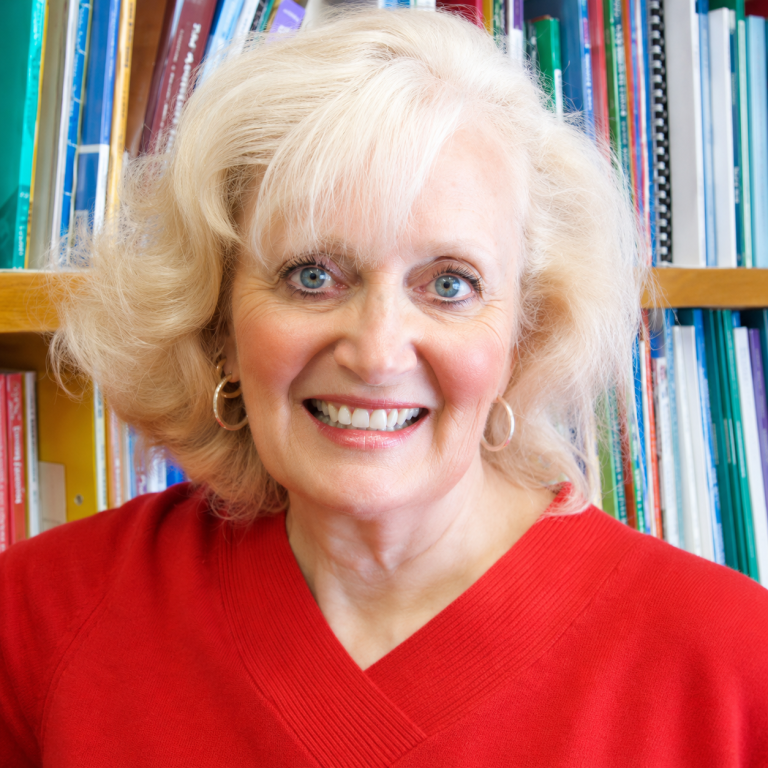
Dr MaryAnn Christison
Past President, TESOL International Association.
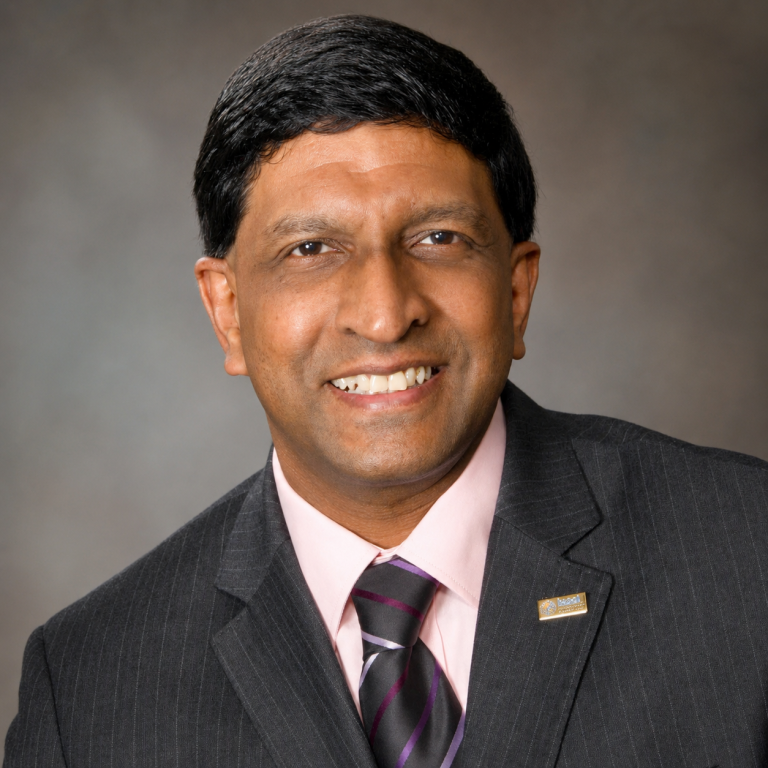
Dr Andy Curtis
Past President, TESOL International Association.
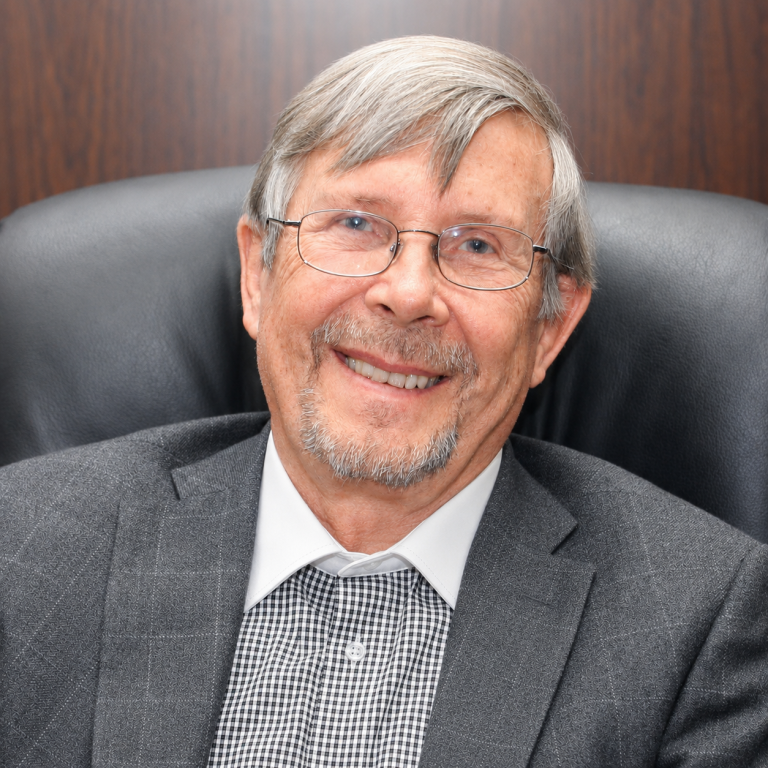
Dr Rod Ellis
Second language acquisition researcher; his work was awarded the Duke of Edinburgh Prize.
Ready to Start Your TEYL Certificate?
Speak with an advisor about your teaching goals, or start your application today. New courses begin every month.
TEYL Certificate Curriculum
The Online Certificate in Teaching English to Young Learners is a single 15-week course, offered through the Anaheim University David Nunan TESOL Institute. It asks about nine hours of study a week — 135 hours in all — and a new group starts on the first Monday of every month.
The curriculum combines practical classroom teaching strategies with research in child language development, TESOL, TEFL, language teaching methodology and second language acquisition. It is designed for current teachers, aspiring educators, tutors and language teaching professionals who want specialized expertise in teaching English to children and adolescents.
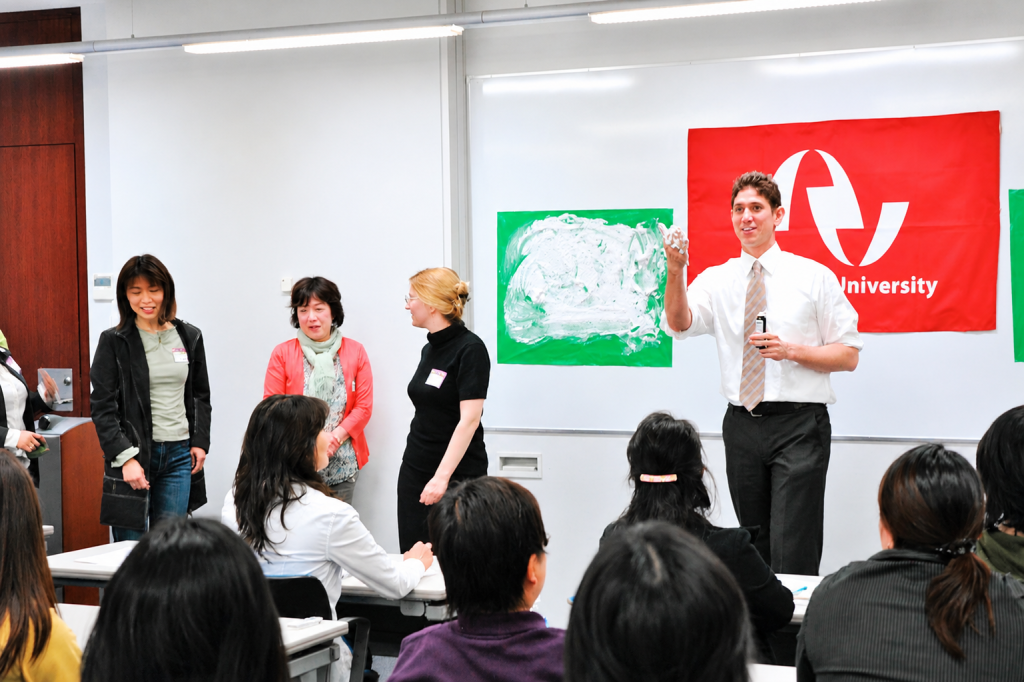
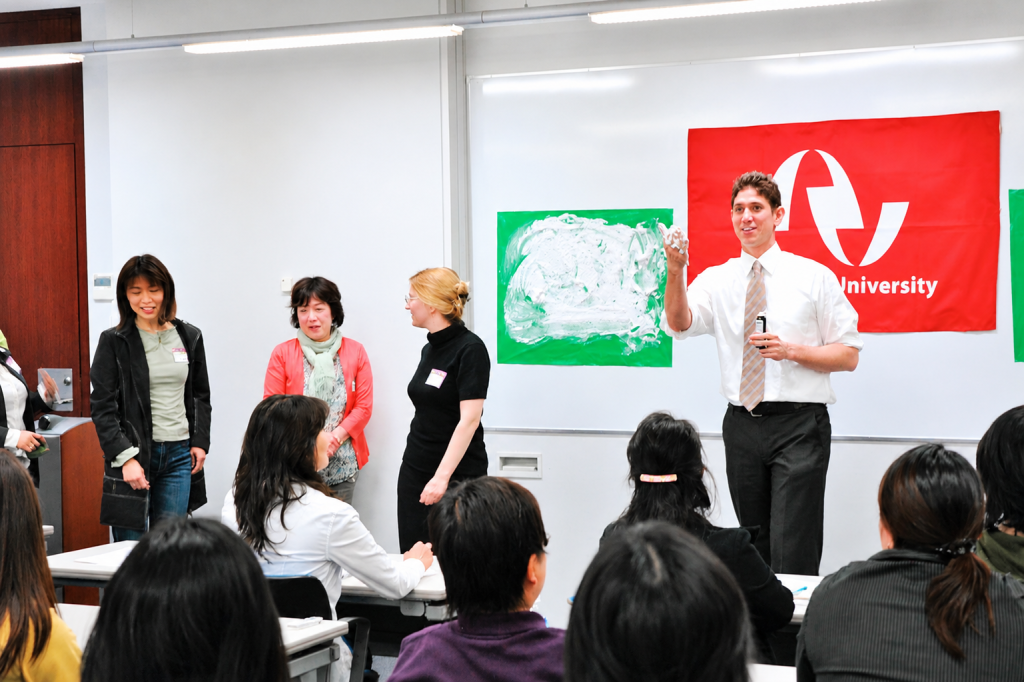
Teaching English to Young Learners seminar by Super Simple Learning co-founder Devon Thagard in Tokyo, Japan
A new group begins on the first Monday of every month and the course then runs for fifteen consecutive weeks. Work is graded on a pass/fail basis, and the maximum time allowed for completion is 30 weeks.
What the Certificate Covers
Sixteen areas across the fifteen weeks, from how children acquire language through to assessment, classroom management and working with parents.
Curriculum Areas
The program offers students the opportunity of developing a solid pedagogical foundation towards teaching English to children through instruction in the following areas.
- Who is the “young learner?”
- First and Second Language Acquisition
- Methods and Approaches in Language Teaching
- Teaching Listening
- Teaching Speaking
- Teaching Reading
- Teaching Writing
- Teaching Vocabulary
- Teaching Grammar
- Teaching Pronunciation
- Learning Styles and Strategies
- The Affective Domain
- Working with Parents
- Classroom Management
- Resources and Technology Support for Language Learning
- Assessment and evaluation
Practical Focus
The curriculum places a strong emphasis on practical application — teaching techniques that can be implemented immediately in classrooms, tutoring programs, language institutes and online learning environments. Particular attention is given to the following.
- Classroom interaction
- Learner engagement
- Motivation and confidence building
- The use of visuals and realia
- Educational technology integration
- Creating a positive classroom atmosphere
- Age-appropriate instructional design
Fifteen weeks at nine hours a week makes a 135-hour course. The weekly breakdown is a suggestion, but one students are advised to follow closely to keep up with the schedule.
Studying the Certificate
The detail behind the fifteen weeks — what sits at the centre of the curriculum, how it is graded, when it starts and where it leads.
A central component of the TEYL curriculum is understanding how children acquire language. Students explore both first language acquisition and second language acquisition, gaining insight into how developmental stages influence language learning. This knowledge enables educators to select appropriate teaching methods, learning activities, classroom resources, and assessment strategies for young learners.
The curriculum also introduces key concepts from Applied Linguistics and English Language Teaching (ELT), helping educators make informed instructional decisions and create supportive, engaging, and effective learning environments for children.
Work is graded on a pass/fail basis. Weekly online quizzes and participation in the discussion forum run through all fifteen weeks, alongside the video lectures, the background reading and the written responses to discussion questions and tasks.
A new group begins on the first Monday of every month, twelve times a year, so there is no long wait for an intake. The maximum time allowed for completion is 30 weeks; a student who needs a further fifteen-week extension pays a $200 fee.
The TEYL Certificate complements broader studies in TESOL and English Language Teaching while focusing specifically on the unique needs of young learners. The program serves as valuable professional development for current teachers and provides a pathway to further study in TESOL, Applied Linguistics, Language Education, and Teacher Education. Students who successfully complete the TEYL Certificate may also be eligible for tuition benefits when progressing to selected Anaheim University TESOL programs.
Teaching English to Young Learners (TEYL) Program Textbook
Anaheim University’s Online Certificate in Teaching English to Young Learners (TEYL) uses a specialized textbook designed to support educators working with children and adolescents in English language learning environments. The textbook provides a practical introduction to Teaching English to Young Learners, child language development, TESOL (Teaching English to Speakers of Other Languages), TEFL (Teaching English as a Foreign Language), language teaching methodology, and Second Language Acquisition.
Serving as a core learning resource throughout the 15-week online certificate program, the textbook helps students develop the knowledge and skills needed to teach English effectively to young learners.
Written by Dr. David Nunan, Director of the Anaheim University David Nunan TESOL Institute and former President of TESOL International Association, the textbook combines educational theory with practical classroom applications.
Students use the textbook alongside video lectures, online discussions, quizzes, and interactive learning activities that reinforce key concepts and teaching strategies. Together, these learning resources help educators build expertise in supporting English language development for children between the ages of 3 and 15.
Textbook Details
The required textbook for the Online Certificate in TEYL.
| Teaching English to Young Learners | |
|---|---|
| Title | Teaching English to Young Learners |
| Author | David Nunan |
| Publisher | Anaheim University Press |
| Published | 2010 |
| ISBN-10 | 0615401023 |
| ISBN-13 | 978-0615401027 |
| Required for | Online Certificate in TEYL (15 weeks) |
Description
The aim of Teaching English to Young Learners is to provide you with knowledge and skills for teaching English as a second or foreign language to young learners. The book consists of sixteen chapters. Each chapter includes a statement of specific learning outcomes, references and further reading, and addresses a key aspect of TEYL.
Sixteen Chapters
Each chapter addresses a key aspect of teaching English to young learners.
- 01Who is the “young learner”
- 02First language acquisition
- 03Methods and approaches in language teaching
- 04Teaching listening
- 05Teaching speaking
- 06Teaching reading
- 07Teaching writing
- 08Teaching vocabulary
- 09Teaching grammar
- 10Teaching pronunciation
- 11Learning styles and strategies
- 12The affective domain: motivation, reticence and anxiety
- 13Working with parents
- 14Resources and technology support for language learning
- 15Classroom management
- 16Assessment and evaluation
Why This TEYL Textbook Is Important
Teaching English to children requires specialized knowledge that differs significantly from teaching adult learners. Effective educators understand how developmental stages influence language learning and how teaching methods can be adapted to meet the unique needs of young learners.
The TEYL textbook helps students build this understanding by exploring both the theoretical foundations and practical applications of teaching English to children. Through a combination of research-based concepts and classroom-focused strategies, the textbook prepares educators to create engaging and effective language learning experiences.
The textbook supports professional development in:
- Teaching English to Young Learners (TEYL)
- Child language development
- First and Second Language Acquisition
- TESOL and TEFL methodology
- Teaching listening, speaking, reading, and writing
- Vocabulary and grammar instruction
- Pronunciation teaching
- Classroom management
- Educational technology
- Assessment and evaluation
- Parent-teacher communication
These topics help educators create engaging, age-appropriate learning experiences that support language development, learner confidence, and long-term academic success.
What Students Learn from the TEYL Textbook
The textbook aligns directly with the curriculum and learning outcomes of Anaheim University’s Online Certificate in Teaching English to Young Learners (TEYL). Students explore how children learn languages, how motivation and emotions influence learning, and how teachers can create positive classroom environments that encourage communication, participation, and language growth.
The text also introduces practical teaching strategies that can be applied immediately in schools, language institutes, tutoring programs, and online learning environments.
By studying the textbook, students gain a deeper understanding of Teaching English to Young Learners, English Language Teaching (ELT), Applied Linguistics, and language acquisition while developing practical teaching skills that can be applied in ESL and EFL learning contexts around the world.
2026 Start Dates
New courses begin at the start of each month, so you can start when it suits you.
Plan Your Studies
What to expect once you start.
15 Weeks, 9 Hours a Week
Study through video lectures, readings, discussions and quizzes. If you need more time, a 15-week extension costs $200.
Pass or Fail
The certificate is a single non-credit course, completed 100% online and graded pass or fail.
Supervised Teaching
Teach three 30 to 60 minute classes for written feedback: Option A, your own learners ($300), or Option B, learners arranged by AU ($450).
Register a Week Ahead
Register and pay more than seven days before your start date to avoid the $40 expedited registration fee.
Certificate in Teaching English to Young Learners Tuition & Fees
Tuition for the Certificate in Teaching English to Young Learners (TEYL) is $1,050 per course, with a $50 records fee. The estimated total program cost is $1,280 and includes required tuition and fees, estimated textbooks, and end-of-program fees. The program is a single non-credit course completed fully online in 15 weeks.
Students may pay tuition course by course and can also inquire about a non-interest-bearing monthly payment plan. The estimated total assumes completion within the standard 15-week schedule; a 15-week extension is $200. Graduates who continue into the MA or Diploma in TESOL may be waived the tuition fee for two units of credit.

| Fee | Amount |
|---|---|
| Application fee non-refundable | $50 |
| Registration fee non-refundable | $100 |
| STRF fee (California residents only) non-refundable | $0 |
| Course fees | |
| Tuition — $350 per credit × 3 credits | $1,050 |
| Records fee | $50 |
| Estimated textbook fees | $30 |
| Digital textbook optional | $20 |
| Optional supervised teaching | |
| Online Supervised Teaching — Option A (student arranges ESL learners) optional | $300 |
| Online Supervised Teaching — Option B (AU arranges ESL learners) optional | $450 |
| Other fees | |
| Expedited registration (register ≤7 days before start) optional | $40 |
| 15-week extension optional | $200 |
| End-of-program fees | |
| Certificate | No cost |
| Replacement certificate optional | $100 |
| Certificate cover optional | $100 |
| Course completion letter optional | $35 |
| Total program cost | $1,280 |
Program Cost & Additional Enrollment
The estimated total program cost assumes completion within the standard 15-week schedule. Students who require additional time may take a 15-week extension for an additional $200 fee. Students who register and pay for the course seven days or less before the scheduled start date will pay an expedited registration fee of $40.
Program Format
The Certificate in TEYL is a single non-credit course completed 100% online in 15 weeks, designed by David Nunan TESOL Institute Director Dr. David Nunan. New courses begin on the first Monday of each month, and students are graded on a pass/fail basis.
Optional Supervised Teaching
Students who wish to gain supervised teaching experience may add an Online Supervised Teaching Option. In Option A ($300) the student arranges the ESL learners; in Option B ($450) Anaheim University arranges the learners. In both options the student teaches three 30–60 minute classes, records the sessions, and receives written corrective feedback from the instructor.
Textbooks
Program fees do not include textbooks. A student can plan on approximately $30 for the textbook (with a $20 digital option). A textbook list is available in the online resources of the student website.
Student Tuition Recovery Fund (STRF)
The Student Tuition Recovery Fund (STRF) is administered by the California BPPE and applies only to California residents. The STRF fee is currently zero ($0) per one thousand dollars ($1,000) of institutional charges. The State of California established the STRF to relieve or mitigate economic loss suffered by a student in an educational program at a qualifying institution who is or was a California resident while enrolled, if the student enrolled, prepaid tuition, and suffered an economic loss. Unless relieved of the obligation to do so, you must pay the state-imposed assessment for the STRF, or it must be paid on your behalf, if you are a student in an educational program who is a California resident, or are enrolled in a residency program, and prepay all or part of your tuition. You are not eligible for protection from the STRF, and you are not required to pay the STRF assessment, if you are not a California resident or are not enrolled in a residency program.
Payment Terms
Tuition may be paid by check, credit card (Visa, Mastercard, American Express or Discover), money order or bank transfer (the student is responsible for any transaction fees imposed by the institution). The application fee must be paid at the time of application. To inquire about non-interest-bearing monthly payment plan options, email [email protected].
Certificate in Teaching English to Young Learners Admission Requirements
The Certificate in Teaching English to Young Learners (TEYL) is an open-enrollment program — no transcripts are required, and there are no degree or GPA requirements. Applicants need only be 18 or over, or have graduated high school. No entrance examination is required.
The certificate is a single non-credit course completed 100% online in 15 weeks and graded on a pass/fail basis. Review the requirements, English proficiency standards, and enrollment restrictions below, then complete Anaheim University’s online application when you’re ready.
| Requirement | Detail |
|---|---|
| Application materials | |
| Application form | Required |
| Application fee non-refundable | $50 |
| One recent color photograph | Digital is okay |
| Government-issued photo ID | Scanned copy required |
| Eligibility | |
| Enrollment | Open enrollment — no transcripts required |
| Minimum age / education | 18 or over, or graduated high school |
| English proficiency — non-native English speakers (one of) | |
| TOEFL | 500 PBT / 173 CBT / 61 iBT |
| IELTS | 6.0 |
| TOEIC | 625 |
| PTE Academic | 44 |
| Other qualifying options | See the full list below |
| Other | |
| Entrance examination | None required |
| Internet access | Computer with internet access required |
English Proficiency Requirements
The language of instruction at Anaheim University is exclusively English, and English language services are not provided. Non-native English speakers must provide original documentation of college-level proficiency by meeting one of the following minimum scores:
Proficiency may also be shown by a degree from an institution where English is the primary language of instruction; a transcript showing 30 semester hours taught in English with a “C” average, or a “C” or higher in an English composition class. Other accepted qualifications include BULATS Level 3 (60, accepted only for Cultura Inglesa in Brazil); ACT COMPASS ESL Placement Level 3; Eiken Pre-1; a CEFR B1 level assessed through recognized ESOL examinations, including the University of Cambridge; Duolingo English Test 95; Michigan MET 53; or the College Board Accuplacer ESL series.
Transcripts not in English: if your institution does not routinely issue transcripts in English, original-language records must be submitted with official English translations issued by the university or a professional translation service (Accredited Language Services, Berlitz, Liaison Linguistics, Josef Silny & Associates, American Evaluation & Translation Services, or Education Evaluators International). Translations must be exact and complete versions of the original records.
Enrollment Restrictions by State
Anaheim University currently does not accept students who reside in the following U.S. states and territories. If you reside in one of these locations, please contact Student Services at 714-772-3330 before applying.
How to Apply
- 1Submit your applicationComplete the Anaheim University admissions application. You may apply online or download the PDF application and submit it by email.
- 2Submit your supporting documentsProvide a recent passport-size color photograph and a government-issued photo ID, and — if you are a non-native English speaker — English-proficiency documentation. Documents may be uploaded with the online application or emailed to [email protected]. No academic transcripts are required for admission.
- 3Pay the application feePay the application fee. Payment may be made by credit card, check or money order, or bank wire transfer. For payment instructions or assistance, contact [email protected].
- 4Send required original documentsAny required original application documents that are not submitted online should be sent by registered mail to:
Anaheim University
Office of Admissions, Room 110
1240 S. State College Blvd.
Anaheim, CA 92806-5150
USA - 5Application reviewOnce your application materials are received, Anaheim University will review your application. A receipt for the application fee will be provided, and if your application is incomplete, the University will contact you with instructions regarding any outstanding materials.
- 6Complete your enrollmentIf your application is approved, you will receive an acceptance notification and Enrollment Agreement. Complete and return the required enrollment documentation and follow the University’s instructions for payment, registration, and beginning your program.
TEYL Certificate Faculty
Learn from internationally recognized TESOL scholars, including past presidents of TESOL International Association and authors of widely used textbooks, who bring research and classroom experience into every course.
Academic Leadership
The faculty who designed and lead our TESOL programs.
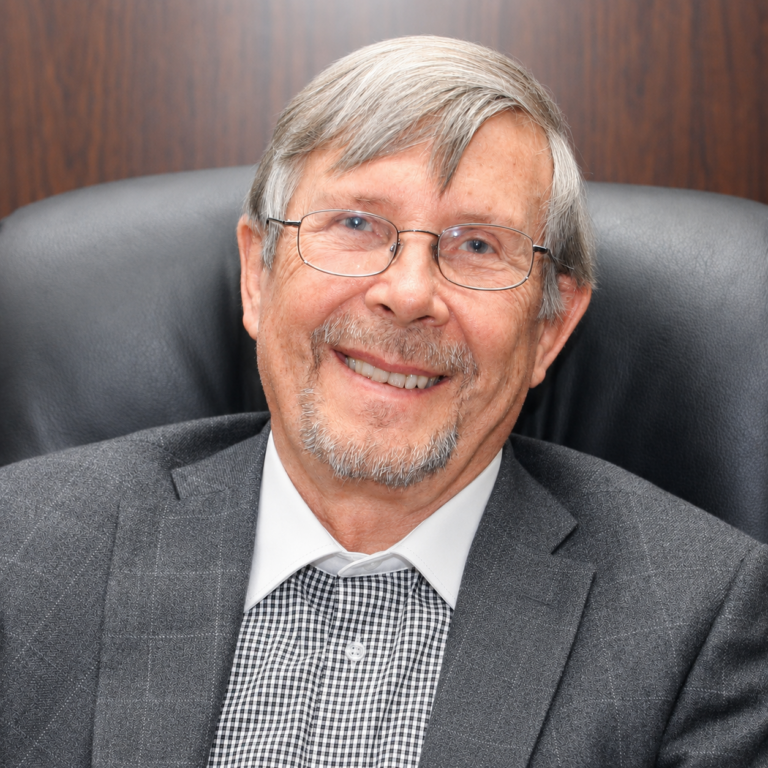
Vice President of Academic Affairs and designer of the Doctor of Education in TESOL program.
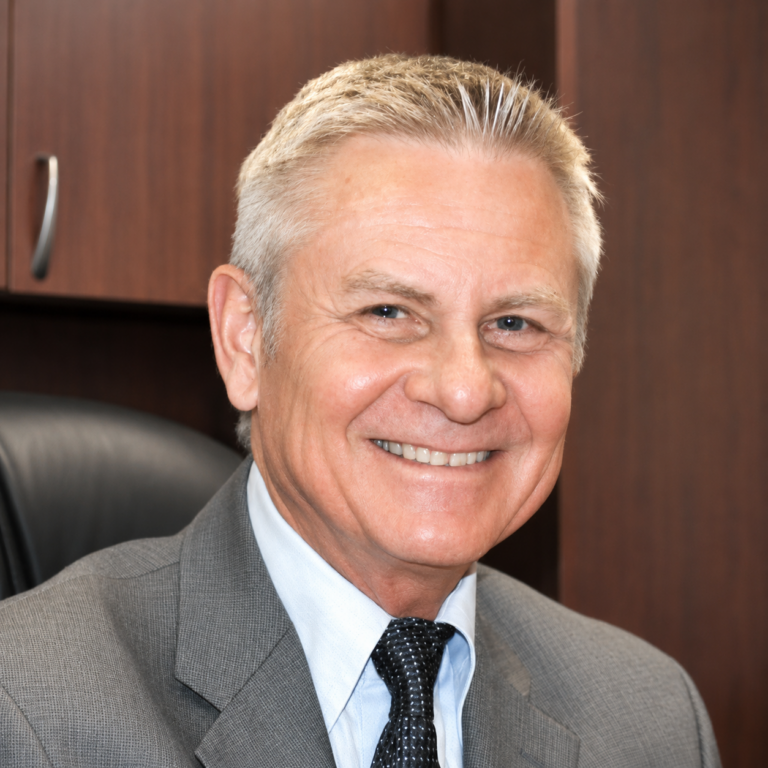
Designer of the Master of Arts in TESOL and Director of the David Nunan TESOL Institute.

Chair of Research and Senior TESOL Professor in the Graduate School of Education.
Professors
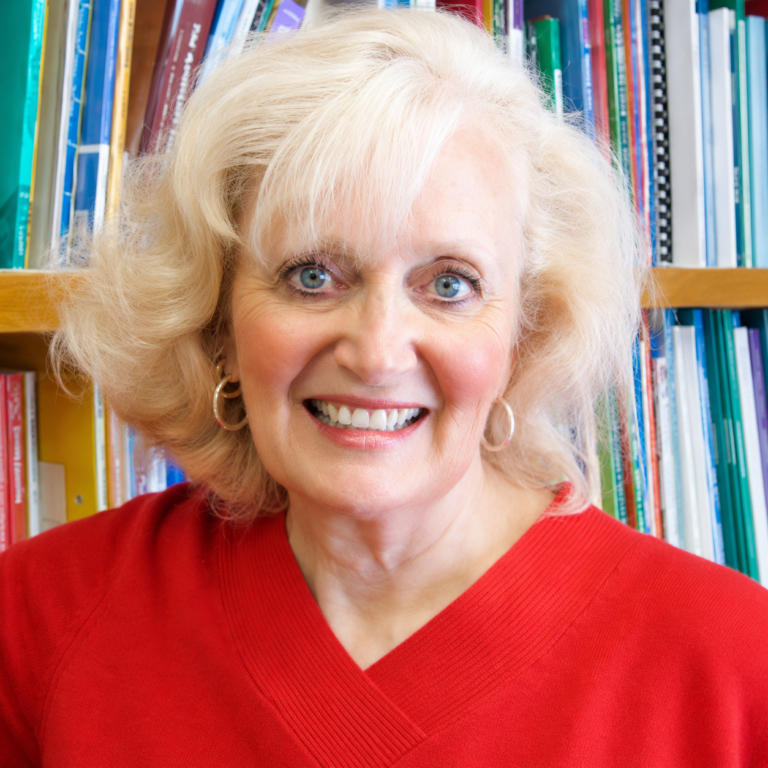
Past President of TESOL International Association (1997–1998) and author of 18 books on language teaching.
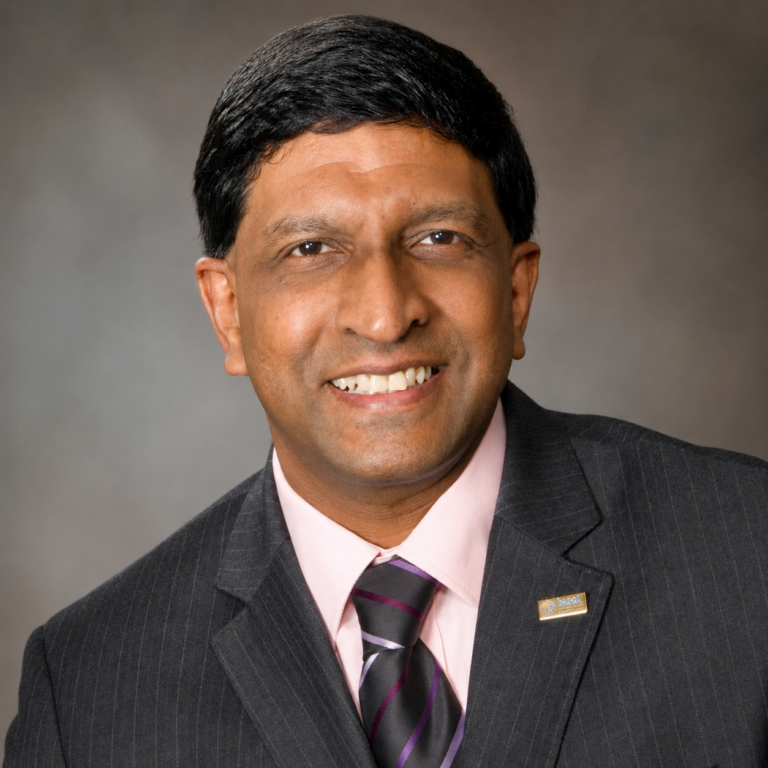
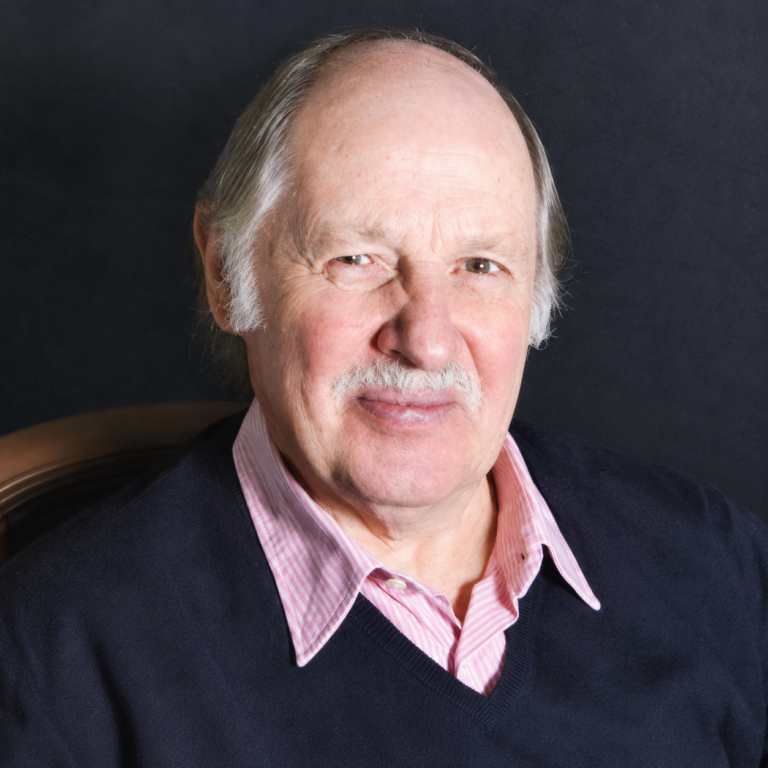
A leading expert on materials development for language learning and founder of MATSDA.
Computer-assisted language learning (CALL) specialist and author of more than 140 textbooks and readers.
Doctorate from Columbia University Teachers College; researches classroom management and observation.
Professor of Second Language Studies at the University of Hawaii at Manoa; specialist in reading and testing.
Victoria University of Wellington; co-author of Language Curriculum Design with Paul Nation.
Director of the Self-Access Learning Center at Kanda University of International Studies; learner autonomy specialist.
Professor at University College Dublin, known for research on processing instruction.
Specialist in second language acquisition, corrective feedback and gesture in language learning.
Professor of Language and Linguistics at Gunma Prefectural Women’s University; second language acquisition researcher.
Associate Professors
Associate Professor of Linguistics at Boise State University, with 20+ years teaching English to adults.

Associate Professor of TESOL and Applied Linguistics at the UCL Institute of Education, London.
Ph.D. from McGill University; researches how second language research can be applied in the classroom.
Ph.D. from the University of Auckland; researches task-based instruction and written corrective feedback.
Researches how learners acquire and process vocabulary and formulaic language.
Assistant Professors
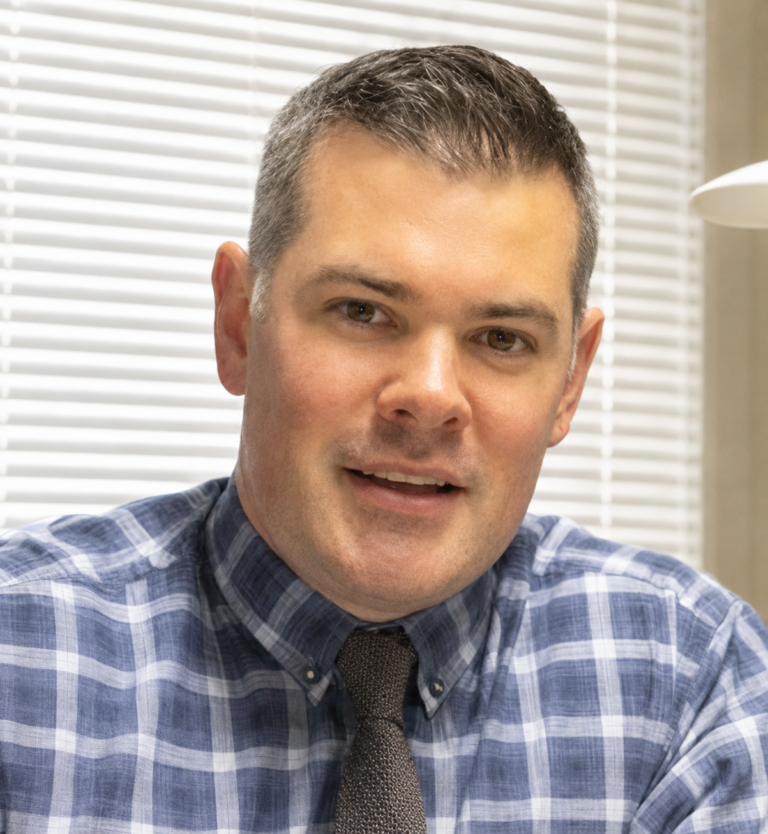
Ph.D. in Applied Linguistics from the University of Auckland; researches L2 motivation and task-based teaching.
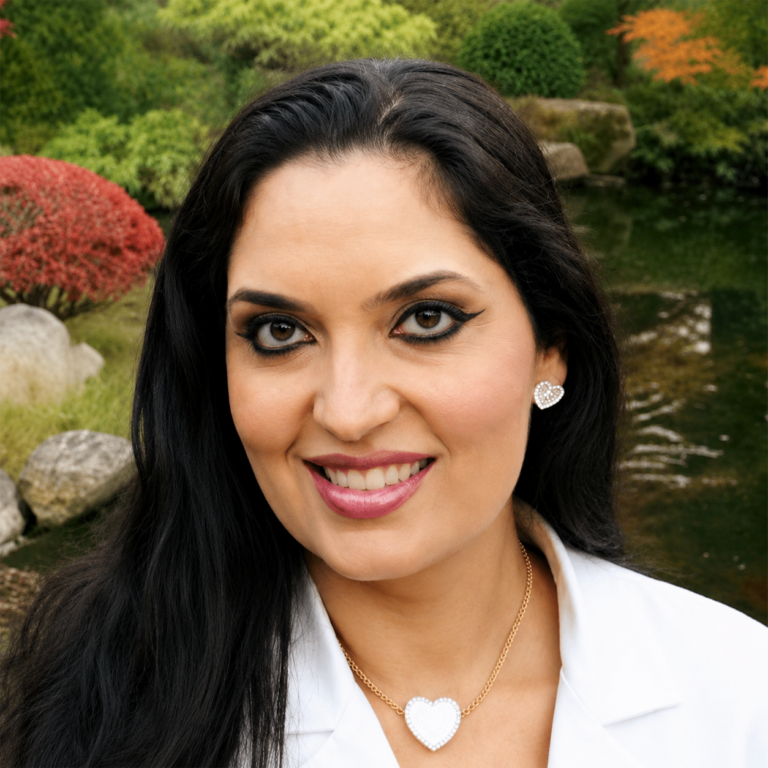
Raised bilingually in Brazil and educated in Japan; researches bilingual development.

Professor at Waseda University, Tokyo; co-author of Exploring Psychology in Language Learning and Teaching.
