Doctor of Education (Ed.D.) in TESOL
Home » Programs » Doctor of Education (Ed.D.) in TESOL

Doctor of Education (Ed.D.) in TESOL
Lead the future of English language teaching. Designed for educators with an MA in TESOL, Applied Linguistics or a related field, this online doctorate, taught by pioneers such as Dr. Rod Ellis and Dr. David Nunan, builds the research skills to direct language programs, train teachers and publish original research.

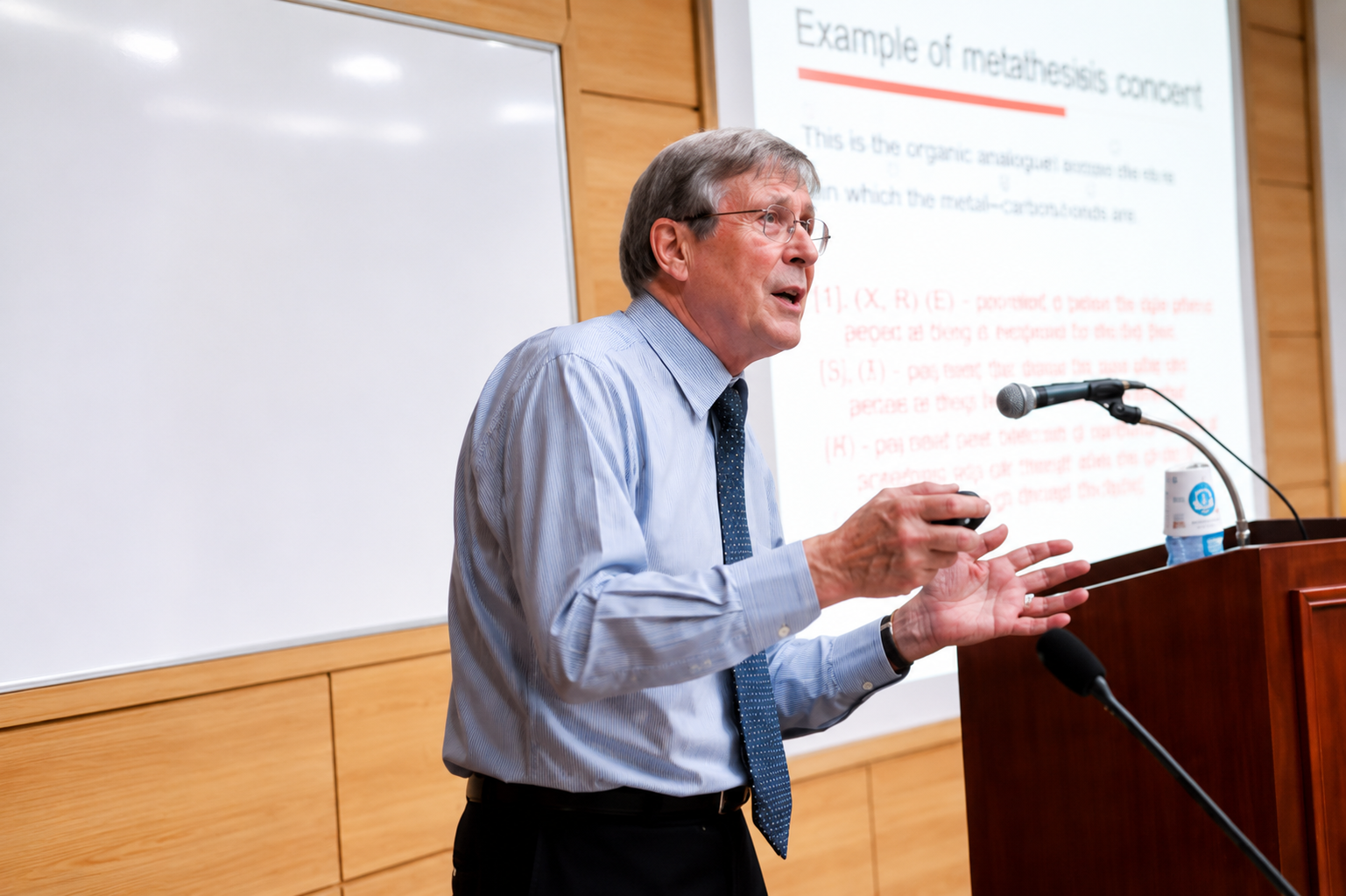
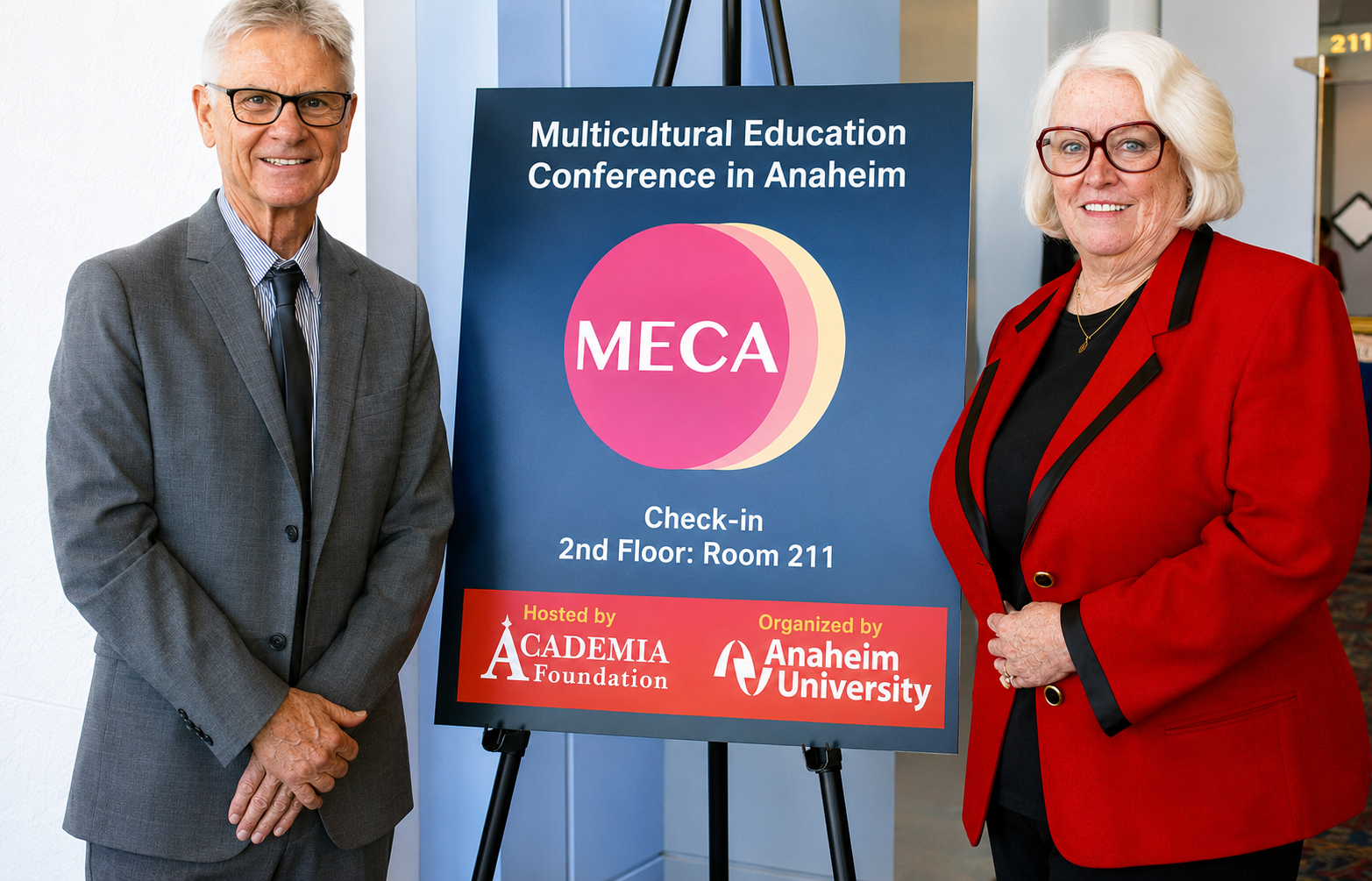
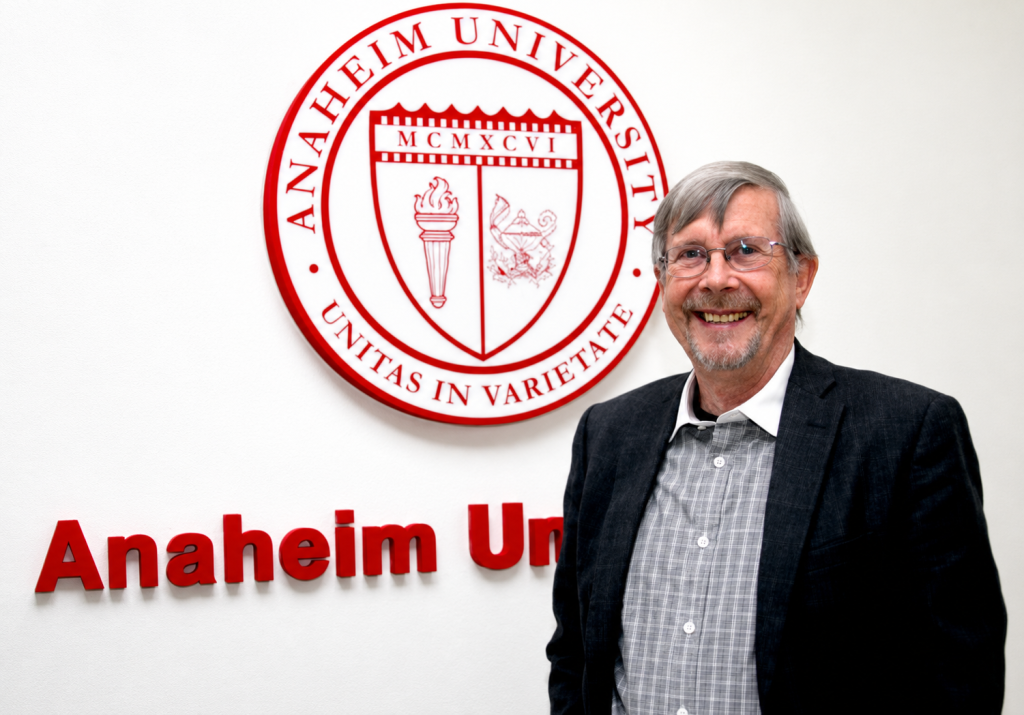
Dr. Rod Ellis, AU Vice-President for Academic Affairs, at the Anaheim University–Seoul National University Seminar

Online

Live weekly webcam classes

3–4 years

While working full-time

76 credits

16 courses + dissertation

2 × 4 days

Residential sessions

DEAC

Accredited

Why Choose the Ed.D. in TESOL

Four reasons experienced educators choose Anaheim University for their doctorate.

Pioneers in Online TESOL

Anaheim University launched the world’s first real-time online MA in TESOL in the mid-1990s.

Learn From the Field’s Authors

Study with Dr. Rod Ellis, Dr. David Nunan and former TESOL International Association presidents.

Live, Not Self-Paced

Weekly 90-minute webcam classes: an hour led by your professor, then 30 minutes of student-led discussion.

Keep Your Career

Study from anywhere. Residencies run Thursday–Sunday or Saturday–Tuesday to limit time away from work.

Program Learning Outcomes

What you will be able to do by the time you complete the program.

Knowledge

Teaching Practice

Research

Leadership & Technology

How You’ll Learn

Each nine-week course combines a weekly live class, an ongoing discussion forum and two assignments.

Online discussion forum Ongoing, all 9 weeks
Break WeekNew term every 10 weeks
Assignment 1 · Weeks 1–5
Assignment 2 · Weeks 6–9
Week 6Live class
Week 7Live class
Week 8Live class
Week 9Final assignment

Your Dissertation

Your doctorate ends with original research on a question that matters in your field.

01

STAGE 1

Coursework

15 courses across the four areas of study, ending with the comprehensive exam.

02

STAGE 2

Proposal

The Dissertation Proposal Writing course, where you shape your research question and design.

03

STAGE 3

Dissertation

Three dissertation terms to conduct, write up and complete your research.

Career Paths

Move from the classroom into roles that shape how English is taught.

HIGHER EDUCATION

Teach and Lead at University Level

Teach TESOL and applied linguistics, and supervise future teachers.

PROGRAM LEADERSHIP

Run Language Programs

Manage English programs, staff and standards in schools and institutions.

TEACHER EDUCATION

Develop Other Teachers

Design and deliver training that improves teaching quality.

CURRICULUM & RESEARCH

Shape What Is Taught

Build curricula, tests and materials, and publish research.

Meet Our Faculty

Learn from experienced academics and professionals who bring subject expertise, research, and real-world perspective into the classroom.

Rod Ellis, Ph.D.

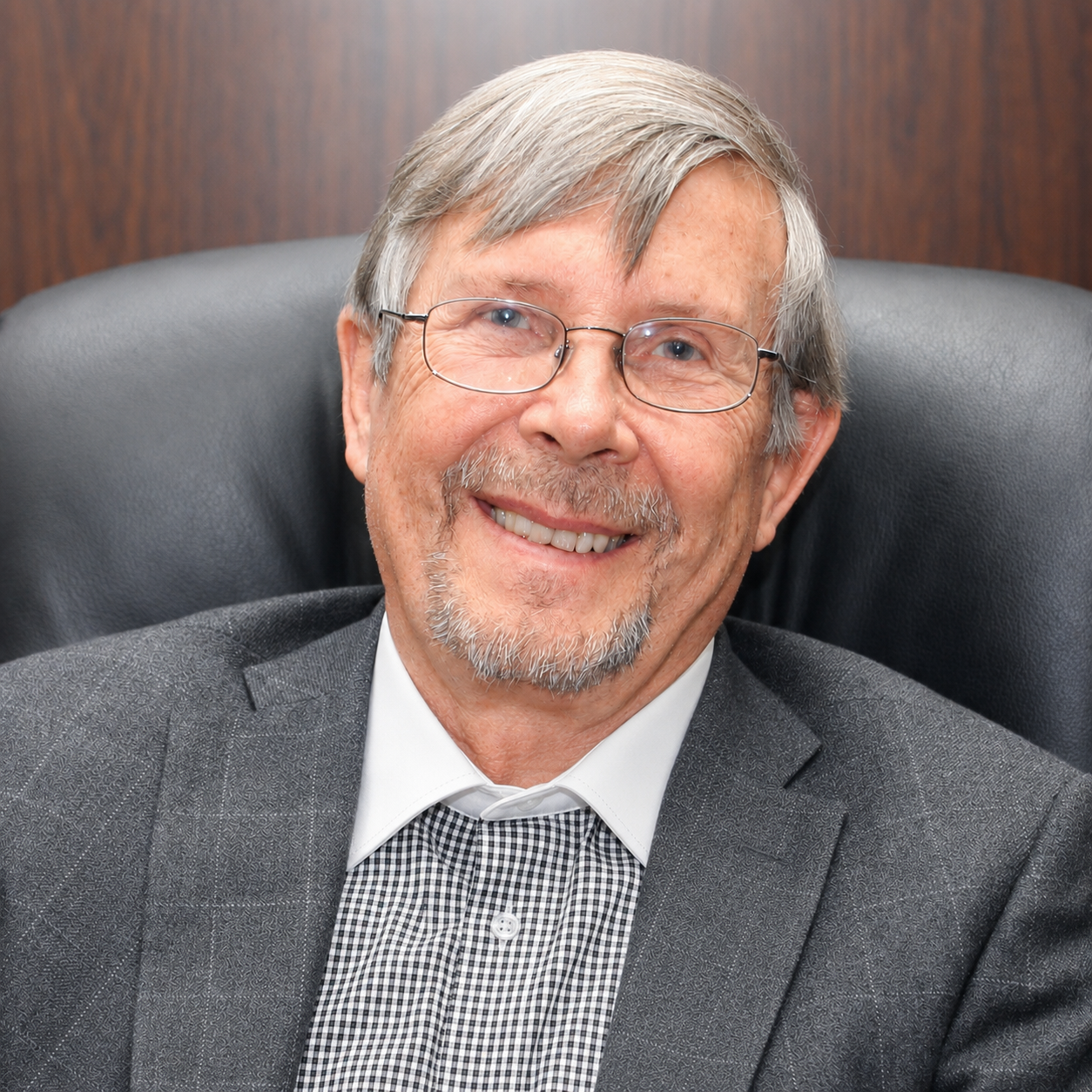
Vice President for Academic Affairs and designer of Anaheim University’s Ed.D. in TESOL. Internationally renowned applied linguist and recipient of the Duke of Edinburgh Prize.

David Nunan, Ph.D.

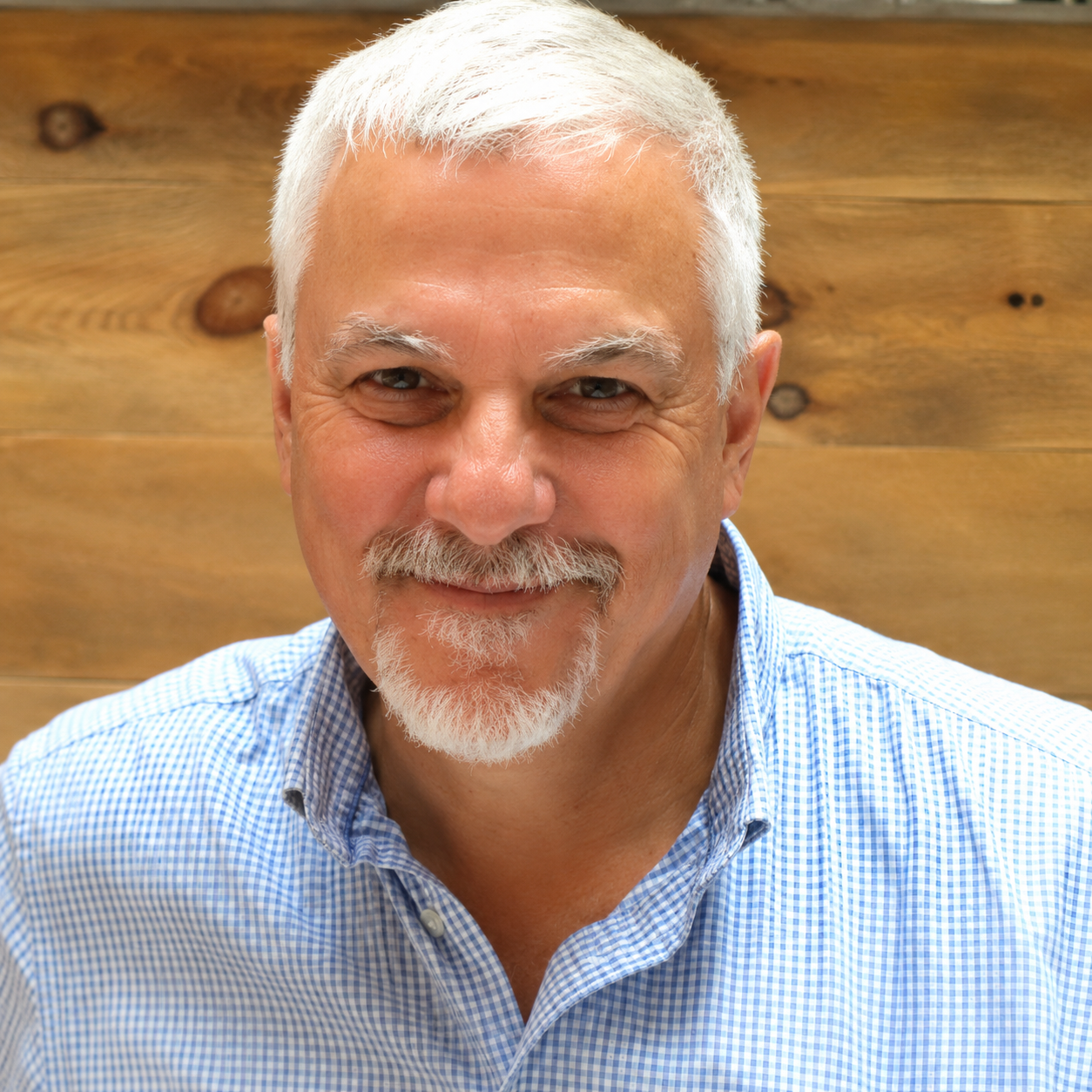
Director of the David Nunan TESOL Institute and designer of Anaheim University’s MA in TESOL. Former President of TESOL International Association and internationally recognized authority on language teaching and curriculum development.

Andy Curtis, Ph.D.

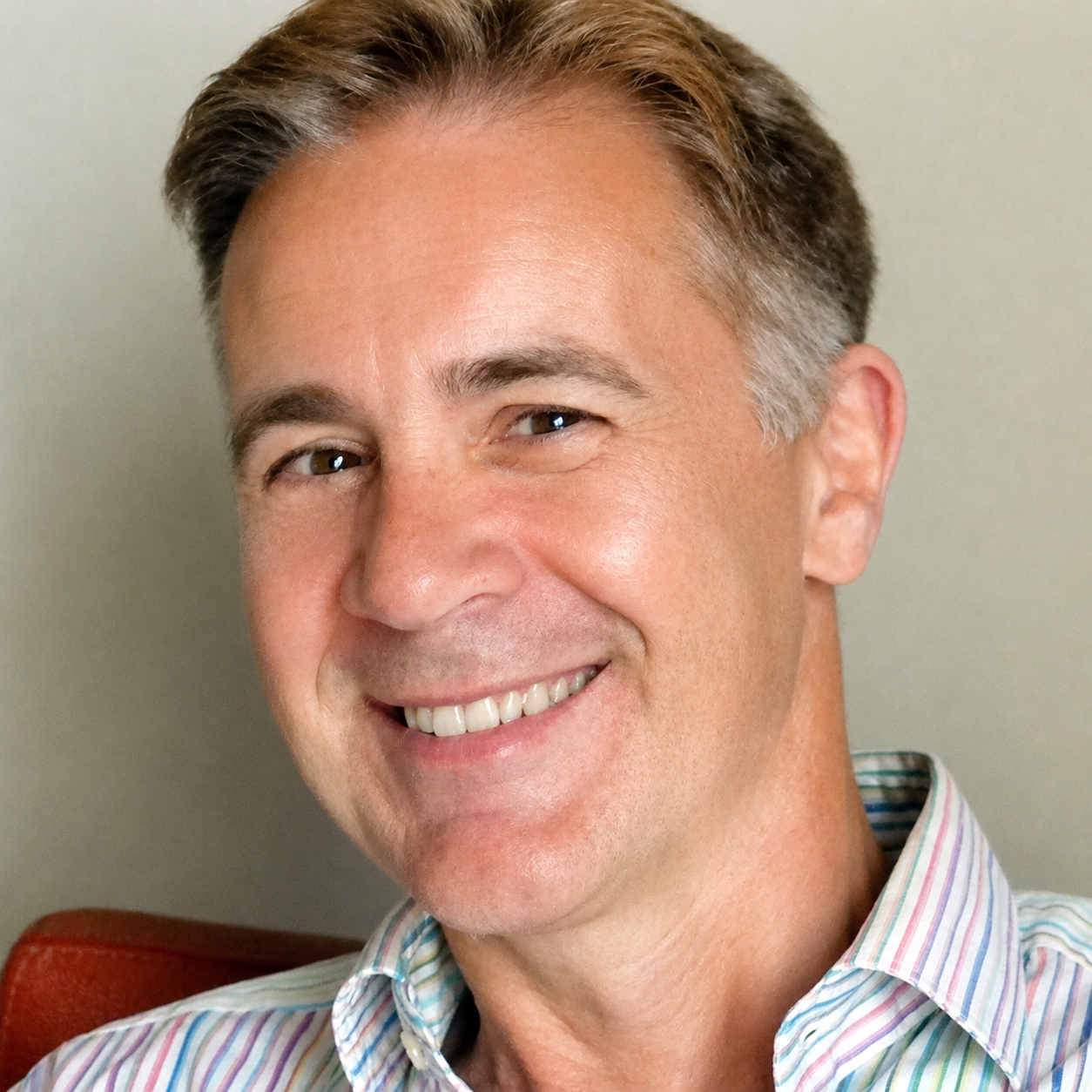
TESOL Professor and former President of TESOL International Association. Earned his Ph.D. in International Education from the University of York and has presented to language educators in more than 100 countries.

Dr MaryAnn Christison

TESOL Professor and former President of TESOL International Association. Internationally recognized teacher educator, author, and specialist in language teacher development.

Ready to Start Your Ed.D. in TESOL?

Speak with an advisor about your teaching experience and research interests, or start your application today.

Ed.D. in TESOL Curriculum

The Doctor of Education in Teaching English to Speakers of Other Languages (Ed.D. in TESOL) combines 16 courses with a three-term dissertation for a total of 76 units. Each course is nine weeks long and carries four units.


Coursework is organized across four areas: applied linguistics, language teaching, professional development, and research methods. Together, these areas develop the theoretical, practical, leadership, and research foundations students need before progressing to the dissertation.

Dr. Rod Ellis, Designer of the Anaheim University Online Doctor of Education in Teaching English to Speakers of Other Languages program

What the degree is made of
Units
Coursework — 16 core courses, no electives
64
Dissertation — three terms of research and writing
12
Total required to graduate
76

Every course is nine weeks long and carries four units; a new course begins every ten weeks. Two four-day intensive seminars, held once a year and typically in July or August, are required for graduation, and their tuition is included in the total program price.

Four Areas of Study

The curriculum progresses through four connected areas, from the disciplinary foundations of TESOL to professional practice and the research methods that support doctoral study.

1. Studies in Applied Linguistics

7 core courses · 28 units

This area is broad-based. It aims to provide students with the disciplinary knowledge that forms TESOL. It addresses the linguistic, psycholinguistic, psychological and sociolinguistic foundations of language teaching. On completing the courses in this area, students will have developed a clear understanding of theories of language learning, and of the theoretical and empirical underpinnings of different language teaching approaches, instructional materials, and language testing.

This course investigates research that has investigated the effects of form-focused instruction on L2 acquisition. It draws on theory and research in the field of second language acquisition and examines a number of options for conducting form-focused instruction. Students will be expected to use their knowledge of existing research to prepare a research proposal for a study using their own learners or a group of learners with whom they are familiar.

This course will familiarize participants with research investigating interlanguage pragmatics and examine how instruction can effectively develop L2 pragmatic competence. Students will be required to prepare a set of teaching materials for teaching ONE speech act (e.g., requests or compliments). They will also be asked to try out and evaluate their materials on their own students or students with whom they are familiar.

This course reviews research that has investigated a number of key individual learner factors (e.g., language aptitude, motivation, learner beliefs) and how these impact on language teaching. The course also considers how individual differences in classroom learners can be accommodated instructionally. There will be an opportunity for students to analyze qualitative data in order to investigate individual learner factors. Students will be required to carry out a qualitative study of two language learners – one successful and one unsuccessful learner.

The aim of this course is to introduce participants to concepts and issues in sociolinguistics which are relevant to their lives as prospective or practicing language teachers. The course combines topics from two theoretical and research fields: (1) sociolinguistics, which examines the relationship between language and society, sometimes focusing more on learning about linguistic matters and sometimes more on learning about social structures (the latter often referred to as the ‘sociology of language’); (2) language teaching, which includes the examination of what happens in the classroom with teachers and learners, and also how these practices relate to the broader socio-political context in which the teaching and learning take place.

This course will define ‘discourse’ and introduce students to a range of models for describing and critically evaluating authentic oral and written discourse.

This course will develop students’ critical understanding of different types of language tests, their theoretical underpinnings, their design, and the uses to which they can be put.

The purpose of these Special Topic courses is to allow the student to work in a community of practice with other candidates and advisors and completes a range of activities, which help them work towards their dissertation.

2. Aspects of Language Teaching

4 core courses · 16 units

This area is more practice-oriented. It examines the principles that inform the design and evaluation of courses in language teaching. It provides students with an opportunity to engage in projects directly related to TESOL and thereby to develop the skills required of leaders in the field.

The aim of this course is to present theoretical and empirical aspects of curriculum development. Participants will look at tensions between different philosophical approaches to education, and at how different philosophical approaches play out in practice.

This course takes the view that technology can be both tool and tutor in language education. The role of technology in language education is examined as an aspect of curriculum design, that is, the starting point is needs analysis and resulting curriculum, rather than technology. The course will describe the characteristics of various applications such as email, computer-assisted language learning (CALL) and webpages. It will help participants evaluate the role of information technology in language teaching and learning. Participants will explore the use of technology in different educational settings, and how to integrate it in course design. Students will be required to develop a unit of work for an ELT class, integrating technology and to prepare a research proposal to investigate an aspect of technology in language education.

The course aims to help the participants to gain knowledge and to develop the awareness & skills required by an expert practitioner of materials development for language learning & teaching. It intends in particular to help them to become principled and effective materials evaluators, adapters, writers, users & researchers. In addition, it aims to make use of materials development to deepen the participants’ understanding of second language acquisition, of language use & of principled pedagogy as well as contributing to the further development of analytical, critical & creative thinking skills.

The purpose of these Special Topic courses is to allow the student to work in a community of practice with other candidates and advisors and completes a range of activities, which help them work towards their dissertation.

3. Professional Development

2 core courses · 8 units

This area seeks to lay the ground for students’ ongoing professional development. It focuses narrowly on two key domains of professional activity in TESOL – ELT management and teacher education.

There is an ongoing dearth of books, articles and other publications on leadership in education, and an even greater scarcity of publications on language education leadership (abbreviated in this course as ‘LEL’). Consequently, courses like this often end up having to choose between out-of-date LEL publications, or using texts written by and from the corporate, for-profit world. However, education, including language teaching and learning, is a markedly different endeavor from making and selling, for example, cars or other commercial commodities. Therefore, the literature from the for-profit world is often not applicable to and not appropriate for language education. This course is designed to address those limitations and deficiencies by drawing on, to the greatest extent possible, leadership literature from education, and wherever possible, language education. This course also makes a significant distinction between management and leadership, rejecting the interchangeable use of those two terms. As the literature on leadership and on management has grown exponentially in recent years, the two areas can still be considered to overlap with each other, but the two areas are now also distinctive and identifiably different. This course will, therefore, focus as much as possible on leadership in language education.

This course will examine the socio-cultural perspectives on the following: how teachers learn to teach a second language; the nature of language; how second languages are taught and learned; social, cultural, and historical influences on the second language teaching profession; the spectrum and roles of second language teachers’ professional development.

4. Research Methods for Language Teachers

3 core courses · 12 units

While students will have been introduced to a range of research relevant to TESOL in the other areas of the Ed.D., this area seeks to develop the knowledge and skills needed to design research studies and to collect and analyze data. It provides a platform for the students’ work on their dissertation.

This course will define qualitative research and differentiate it from quantitative research, describe the evolution of qualitative research, provide a framework for doing qualitative research, present the ‘ground rules’ for doing qualitative research, and demonstrate the centrality of the writing process to qualitative research.

This course will enable students to design and evaluate quantitative studies of language learning and teaching and will equip them with the statistical tools for analyzing data.

This course will assist students in preparing and critiquing a research proposal.

Dissertation

1 course · 12 units

Enrolment opens once all coursework is complete and the Comprehensive Examination has been passed. The research and writing are completed over three terms.

Enrolment opens once all coursework is complete and the Comprehensive Examination has been passed. The research and writing are completed over three terms.


The Dissertation is the culminating component of the Ed.D. program. The dissertation demonstrates your ability to conduct appropriate research in the field of TESOL and to interpret and apply the results of this research. The dissertation should report an original piece of research and make a significant contribution to the field. All students will be required to complete a dissertation. Students will be able to enroll for dissertation credits once all course work has been successfully completed and students have taken and passed the Comprehensive Examination. The dissertation research and writing will be completed over 3 terms for a total of 12 units.

Program Requirements

5 milestones
Key requirements students complete as they progress from coursework to dissertation research and graduation.

The Comprehensive Exam is administered after the student has successfully completed his/her coursework, and before s/he continues to the Dissertation Proposal Writing Course. The student must pass the Comprehensive Exam with a minimum score of 80% in order to continue to the Dissertation phase of the program. Students who fail the Comprehensive Exam will be enrolled in a Study Term and assigned a professor to mentor them through the process of studying and synthesizing their coursework.

A 4-day intensive online seminar is held once per year and Ed.D. in TESOL students are required to attend two 4-day sessions during their program. Attendance at two residential sessions is a requirement for graduation from the Ed.D. program. The residential sessions taught by TESOL faculty are held over four days, typically in July or August. The tuition for the online intensive seminars is included in the total program price.

Complete the Collaborative Institutional Training Initiative (CITI) Social-Behavioral-Educational (SBE) Foundations certificate, which is a web-based human research protection education program.

The Defense will be conducted in an online classroom. It will normally last between 1 and 2 hours. You will open with a brief presentation of the dissertation, followed by an interactive discussion where you will be expected to address any points or questions raised by the three examiners.

The Ed.D. in TESOL degree program will take under four years to complete. Under no circumstances may the Ed.D. in TESOL program be completed in less than two years from the date of initial enrollment.

2026 Term Calendar

The schedule is set each year and usually announced in the fall. Plan ahead to take each required course when it is offered.

TermDatesCourses offered
Term 1Jan 6 – Mar 9, 2026
EDU 700Instructed Second Language Acquisition
EDU 702Individual Learner Differences in Language Learning and Teaching
EDU 732Dissertation Proposal Writing
EDU 733Dissertation
Term 2Mar 17 – May 18, 2026
EDU 721Language Teacher Education
EDU 711Technology and Language Education
EDU 704Discourse Analysis for Language Teachers
EDU 733Dissertation
Term 3May 26 – Jul 27, 2026
EDU 720ELT Leadership and Management
EDU 712ELT Materials Development
EDU 731Quantitative Research Methods
EDU 733Dissertation
Term 4Aug 4 – Oct 5, 2026
EDU 732Dissertation Proposal Writing
EDU 710Curriculum Design
EDU 733Dissertation
Term 5NEXTOct 13 – Dec 14, 2026
EDU 701Interlanguage Pragmatics
EDU 733Dissertation

Residential Sessions

Two four-day sessions where you learn from experts in the field, discuss trends in TESOL and professional development, and meet classmates face to face.

Required
2 sessions during the program
Length
4 days each
Days
Thursday–Sunday or Saturday–Tuesday, around a weekend
Held
Once a year, in California or around the world
Past locations
Anaheim, Fullerton, Irvine, San Diego, Honolulu, Seoul, Tokyo and Bogotá
Session fee
$1,500 per session
Accommodation
About $800 per session (estimated); travel not included
Next session
2027 Residential Session
Dates and location to be announced.
Dr. Hayo Reinders, Dr. David Nunan and Dr. Jo Mynard with Ed.D. and MA TESOL students at a residential session in Tokyo, Japan

Plan Your Studies

A few rules that help you finish on time.

COURSE ORDER

Take Courses When Offered

Enroll each time a course you need is offered. All coursework must be finished before you move on to the dissertation.

QUALIFYING EXAMS

Pass at 80%

You take a qualifying exam after each of your first five courses and need an average of 80% to continue.

COMPREHENSIVE EXAM

Before the Dissertation

Taken after coursework; you need 80% to advance. If not, you join a study term with a faculty mentor and retake it.

TIME LIMIT

Up to Five Years

Most students finish in under four years. Extensions beyond five years need approval and carry a fee of $2,000 per term.

Ready to Start Your Ed.D. in TESOL?

Speak with an advisor or start your application today.

Ed.D. in TESOL Tuition & Fees

Tuition for the Ed.D. in TESOL is $2,000 per course, with a $200 records fee per term. The estimated total program cost is $49,275 and includes required tuition and fees, residential session fees, estimated accommodation, textbooks, and a research reserve fund.

Students may pay tuition course by course and may also inquire about a non-interest-bearing monthly payment plan. The estimated total assumes completion within the standard 19-term program schedule; repeated courses, additional enrollment, or extension terms may increase the final cost.

Anaheim University graduate TESOL students at residential session in Seoul, South Korea
Tuition per course · 4 credits
$2,000
Estimated total
$49,275
Records fee · per term
$200
Total terms
19
FeeAmount
Application fee non-refundable$75
Registration fee non-refundable$100
STRF fee (California residents only) non-refundable$0
Per-course fees
Tuition — $500 per credit × 4 credits$2,000 / course
Records fee$200 / term
Residential session fees
Residential fee — 2 sessions × $1,500 (room & board not included)$3,000
Estimated accommodation fees$1,600
Additional fees
Estimated textbook fees$700
Extension fee (per additional term)$2,000
Research reserve fund$2,000
Transfer credit fee optional$75 / course
Original transcriptNo cost
Each additional transcript copy optional$25
End-of-program fees
DiplomaNo cost
Replacement diploma optional$200
Replacement cover optional$150
Official completion letter optional$35
Degree program total$49,275

Program Cost & Additional Enrollment

The estimated total program cost shown above assumes successful completion of all required courses on the first attempt and completion of all program requirements within the standard program schedule. Students who repeat a credit-bearing course will be required to pay additional tuition. Students who require enrollment beyond the standard program schedule to complete a thesis, dissertation, or other final academic requirement will be required to pay an Extension Fee and records fee for each additional term of enrollment.

The Extension Fee applies when the student must remain enrolled to continue work toward completion but does not earn additional academic credits during the additional term. It is separate from tuition and covers continued academic supervision, advising, administrative support, and access to University resources. The Extension Fee for each additional term equals the tuition that would otherwise have been charged for a standard term under the rate in effect when the student originally entered the program, before any Tuition Relief, scholarship, or other discount, unless the University expressly approves a reduced fee in writing. Any Tuition Relief or discount reflected in the estimated cost applies only to the terms in the standard schedule and does not apply to repeated courses or additional thesis or dissertation terms.

Residential Session Costs

A discounted on-campus housing option is offered for the residential session; the cost varies by location, and students may opt for alternate accommodations. The cost of travel varies depending on distance and mode of transportation. Anaheim University does not provide visa services — for the four-day residential sessions, it is the student’s responsibility to ensure that proper visa procedures, if required, are taken care of.

Research Reserve Fund

Anaheim University provides access to library resources and services for all students enrolled directly through the University. Students in online graduate degree programs are also required to hold an additional reserve fund for the purchase of journals, research materials, software and other resources specific to their areas of study. The research reserve fund is $1,500 for master’s students and $2,000 for doctoral students, to be used over the duration of the program. Students are not required to spend the entire fund — only the amount necessary to carry out their research. The above itemizes all of the fees and charges for which the student is responsible; the refund policy is set out in the section on Policies & Procedures.

Textbooks

A student can plan on approximately $700 in textbook purchases during the program. A textbook list is available in the online resources of the student website. Real-time classes do not require specific materials beyond what is already supplied for the course.

Student Tuition Recovery Fund (STRF)

The Student Tuition Recovery Fund (STRF) is administered by the California BPPE and applies only to California residents. The STRF fee is currently zero ($0) per one thousand dollars ($1,000) of institutional charges. The State of California established the STRF to relieve or mitigate economic loss suffered by a student in an educational program at a qualifying institution who is or was a California resident while enrolled, if the student enrolled, prepaid tuition, and suffered an economic loss. Unless relieved of the obligation to do so, you must pay the state-imposed assessment for the STRF, or it must be paid on your behalf, if you are a student in an educational program who is a California resident, or are enrolled in a residency program, and prepay all or part of your tuition. You are not eligible for protection from the STRF, and you are not required to pay the STRF assessment, if you are not a California resident or are not enrolled in a residency program.

Payment Terms

Each course is US$2,000.00 for tuition, excluding books, materials and other costs. Students must pay the required tuition fee prior to commencing their next course; the fee is not due until the student wishes to register for the next course. Tuition may be paid course by course by check, credit card (Visa, Mastercard, American Express or Discover), money order or bank transfer (the student is responsible for any transaction fees imposed by the institution). To inquire about non-interest-bearing monthly payment plan options, email [email protected].

Ed.D. in TESOL Admission Requirements

Admission to the Ed.D. in TESOL is designed for experienced language educators who are prepared for advanced doctoral study. Applicants must hold a master’s degree in TESOL, applied linguistics, or a relevant area of education, meet the minimum 3.0 GPA requirement, and provide the required academic and application materials. No entrance examination is required.

Review the admission requirements, application materials, English proficiency standards, transfer credit policy, and enrollment restrictions below. When you’re ready to apply, you can complete Anaheim University’s online application and submit the required supporting documents.

Anaheim University Senior TESOL Professor Dr. David Nunan with former Senior TESOL Professor Dr. Kathleen Bailey. Both are former presidents of the TESOL International Association.
Degree required
Master’s
Minimum GPA
3.0
Application fee
$75
Entrance exam
None
RequirementDetail
Application materials
Application formRequired
Application fee non-refundable$75
Recent color photographRequired (digital is fine)
Government-issued photo IDScanned copy required
Current résuméRequired
Three professional reference lettersRequired
Dissertation research outline1,000 words
Academic requirements
Earned master’s degreeIn TESOL, applied linguistics, or a relevant area of education
Minimum grade point average3.0 on a 4.0 scale (or equivalent)
Professional experienceFour years of TESOL experience (teaching, teacher education, or publishing)
Official transcriptsSealed, sent from the awarding institution
English proficiency — non-native English speakers (one of)
TOEFL550 PBT / 213 CBT / 80 iBT
IELTS6.5
TOEIC800
PTE Academic58
Other qualifying optionsSee the full list below
Other
Entrance examinationNone required
Transfer credit optionalUp to 8 units (2 courses); $75 per course reviewed

Professional References

Applicants must submit three professional reference letters on letterhead with contact information: one from a recent employer, one from a TESOL professional who can assess the applicant’s potential for doctoral study, and one from a faculty member at the institution where the applicant completed their master’s degree.

English Proficiency Requirements

The language of instruction at Anaheim University is exclusively English, and English language services are not provided. Non-native English speakers must demonstrate college-level proficiency by meeting one of the following minimum scores:

TOEFL
80 iBT
IELTS
6.5
TOEIC
800
PTE Academic
58


Proficiency may also be shown by a degree from an institution where English is the primary language of instruction; a transcript showing 30 semester hours taught in English with a “B” average or a “B” or higher in an English composition class; or BULATS Level 3 (60), ACT COMPASS ESL Level 3, Eiken Pre-1, or a CEFR B1 level assessed through recognized ESOL examinations, including the University of Cambridge. 

Transcripts not in English: if your institution does not routinely issue transcripts in English, original-language records must be submitted with official English translations (issued by the university itself or by Accredited Language Services, Berlitz, Liaison Linguistics, Josef Silny & Associates, American Evaluation & Translation Services, or Education Evaluators International). Translations must be exact and complete versions of the original records.

Transfer Credit

Anaheim University will accept up to two graduate semester classes (8 units) toward the Ed.D. in TESOL. You must demonstrate the equivalency of each transfer course through relevant documents (syllabus, catalog, course outline) and a petition; no course with a grade lower than “B” will be considered. There is a fee of $75 per course reviewed, and the overall program cost is adjusted for approved credit. All petitions must be submitted with your initial application. Credits earned as part of another completed degree are not accepted, and Anaheim University does not grant credit for prior experiential learning.

How to Apply

  1. 1
    Submit your application
    Complete the Anaheim University admissions application. You may apply online or download the PDF application and submit it by email.
  2. 2
    Submit your supporting documents
    Provide the required Ed.D. application materials listed above, including a recent passport-size color photograph, government-issued photo ID, current résumé documenting at least four years of TESOL experience, official master’s degree transcripts, three professional reference letters, research statement, and English-proficiency documentation if required. Documents may be uploaded with the online application or emailed to [email protected]. Scanned copies may be accepted to expedite processing while required originals are being sent.
  3. 3
    Pay the application fee
    Pay the $75 non-refundable application fee. Payment may be made by credit card, check or money order, or bank wire transfer. For payment instructions or assistance, contact [email protected].
  4. 4
    Send required original documents
    Any required original application documents that are not submitted online should be sent by registered mail to:

    Anaheim University
    Office of Admissions, Room 110
    1240 S. State College Blvd.
    Anaheim, CA 92806-5150
    USA
  5. 5
    Application review
    Once your application materials are received, Anaheim University will review your application. A receipt for the application fee will be provided, and if your application is incomplete, the University will contact you with instructions regarding any outstanding materials.
  6. 6
    Complete your enrollment
    If your application is approved, you will receive an acceptance notification and Enrollment Agreement. Complete and return the required enrollment documentation and follow the University’s instructions for payment, registration, and beginning your program.

Enrollment Restrictions by State

Anaheim University currently does not accept students who reside in the following U.S. states and territories. If you reside in one of these locations, please contact Student Services at 714-772-3330 before applying.

AlabamaAlaskaAmerican SamoaArizonaArkansasConnecticutDelawareDistrict of ColumbiaGeorgiaGuamIllinoisIndianaIowaMarylandMassachusettsMichiganMinnesotaMontanaNew JerseyNevadaNew HampshireNew MexicoNew YorkNorth CarolinaNorth DakotaN. Mariana IslandsOklahomaOregonPennsylvaniaPuerto RicoRhode IslandUtahVirginiaVirgin IslandsWisconsinWyoming

Rod Ellis, Ph.D. Vice President of Academic Affairs Doctor of Education in TESOL Program Designer Senior Professor: TESOL

Rod Ellis, Ph.D.

Vice President of Academic Affairs Doctor of Education in TESOL Program Designer Senior Professor: TESOL Dr. Rod Ellis is Vice President of Academic Affairs, Senior…
Read More »
David Nunan, Ph.D Master of Arts in TESOL Designer & David Nunan TESOL Institute Director Senior Professor: TESOL

David Nunan, Ph.D

Master of Arts in TESOL Designer & David Nunan TESOL Institute Director Senior Professor: TESOL Dr. David Nunan is the Director of the Anaheim University…

Read More »
Hayo Reinders, Ph.D. Graduate School of Education Chair of Research Senior TESOL Professor, Graduate School of Education

Hayo Reinders, Ph.D.

Graduate School of Education Chair of Research Senior TESOL Professor, Graduate School of Education Dr. Hayo Reinders is Chair of Research and Senior TESOL Professor…

Read More »
MaryAnn Christison, Ph.D. Professor: TESOL

MaryAnn Christison, Ph.D.

Professor: TESOL Dr. MaryAnn Christison is a TESOL Professor in the Anaheim University Graduate School of Education. A past President of TESOL (1997-1998), MaryAnn Christison…
Read More »
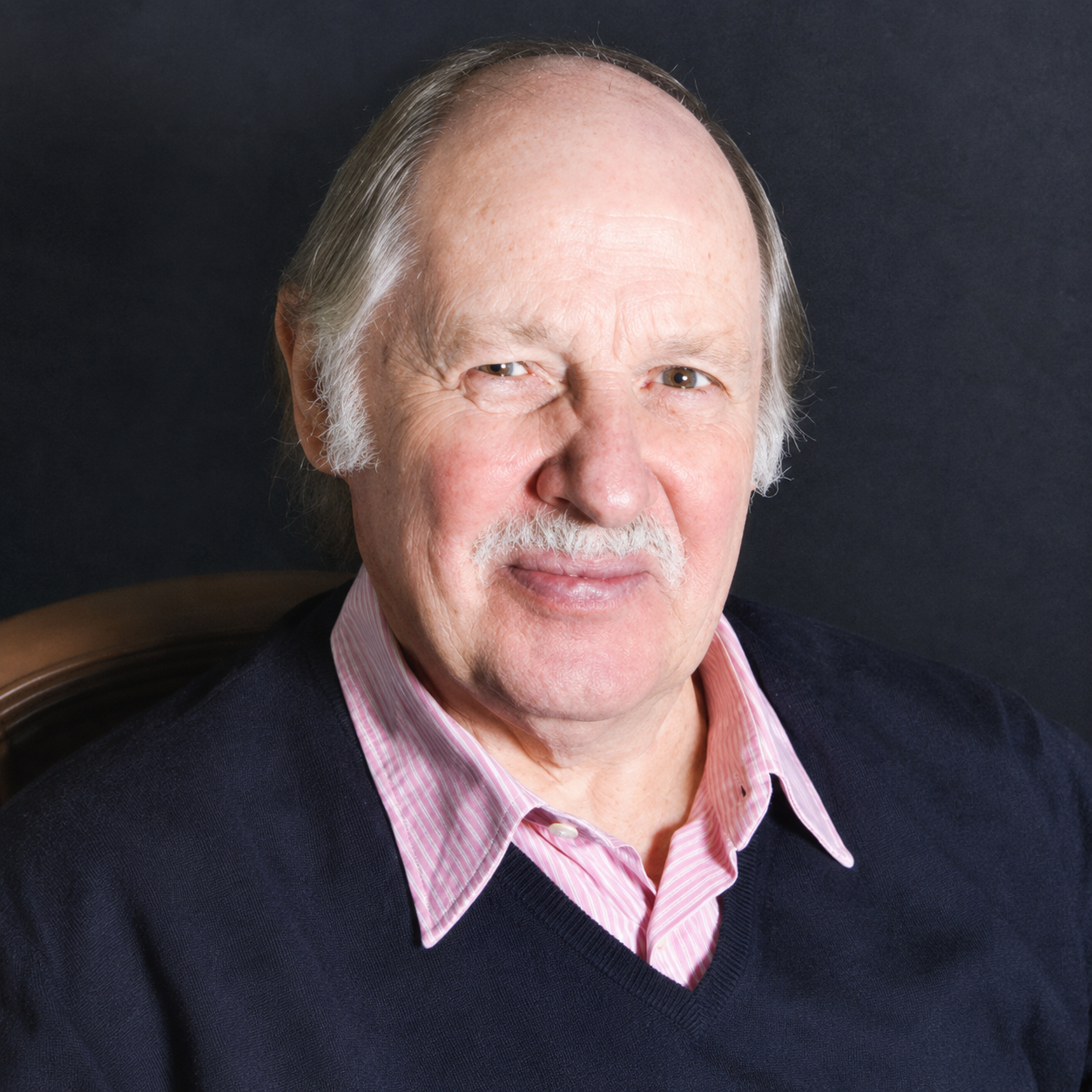
Andy Curtis, Ph.D. Professor: TESOL

Andy Curtis, Ph.D.

Professor: TESOL Dr. Andy Curtis is a TESOL Professor in the Anaheim University Graduate School of Education. From 2015 to 2016, he served as the…
Read More »
Ken Beatty, Ph.D. Professor: TESOL

Ken Beatty, Ph.D.

Professor: TESOL Dr. Ken Beatty is a TESOL Professor in the Anaheim University Graduate School of Education. A specialist in the area of Computer Assisted…

Read More »
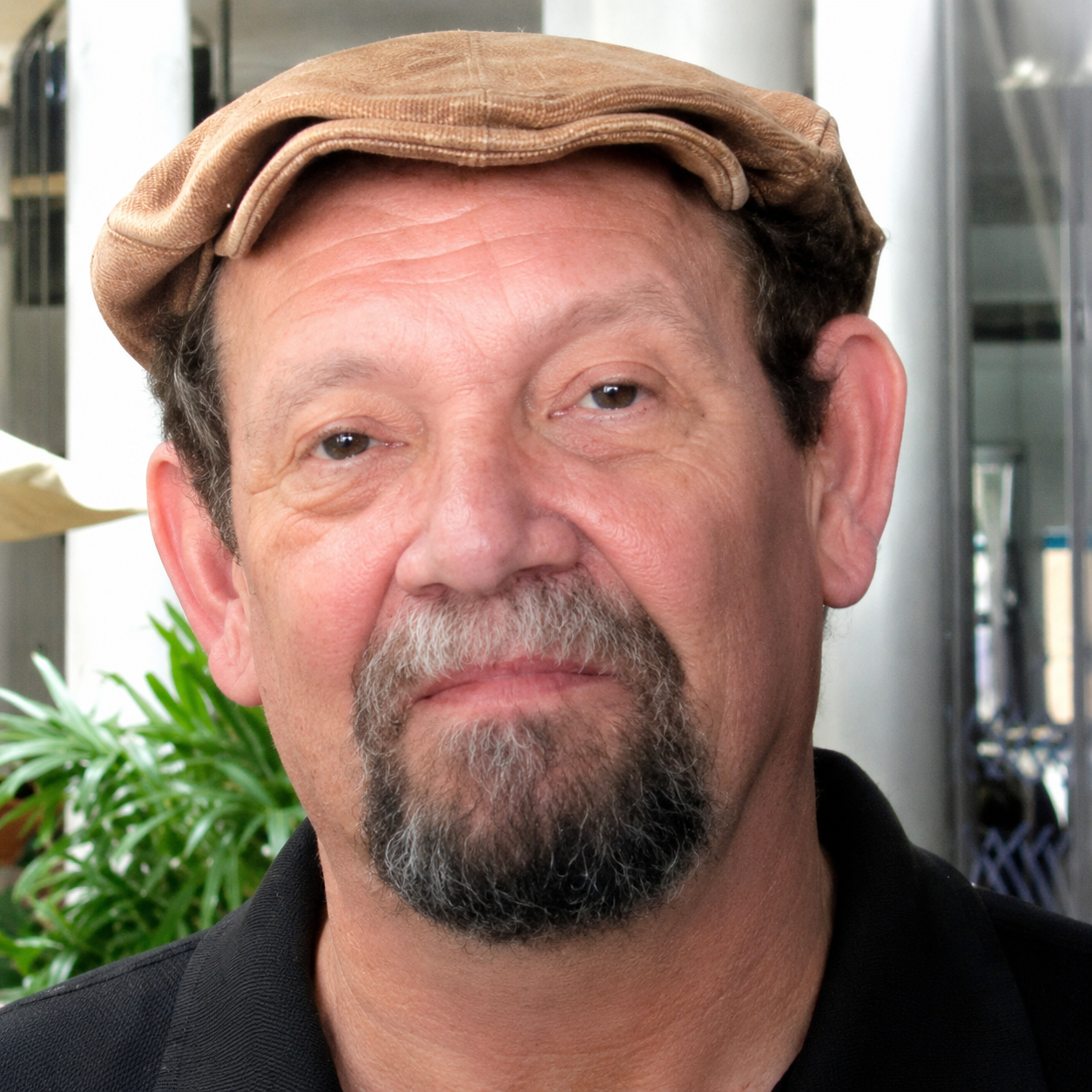
Martha Cummings, Ph.D Professor: TESOL

Martha Cummings, Ph.D

Professor: TESOL Dr. Martha Cummings is a TESOL Professor at Anaheim University. She received her doctorate from Columbia University Teachers College. She has served on…
Read More »
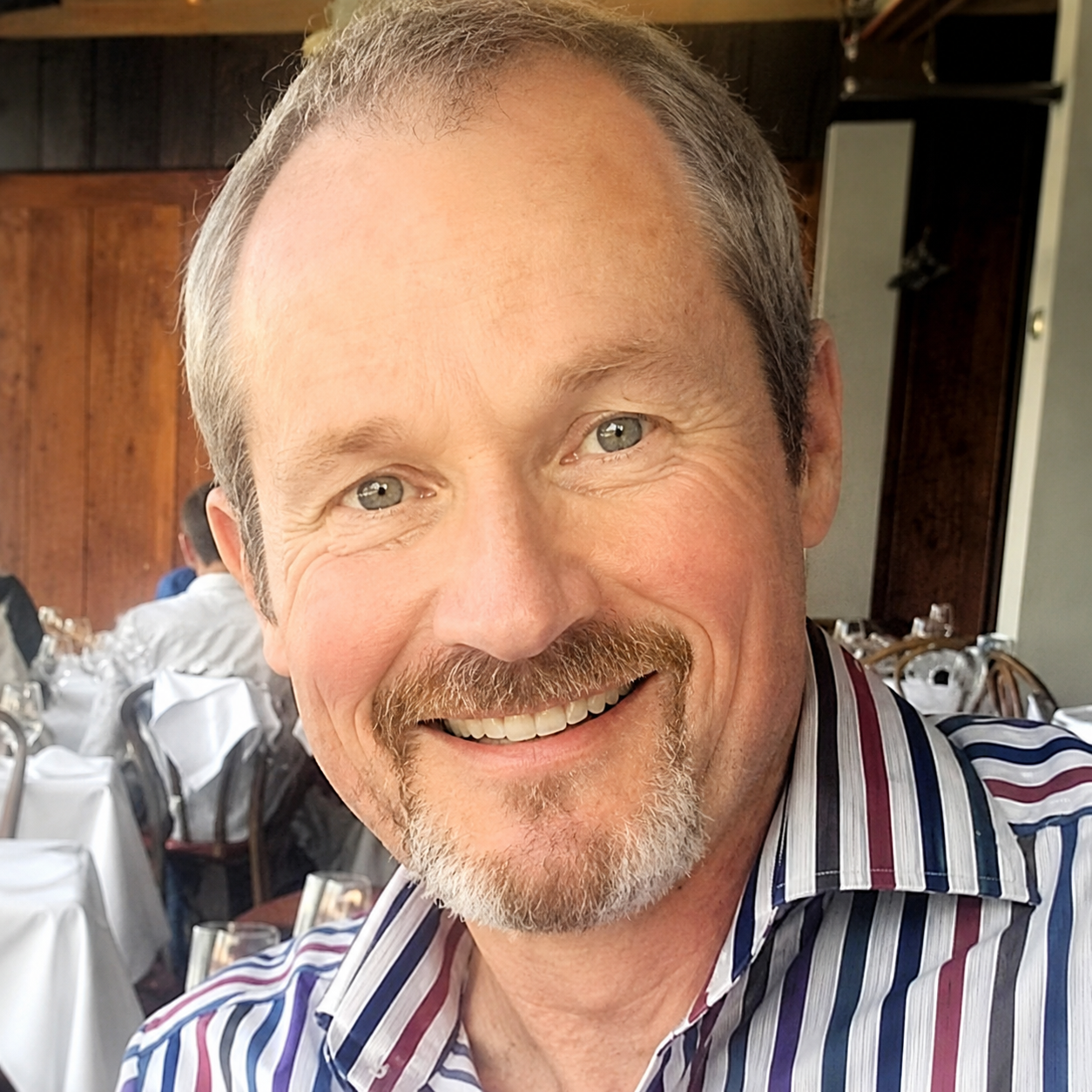
Thom Hudson, Ph.D. Professor: TESOL

Thom Hudson, Ph.D.

Professor: TESOL Dr. Thom Hudson is a TESOL Professor in the Anaheim University Graduate School of Education. He received his BS degree in sociology from…
Read More »
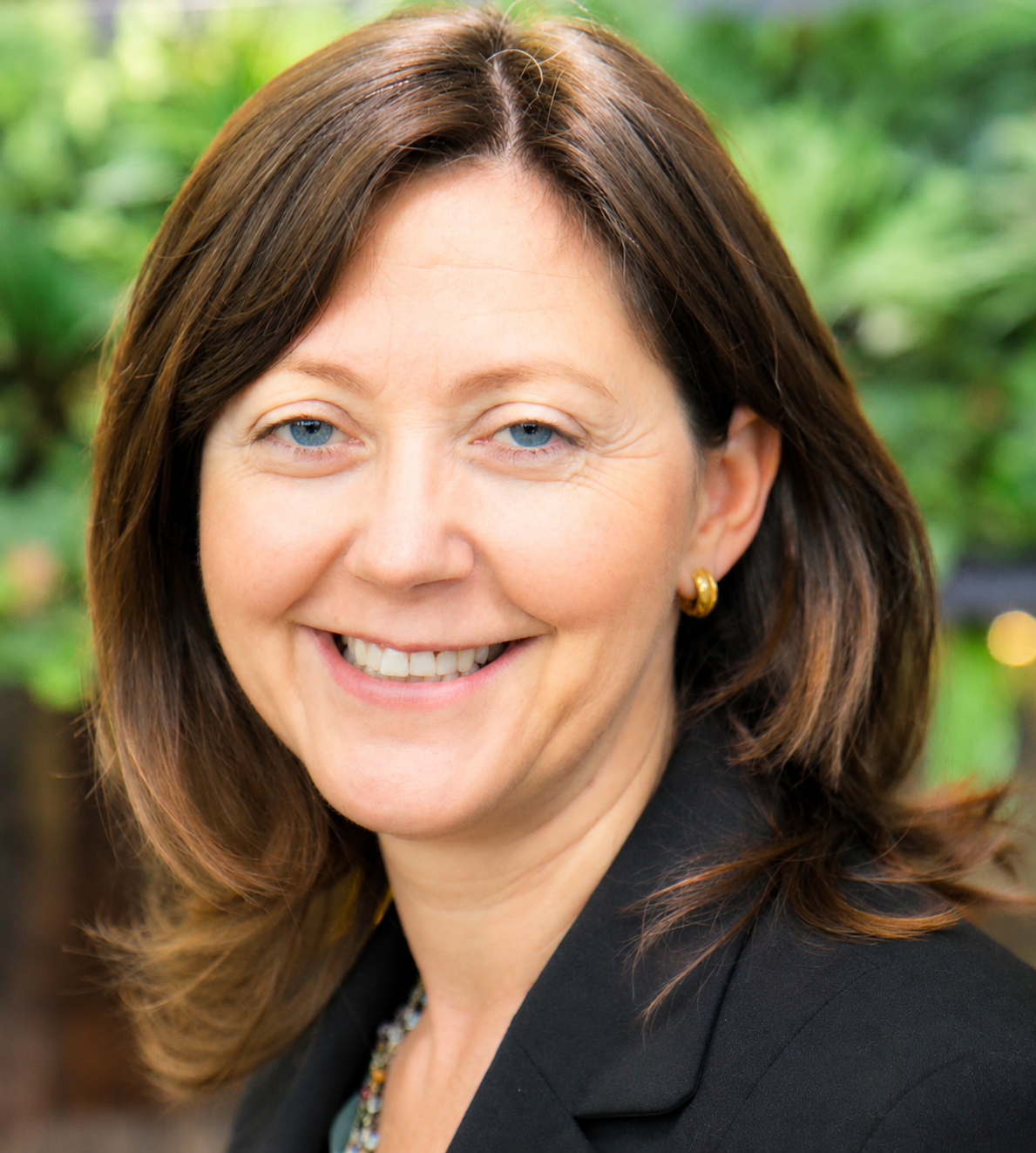
John Macalister, Ph.D. Professor: TESOL

John Macalister, Ph.D.

Professor: TESOL John Macalister is a TESOL Professor at Anaheim University and Head of the School of Linguistics and Applied Language Studies at Victoria University…
Read More »
Jo Mynard, Ph.D Professor: TESOL

Jo Mynard, Ph.D

Professor: TESOL Dr. Jo Mynard is a Professor in the Anaheim University Graduate School of Education, Professor in the English Department, Director of the Self-Access…
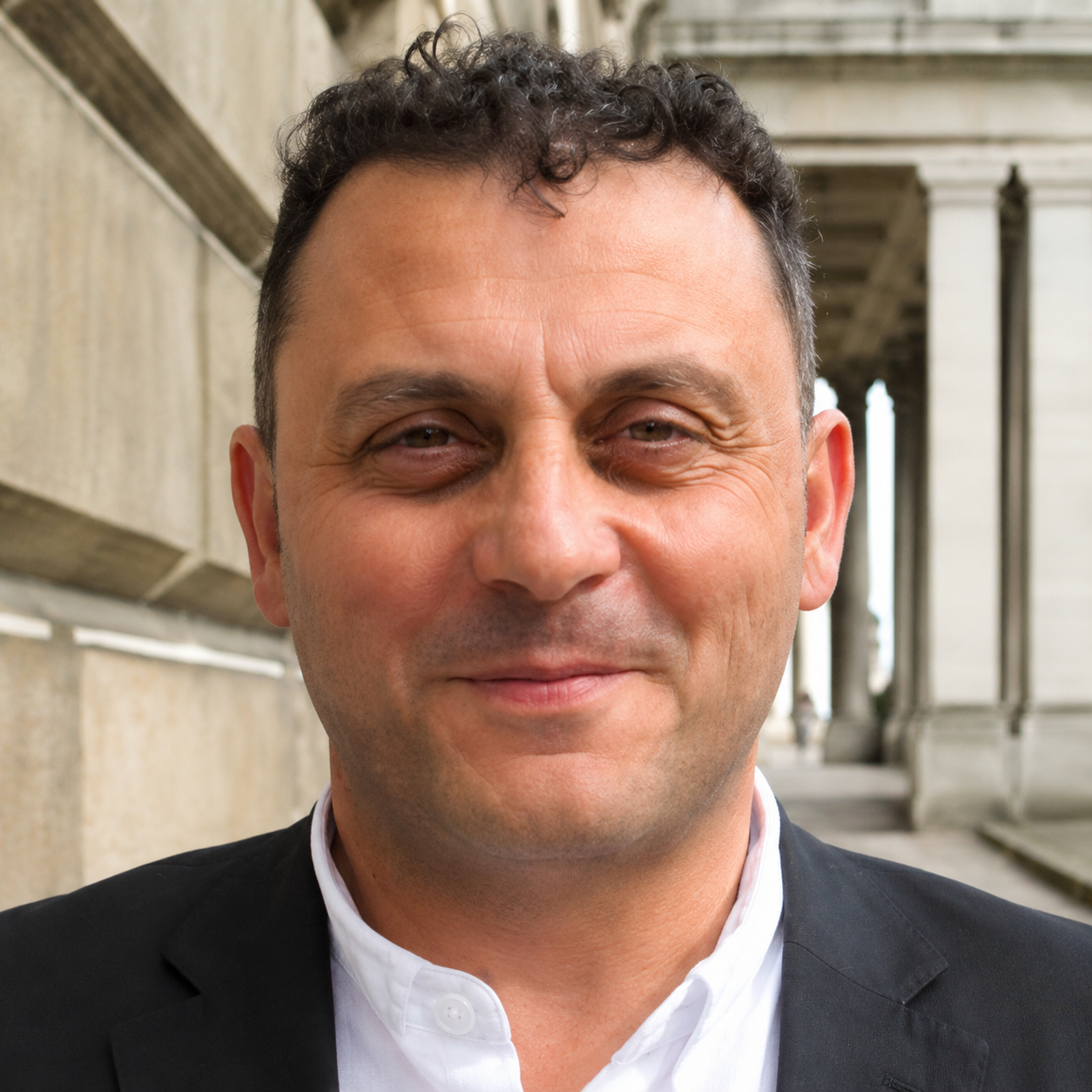
Read More »
Alessandro Benati, Ph.D. Professor: TESOL

Alessandro Benati, Ph.D.

Professor: TESOL Alessandro Benati is a professor at University College Dublin (Ireland). He has held positions in several British and overseas institutions. He is known…
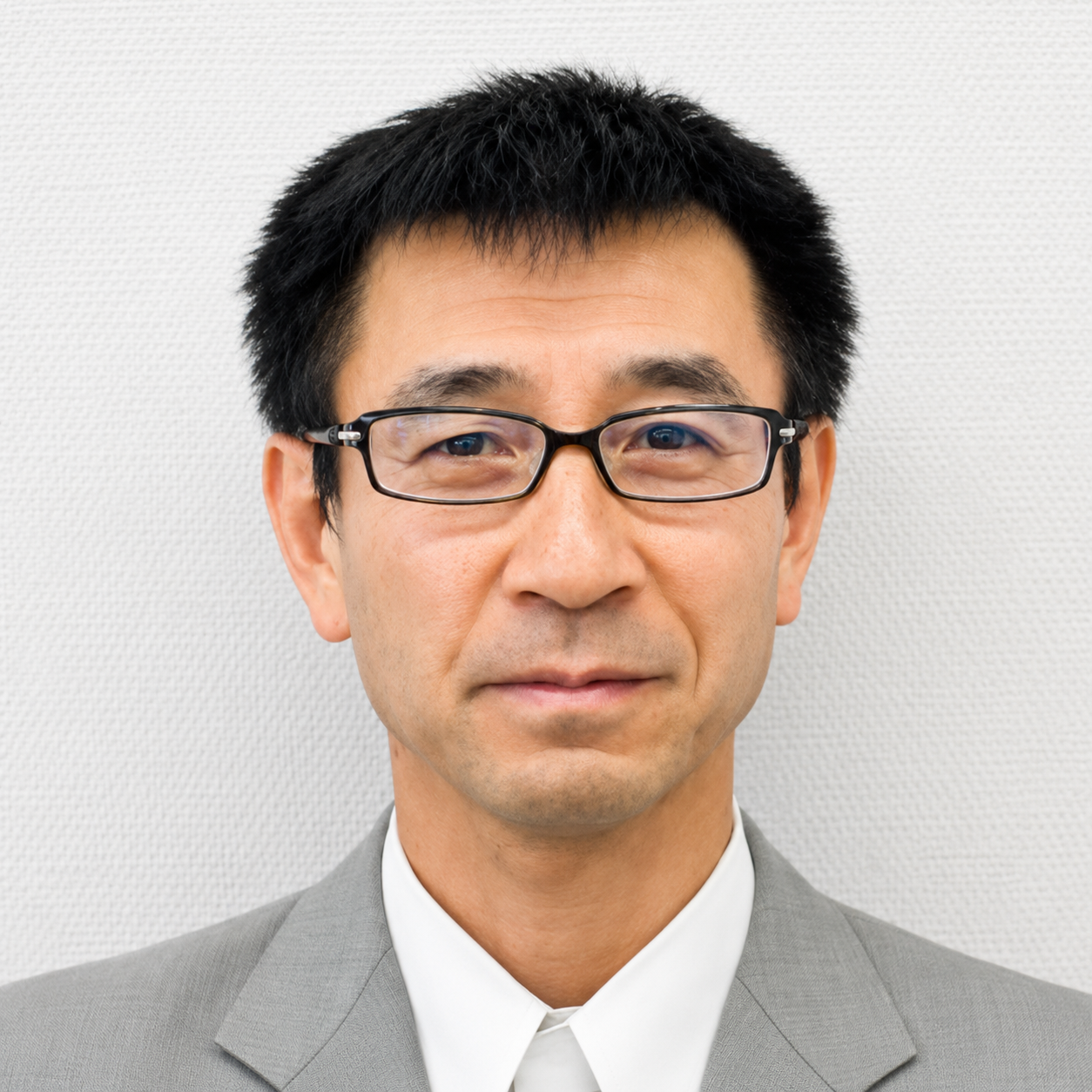
Read More »
Nobuhiro Kamiya, Ph.D. Professor: TESOL

Nobuhiro Kamiya, Ph.D.

Professor: TESOL Dr. Nobuhiro Kamiya is a Professor in the Anaheim University Graduate School of Education and an internationally recognized specialist in second language acquisition…

Read More »

Neal Snape, Ph.D.

Professor: TESOL Dr. Neal Snape is a Professor of TESOL in the Anaheim University Graduate School of Education and a Professor of Language and Linguistics…

Read More »
Casey Keck, Ph.D. Associate Professor: TESOL

Casey Keck, Ph.D.

Associate Professor: TESOL Dr. Casey Keck is a TESOL Associate Professor in the Anaheim University Graduate School of Education and Associate Professor of Linguistics and…

Read More »

Talia Isaacs, Ph.D.

Associate Professor: TESOL Dr. Talia Isaacs is a TESOL Associate Professor in the Anaheim University Graduate School of Education. She holds a Ph.D. in Second…
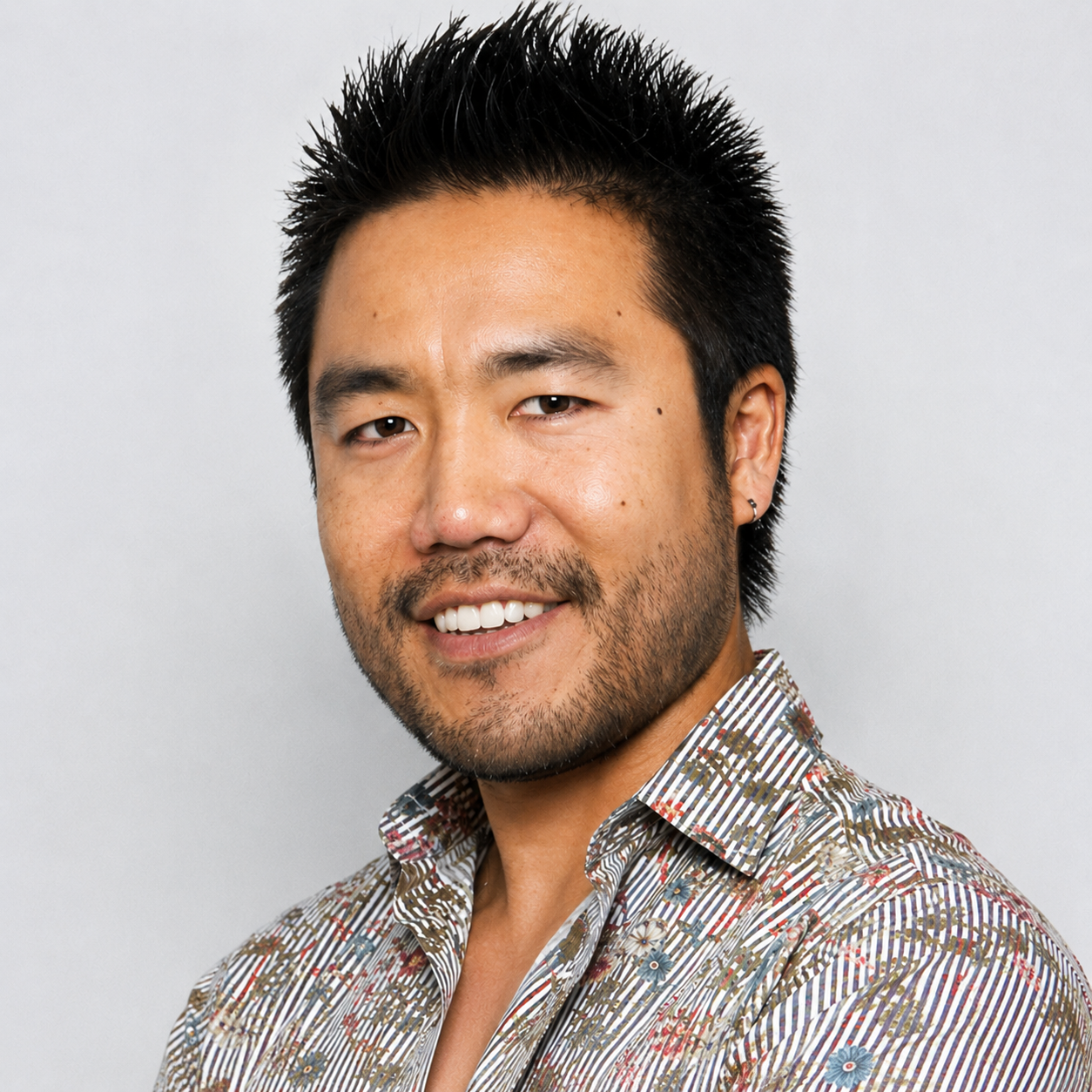
Read More »
Masatoshi Sato, Ph.D. Associate Professor: TESOL

Masatoshi Sato, Ph.D.

Associate Professor: TESOL Dr. Masatoshi Sato is a TESOL Associate Professor in the Anaheim University Graduate School of Education. Dr. Sato earned his Ph.D. in…
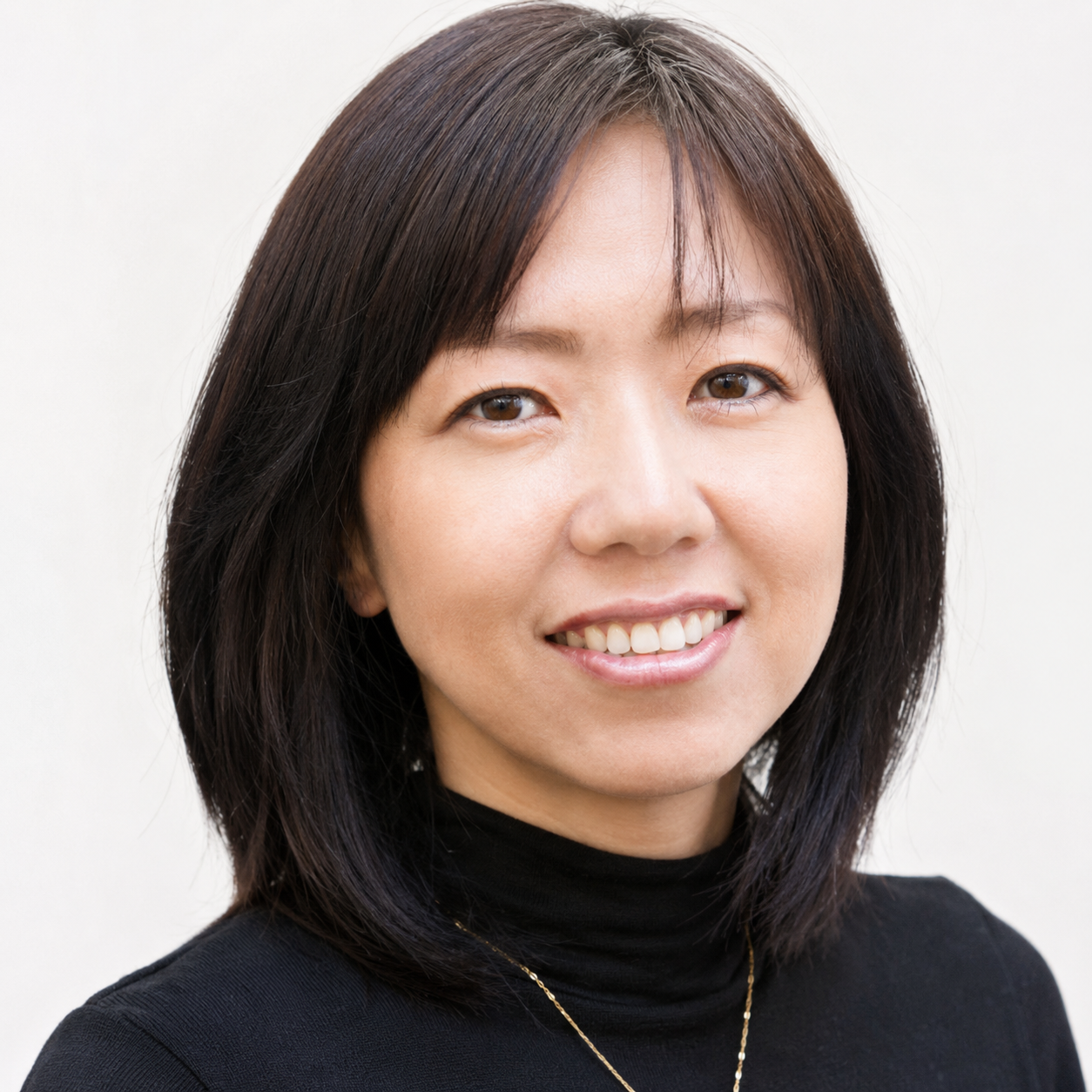
Read More »
Natsuko Shintani, Ph.D. Associate Professor: TESOL

Natsuko Shintani, Ph.D.

Associate Professor: TESOL Dr. Natsuko Shintani is a TESOL Associate Professor in the Anaheim University Graduate School of Education. She obtained her Ph.D. from the…
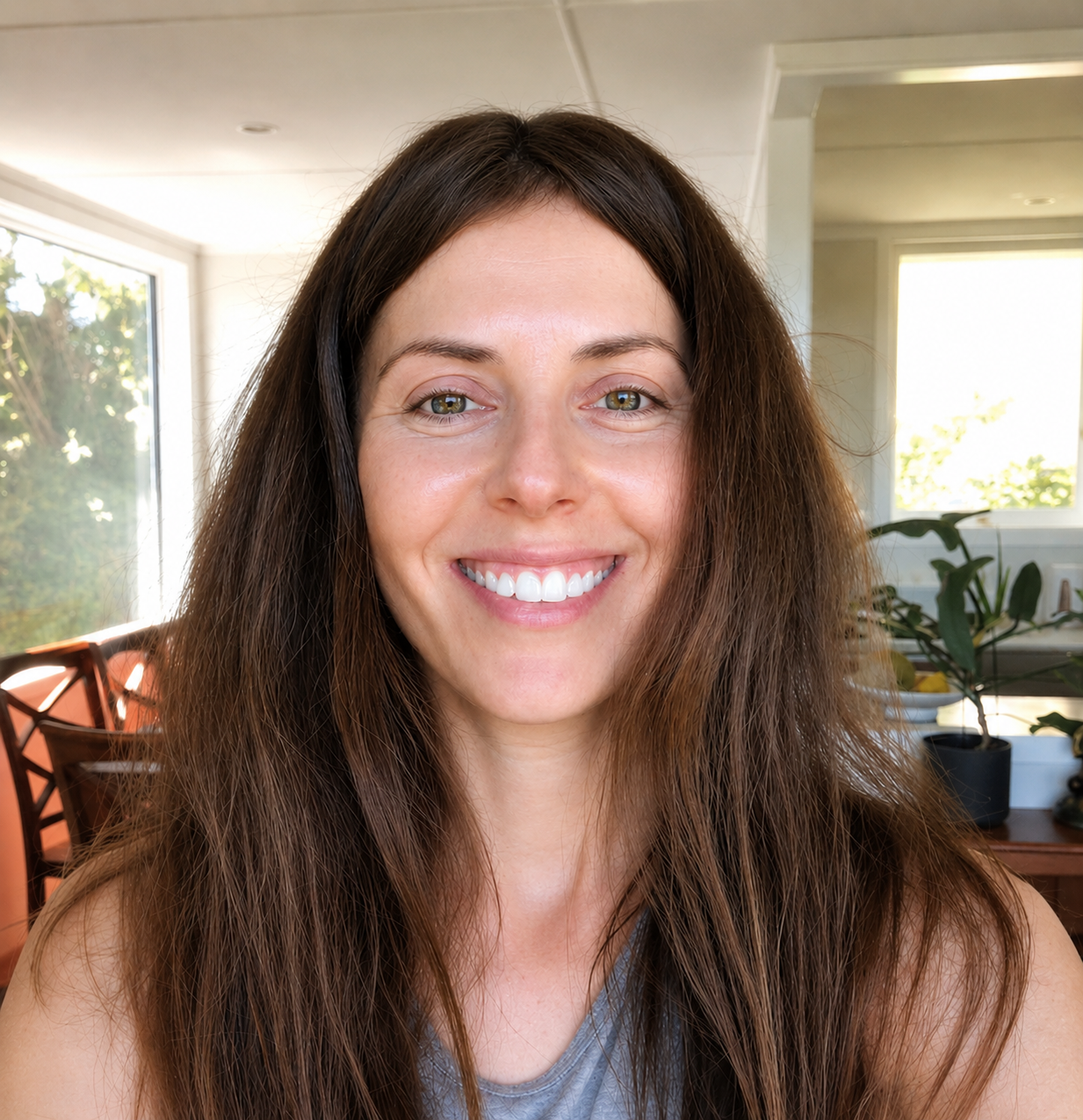
Read More »
Anna Siyanova, Ph.D. Associate Professor: TESOL

Anna Siyanova, Ph.D.

Associate Professor: TESOL Dr. Anna Siyanova is an Associate Professor in the Anaheim University Graduate School of Education and an internationally recognized scholar in applied…

Read More »
Scott Aubrey, Ph.D. Assistant Professor: TESOL

Scott Aubrey, Ph.D.

Assistant Professor: TESOL Dr. Scott Aubrey is a TESOL Assistant Professor in the Anaheim University Graduate School of Education. Scott Aubrey received his Ph.D. in…
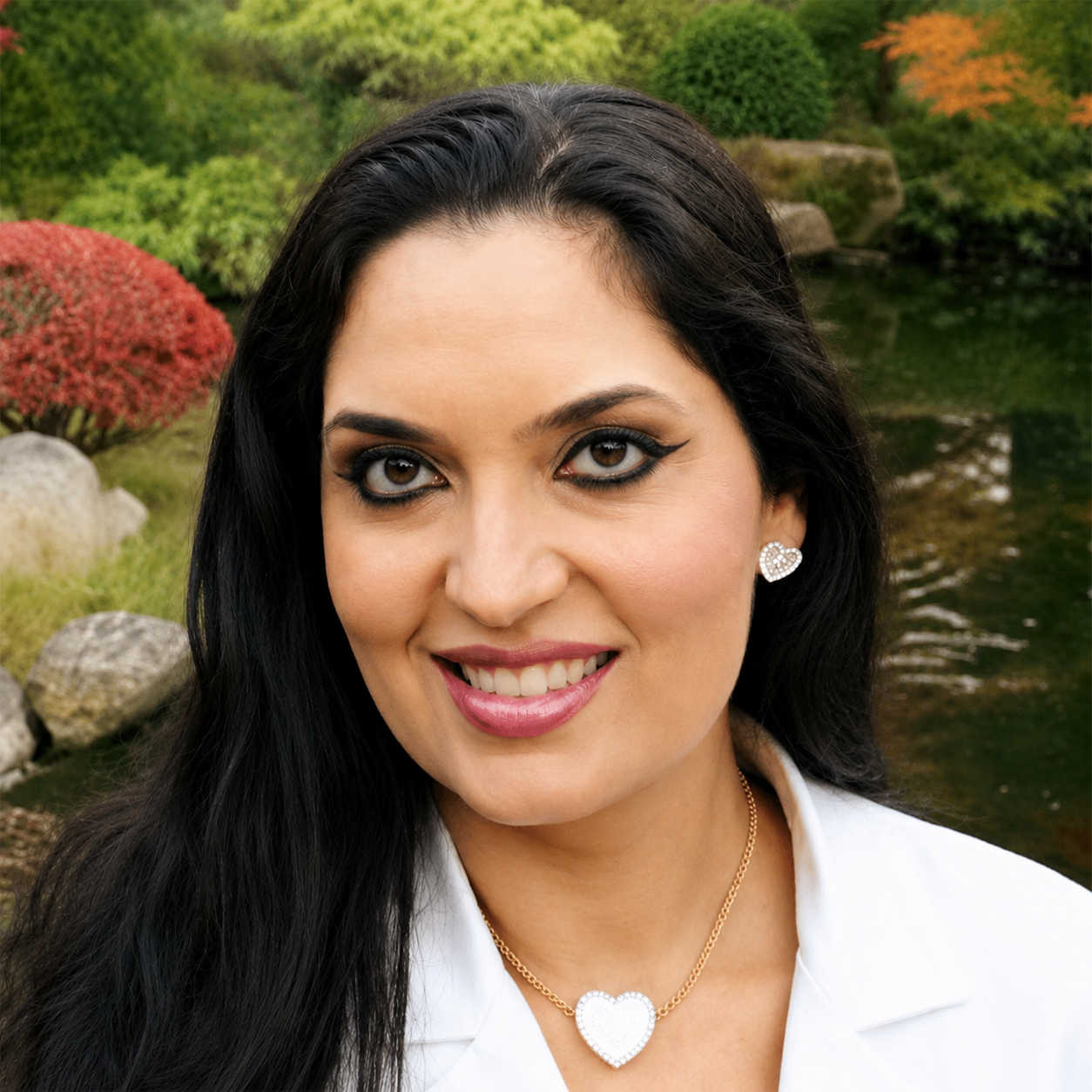
Read More »
Stephen Ryan, Ph.D. Assistant Professor: TESOL

Stephen Ryan, Ph.D.

Assistant Professor: TESOL Dr. Stephen Ryan is a TESOL Assistant Professor in the Anaheim University Graduate School of Education and a professor in the School…

Read More »
Program tabs – CSS + JS (v1.3). Keep this widget on the page; visitors never see it.