
Sustainable Management
June 24, 2023 2026-09-18 7:59Sustainable Management
Online Sustainable Management Programs
Sustainable management examines how organizations create long-term value while responding to environmental, social, and economic pressures. It brings together business strategy, leadership, ethics, operations, and responsible decision-making, helping professionals understand how sustainability can be built into the way organizations are managed.
Four online programs provide a progression from focused graduate study through the MBA and DBA. Students can begin by applying sustainability principles within their current role, move into broader business study with sustainability at its core, or progress to advanced research on organizational change, accountability, and long-term performance.
Explore Our Sustainable Management Programs
Doctoral degree
Doctor of Business Administration in Sustainable Management
Explore sustainability, strategic management, and long-term organizational value through advanced business research.
- Duration
- About 3 years, in six-week courses
- Tuition
- $37,465 · $1,500 per course
- Next start
- Every six weeks
- Format
- Two 90-minute live seminars per course
- Credits
- 60 credit hours beyond an MBA
- Structure
- 15 courses plus a four-term dissertation, across 20 terms
Master’s degree
Master of Business Administration in Global Sustainable Management
Combine core business study with advanced knowledge of sustainability, responsible management, and global strategy.
- Duration
- About 18 months, in six-week courses
- Tuition
- $18,395 · $1,125 per course
- Next start
- Every six weeks
- Format
- Two 90-minute live seminars per course
- Credits
- 36 units
- Structure
- 12 courses, ending with the Sustainable Management Capstone
Graduate diploma
Graduate Diploma in Sustainable Management
Build broader knowledge of sustainability, responsible business, and contemporary management practice.
- Duration
- About 9 months, in six-week courses
- Tuition
- $8,525 · $1,125 per course
- Next start
- Every six weeks
- Format
- Two 90-minute live classes per course
- Credits
- 18 units
- Structure
- Four required sustainability courses plus two electives
Graduate certificate
Graduate Certificate in Sustainable Management
Explore sustainability, responsible business, and its role in modern management and decision-making.
- Duration
- About 18 weeks, in six-week courses
- Tuition
- $4,350 · $1,125 per course
- Next start
- Every six weeks
- Format
- Two 90-minute live classes per course
- Credits
- 9 units
- Structure
- Three sustainability courses
Compare Sustainable Management Programs
Swipe to see tuition →
| Program | Level | Duration | Credits | Entry requirement | Tuition |
|---|---|---|---|---|---|
| DBA in Sustainable Management | Doctoral | About 3 years | 60 credit hours | A completed MBA; a 3.0 GPA maintained to graduate | $37,465 |
| MBA in Global Sustainable Management | Master’s | About 18 months | 36 units | A 3.0 GPA maintained to graduate | $18,395 |
| Graduate Diploma in Sustainable Management | Graduate Diploma | About 9 months | 18 units | A 3.0 GPA maintained to graduate | $8,525 |
| Graduate Certificate in Sustainable Management | Graduate Certificate | About 18 weeks | 9 units | A 3.0 GPA maintained to graduate | $4,350 |
C40
Clinton Foundation workshops run by the director of the Kisho Kurokawa Green Institute
Columbia
MBA behind the professor who teaches across the business school and the institutes
99%
student satisfaction rate, 2025 program average
Accredited
by the Distance Education Accrediting Commission, recognized by the U.S. Department of Education and CHEA
Meet Our Faculty
Learn from experienced academics and professionals who bring subject expertise, research, and real-world perspective into the classroom.
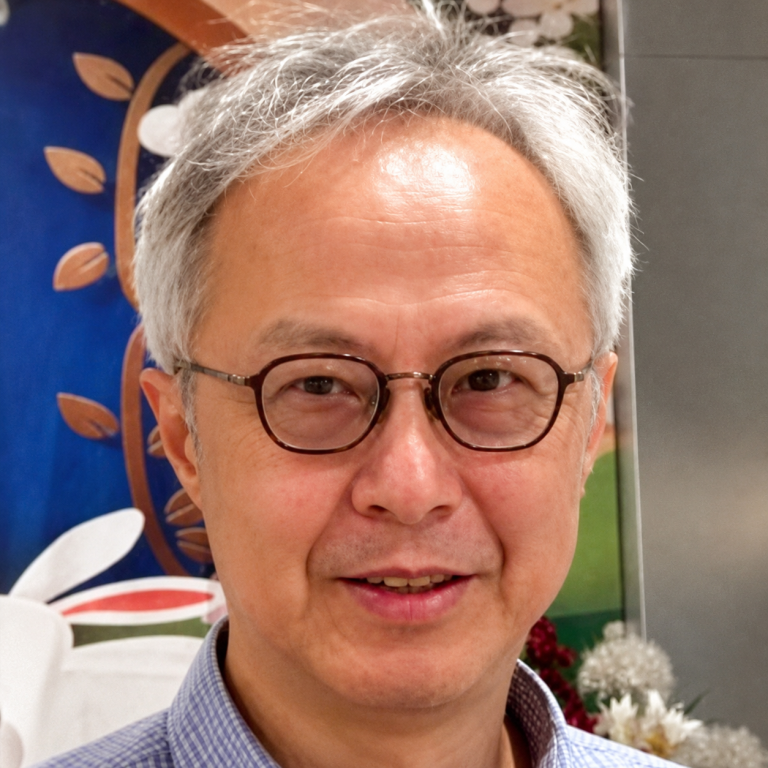
Kwok Shum
Teaches on the doctoral and Green MBA programs, and has run Clinton Foundation C40 workshops.

Tamara Myatt, Ph.D.
Former Executive Director of Goldman Sachs 10,000 Women in Afghanistan. Ph.D. in Human and Organizational Systems, Fielding Graduate University.
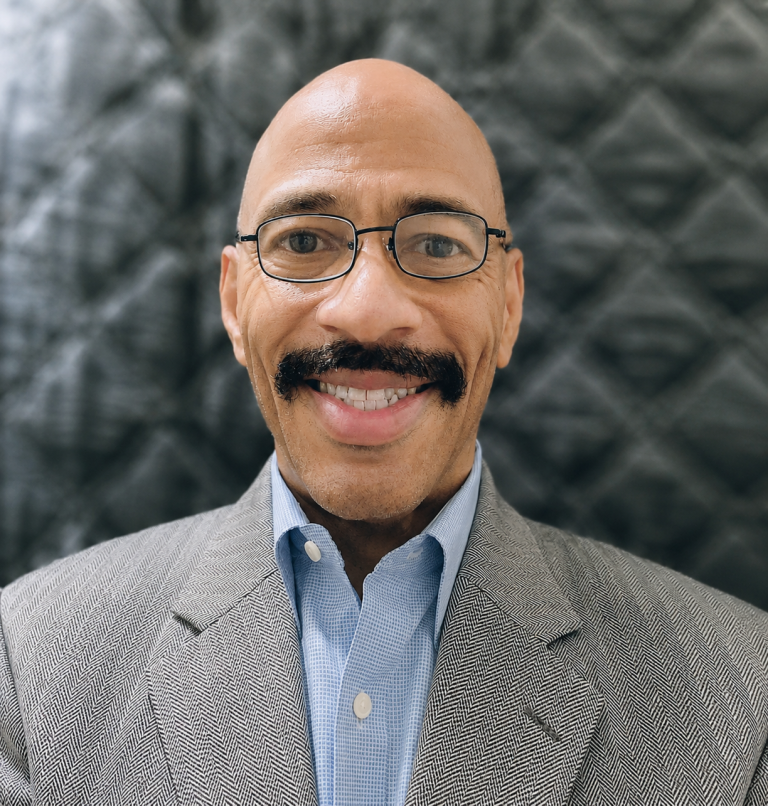
Vince Carter, Ph.D.
Professor at the Akio Morita School of Business and the Kisho Kurokawa Green Institute.

Chris Raymond, Ph.D.
Ph.D. in economics, University of California, Santa Barbara, followed by an international MBA.
Frequently asked questions
What is the triple bottom line?
It is the idea that an organisation should be measured on three results rather than one: financial, environmental and social. It runs through all four programs, and triple bottom line accountability is one of the four required courses in the Graduate Diploma. Most of the practical difficulty in sustainable management lies in deciding what to do when the three measures point in different directions, which is what the coursework works on.
How is the Green MBA different from a general MBA?
It covers the same core business functions — you finish with a full MBA, not a narrower qualification. What differs is that sustainability runs through the program rather than sitting in one elective: triple bottom line accountability, green marketing and corporate social responsibility are part of the required material, and the degree ends with the Sustainable Management Capstone.
Do I need a business background to start?
The Graduate Certificate is the shortest entry point and is designed for people bringing sustainability into a role they already hold. The DBA requires a completed MBA. For the certificate, diploma and MBA, send your transcripts to admissions and they will tell you what applies to your background.
What kind of jobs does this lead to?
Graduates work on sustainability in strategy, reporting and disclosure, operations and supply chains, marketing, and policy. Some move into dedicated sustainability functions; many apply the discipline inside a role they already hold, which is what the shorter qualifications are designed for.
Do I need an MBA to take the DBA?
Yes. The Doctor of Business Administration in Sustainable Management is 60 credit hours beyond a completed MBA, and a 3.0 GPA must be maintained through to graduation. If you hold a different master’s degree, ask admissions how it is assessed.
How long does each program take?
The Graduate Certificate takes about 18 weeks and the Graduate Diploma about nine months. The Green MBA takes about 18 months, with a maximum of three years from matriculation. The DBA takes about three years, with a maximum of five.
When are the live classes held?
They are scheduled around an international cohort. For the Graduate Certificate they usually fall on Friday evening United States time, which is Saturday morning across much of Asia. Each course includes two live sessions; in the Graduate Diploma they fall at the end of weeks one and four.
Are classes live, or recorded?
Live. Every six-week course includes two live online sessions led by faculty, rather than recorded lectures worked through alone.
Do I have to travel to the United States?
No. All four programs are delivered entirely online, with no residency requirement and no need to relocate.
Are the programs accredited?
Anaheim University is accredited by the Distance Education Accrediting Commission (DEAC). The DEAC is recognized by the Council for Higher Education Accreditation (CHEA) and is listed by the U.S. Department of Education as a recognized accrediting agency. Accreditation is institutional, covering the university and the programs it offers.
What do the programs cost, and is financial aid available?
Tuition is charged course by course rather than as a single fee, so the cost is spread across your studies, and current figures for each program are published in its catalog. Anaheim University does not participate in federal or state financial aid programs, so US federal loans and grants are not available.
When can I start?
A new term begins every six weeks, so there are several entry points across the year rather than a single annual intake.
Can I study if English is not my first language?
Yes. The programs ask for evidence of English proficiency — typically TOEFL 530 paper-based or 71 internet-based and IELTS 6.5. Each catalog lists the tests and scores it accepts.
Explore Other Subjects
Explore six subject areas and discover the schools and institutes that offer programs in each field.
